






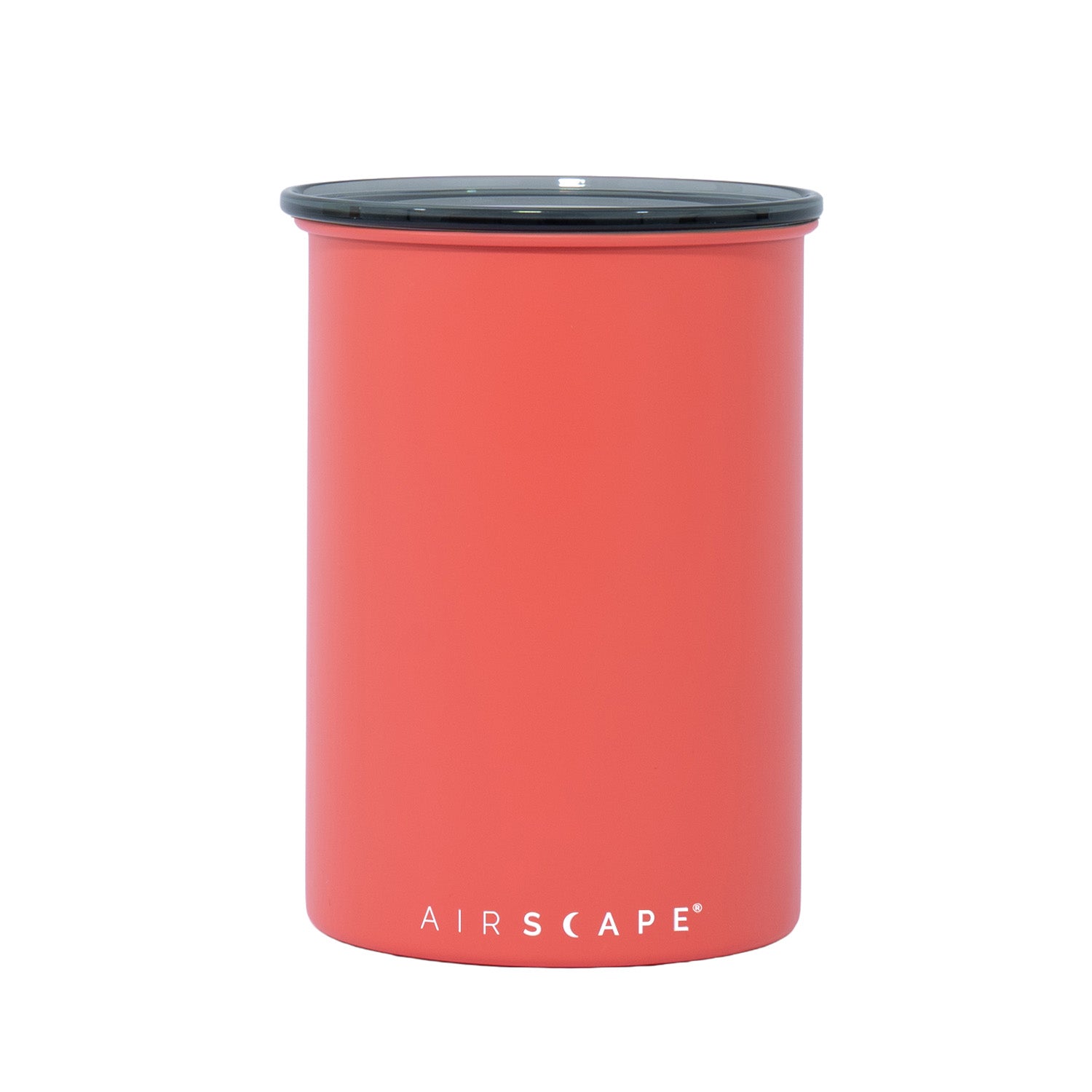
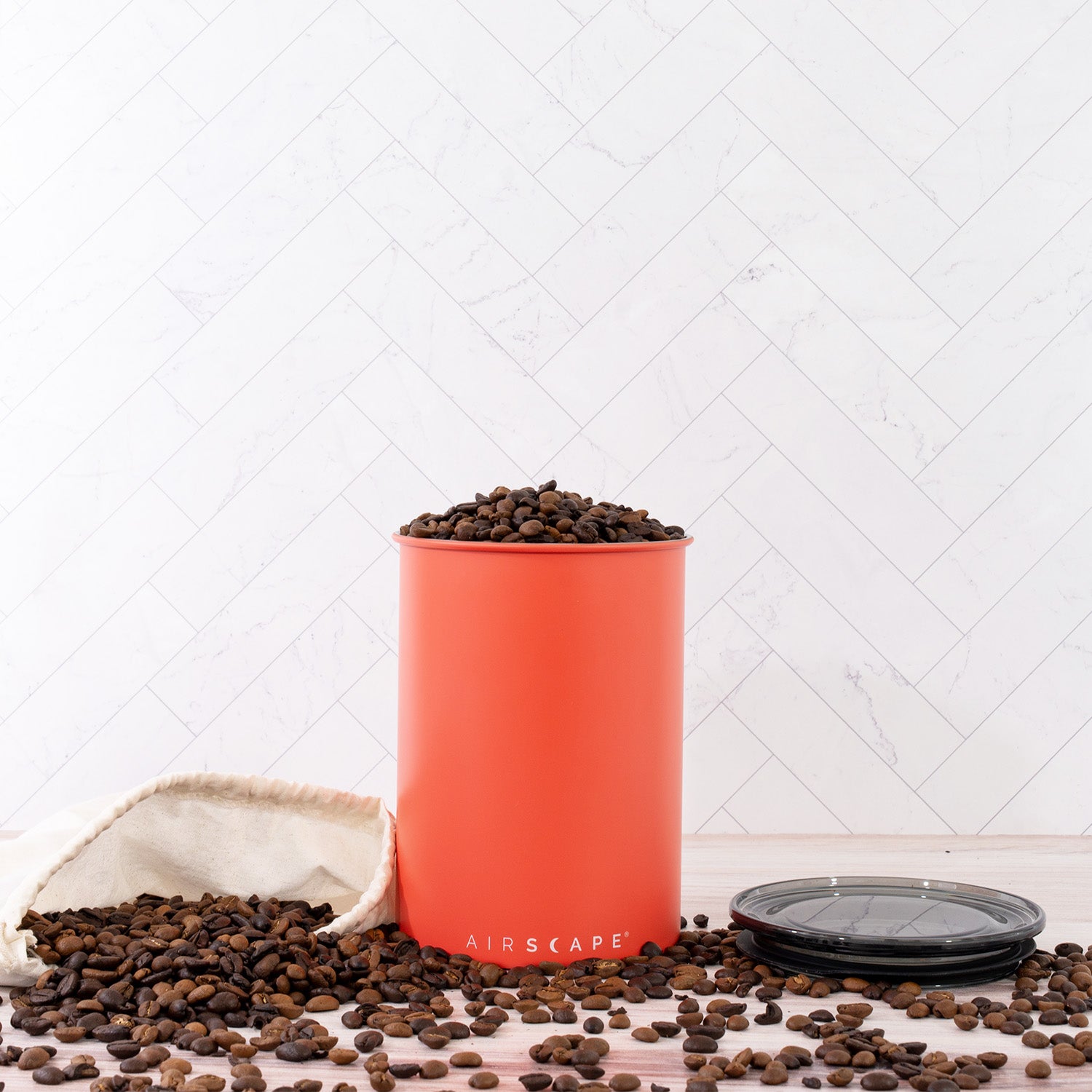
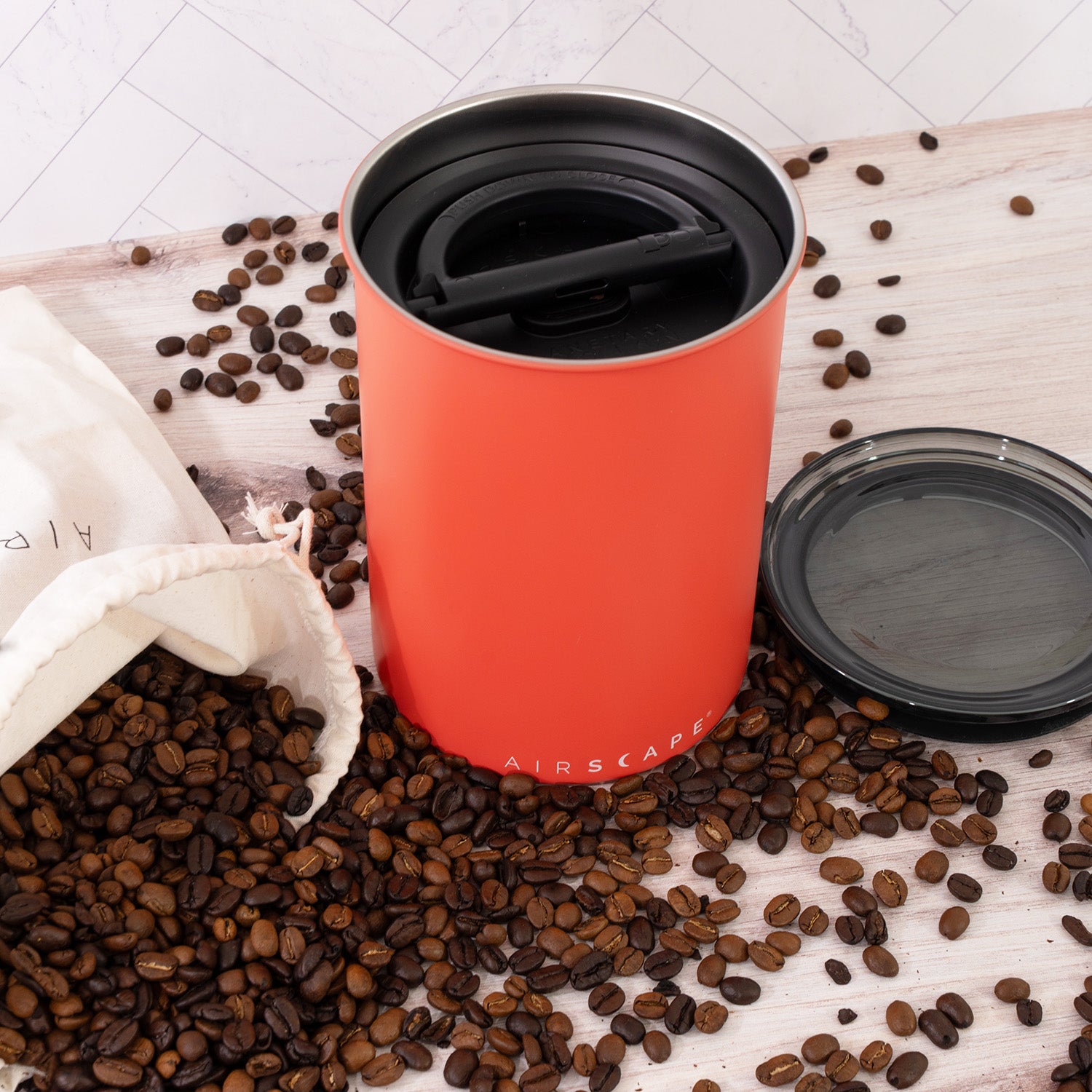
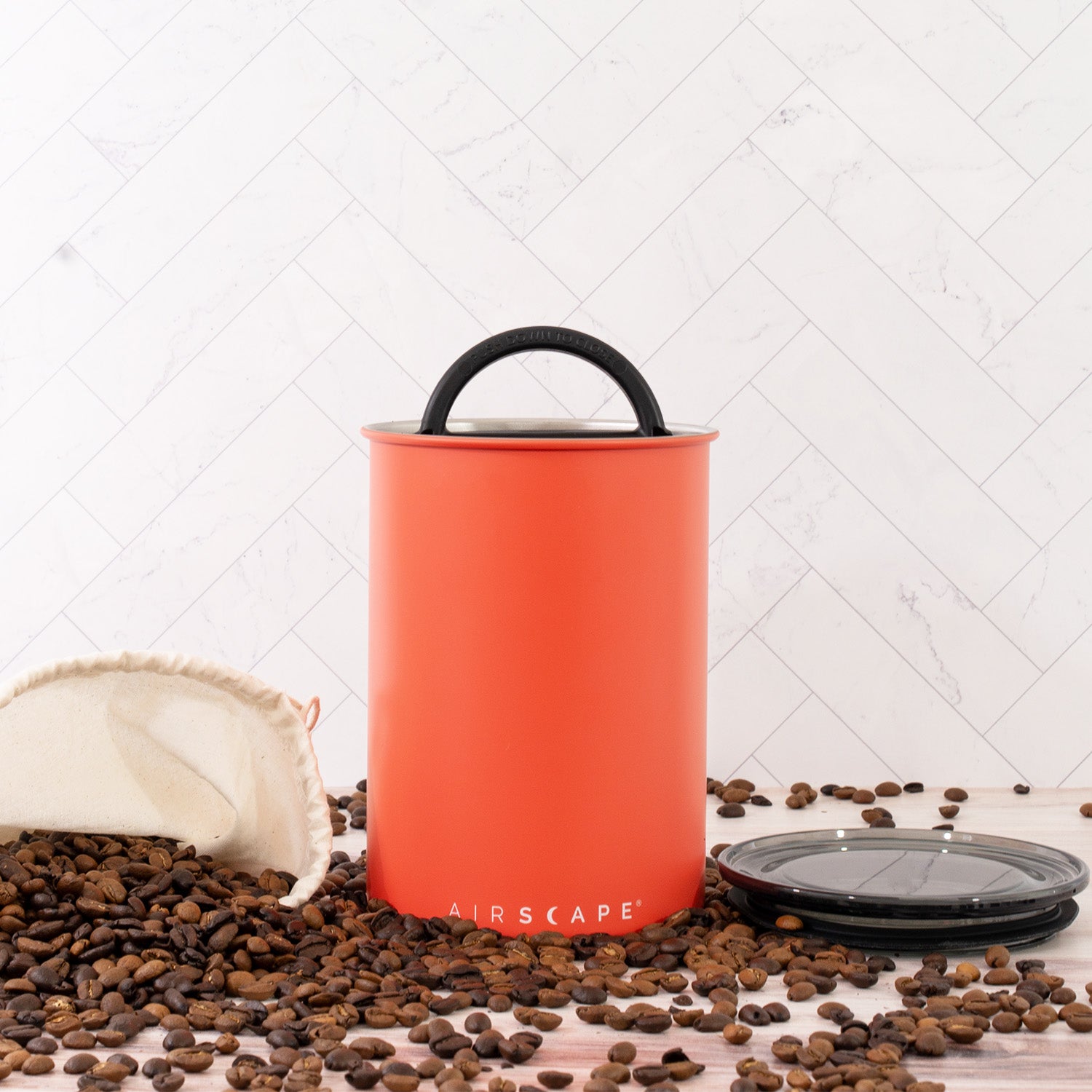
Airscape® Classic Coffee Canister
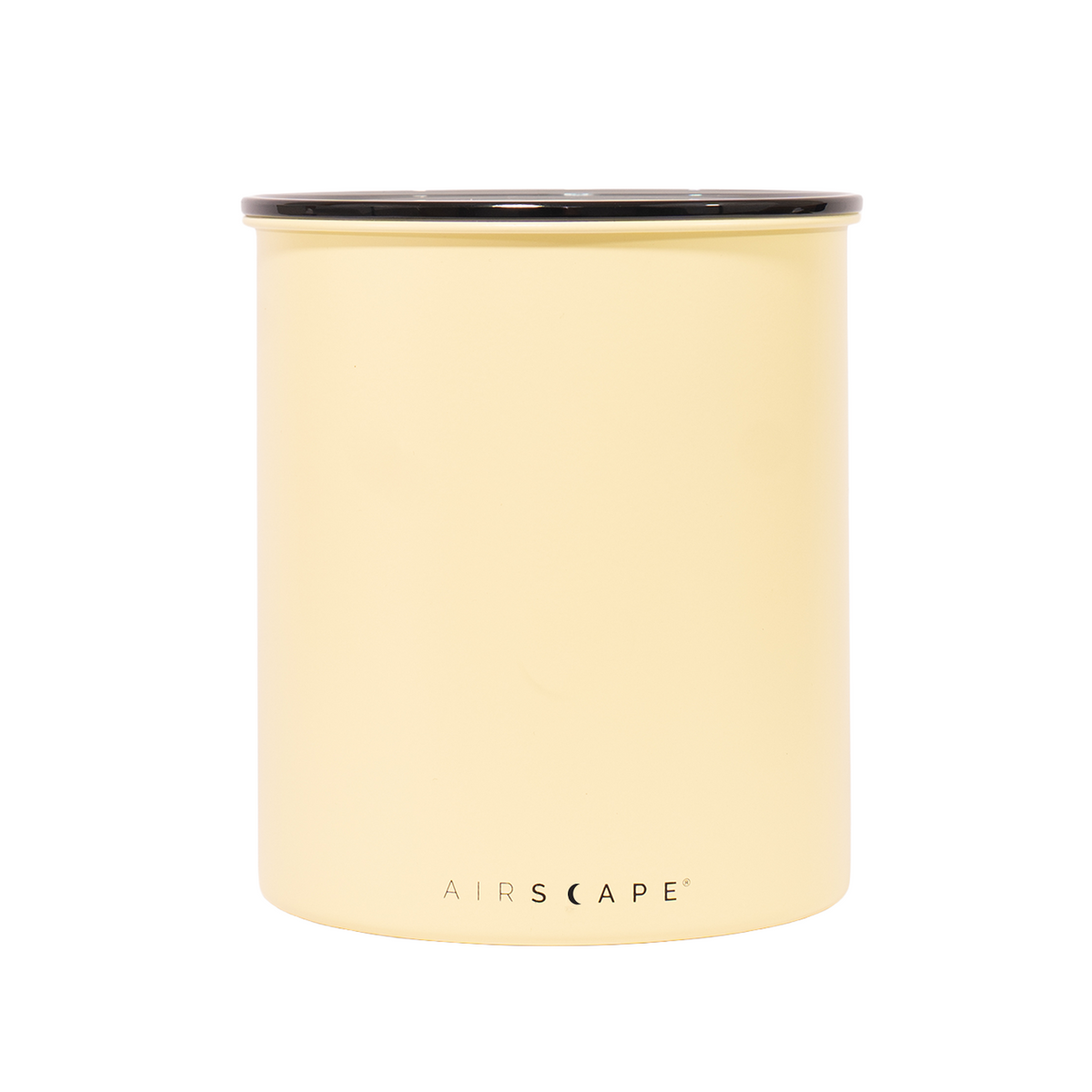
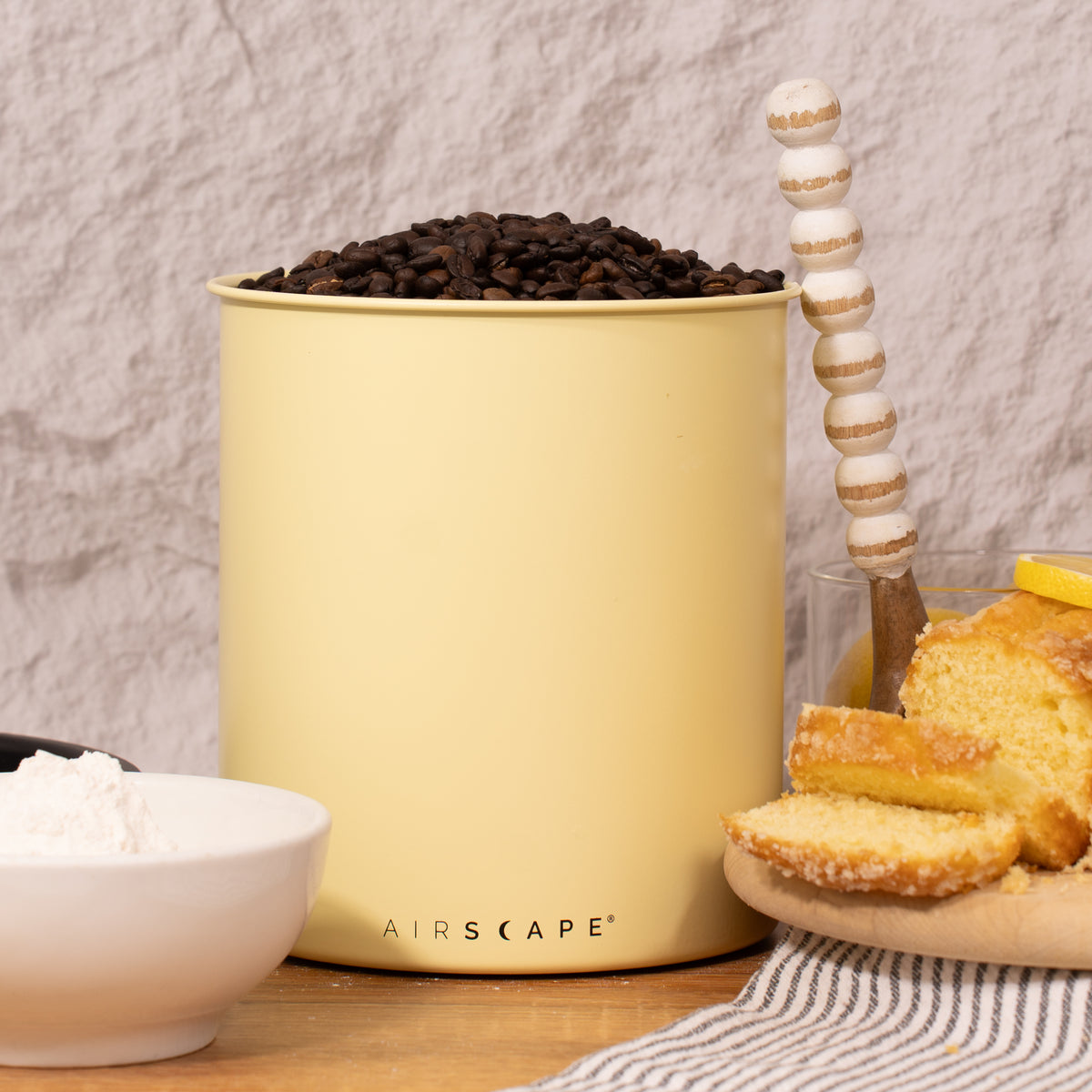
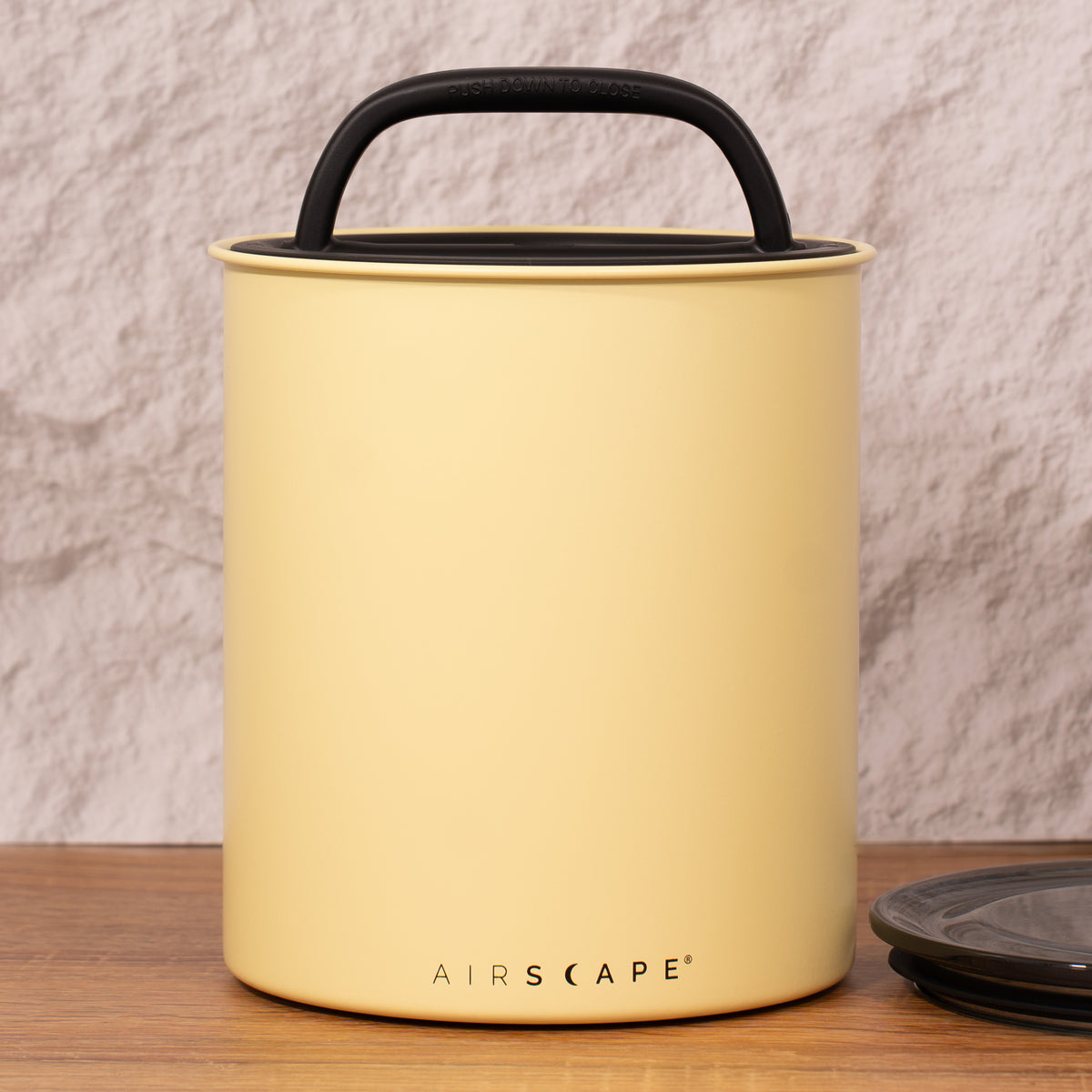
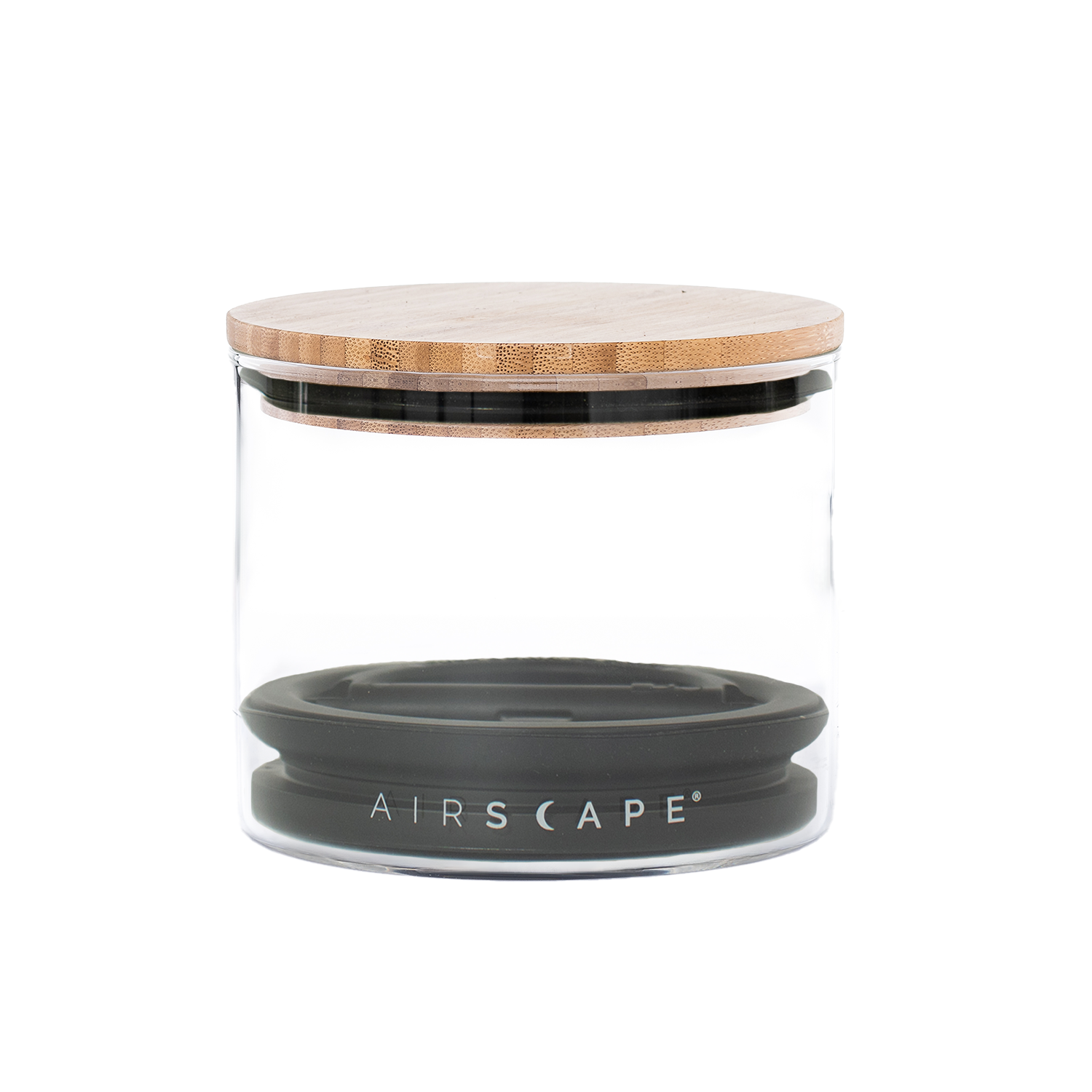
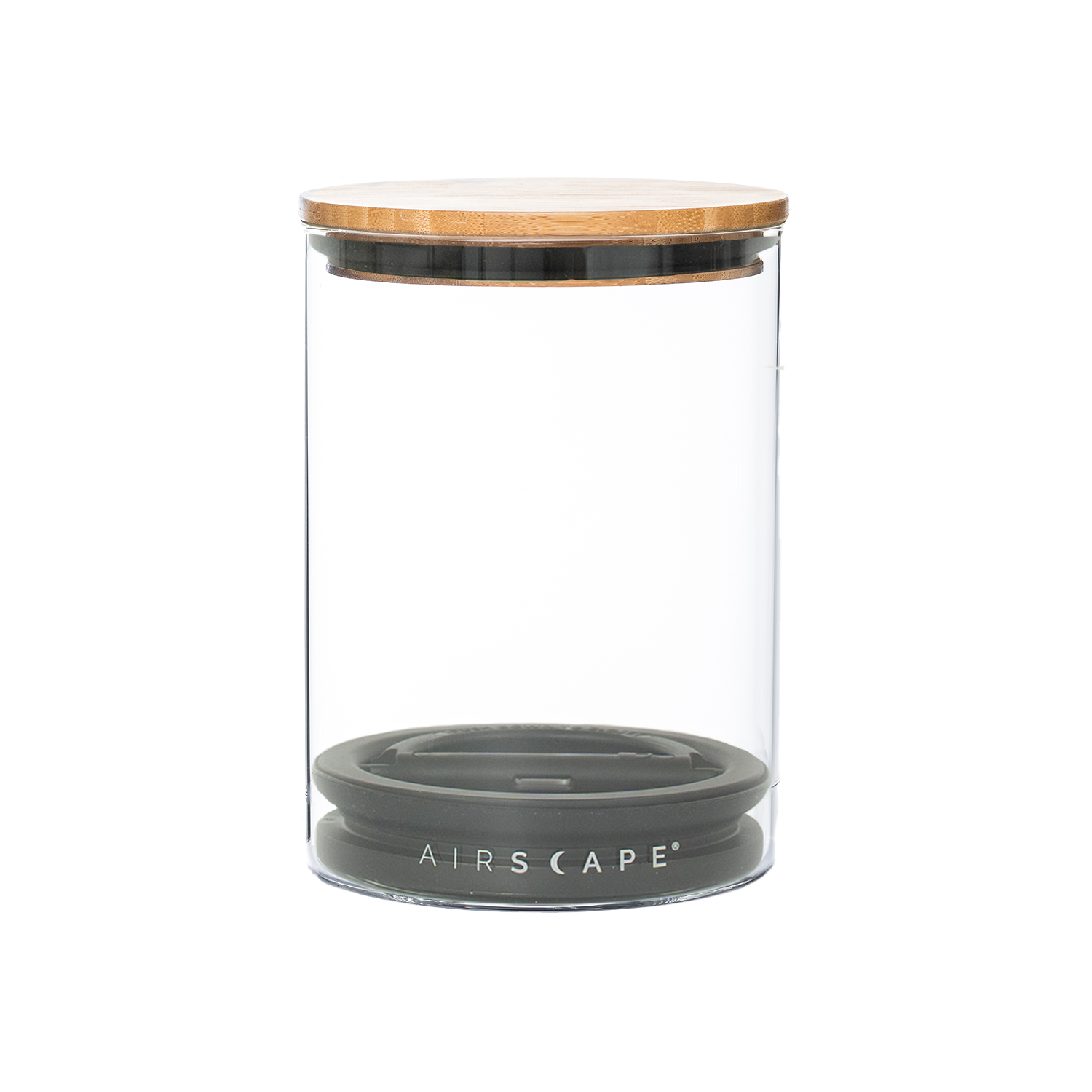
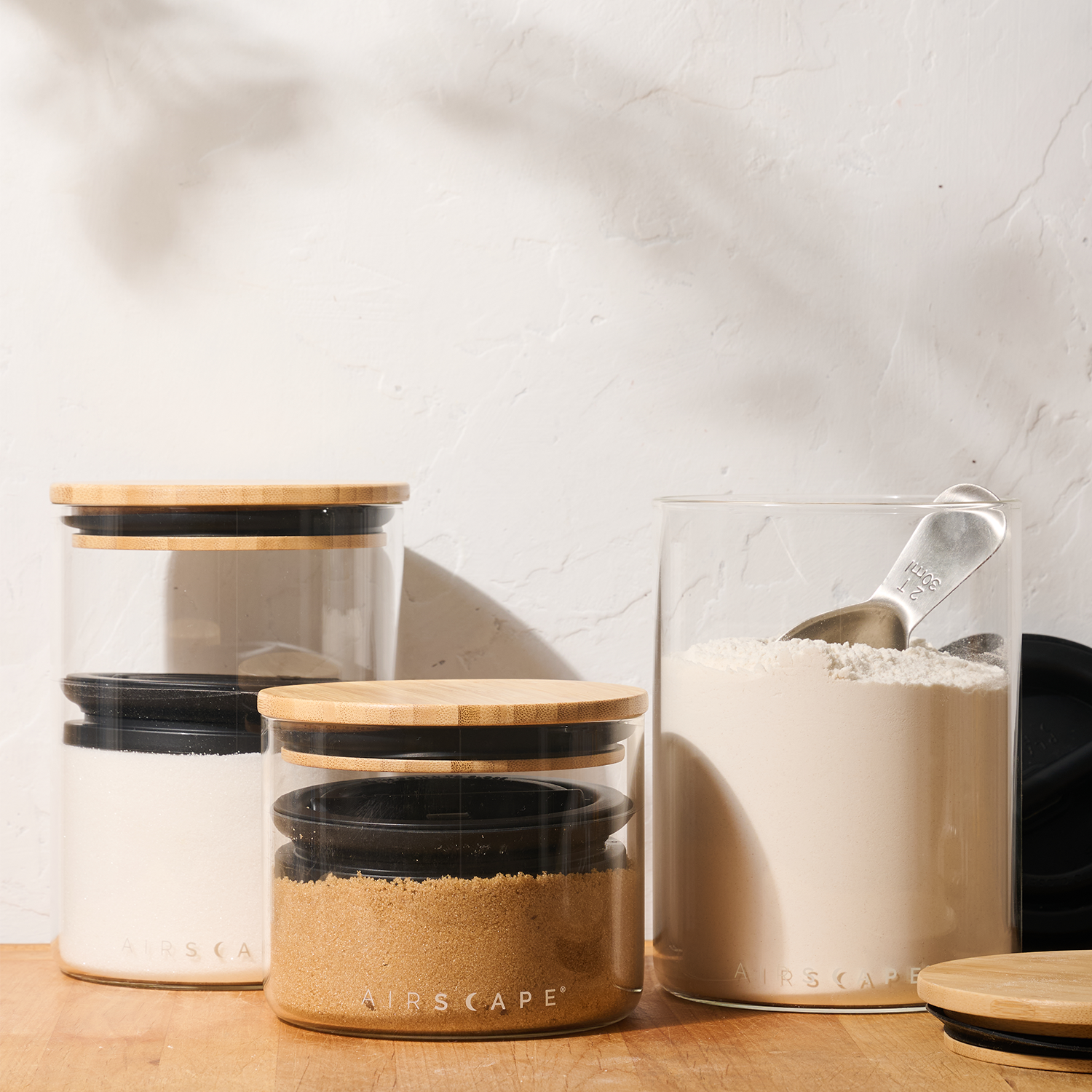
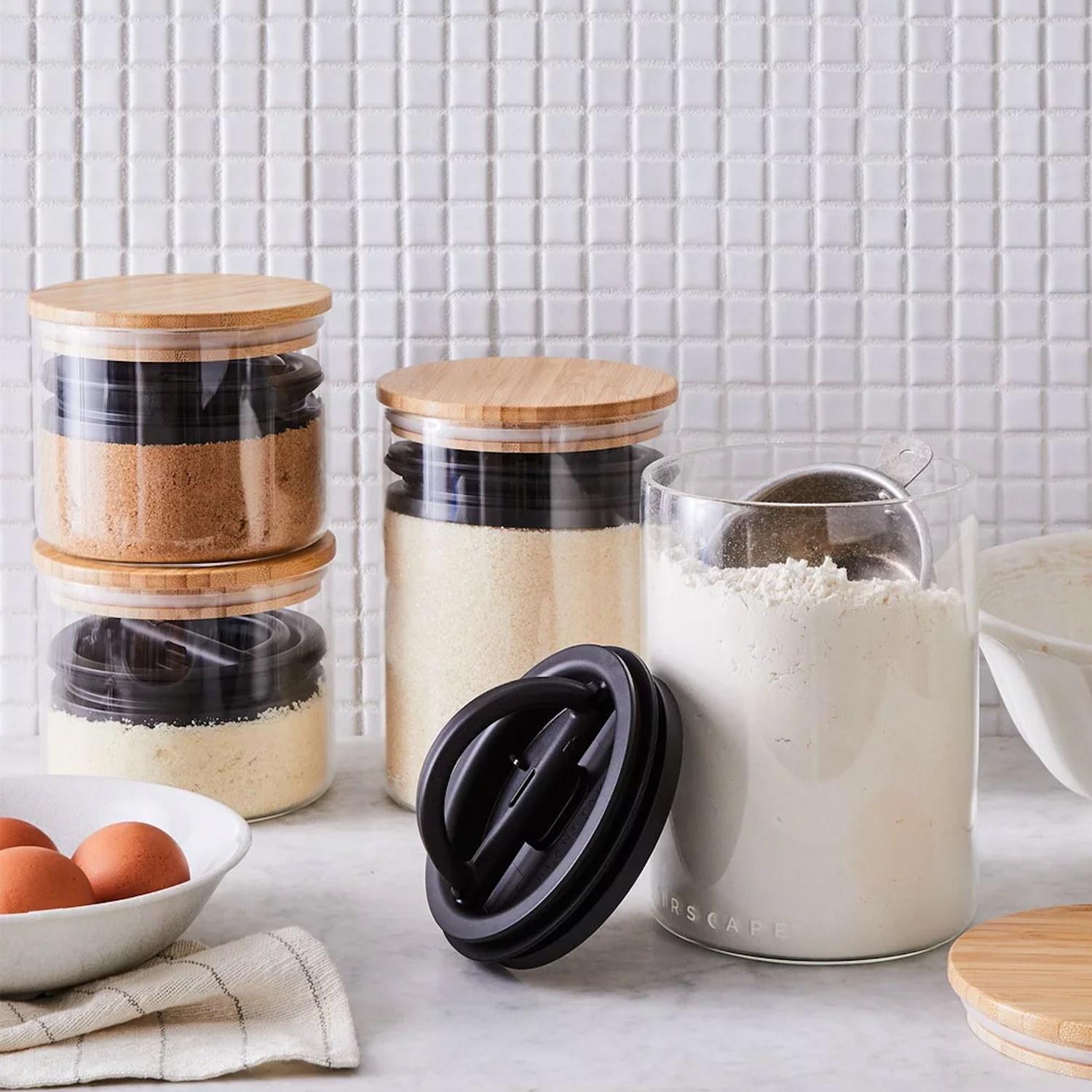
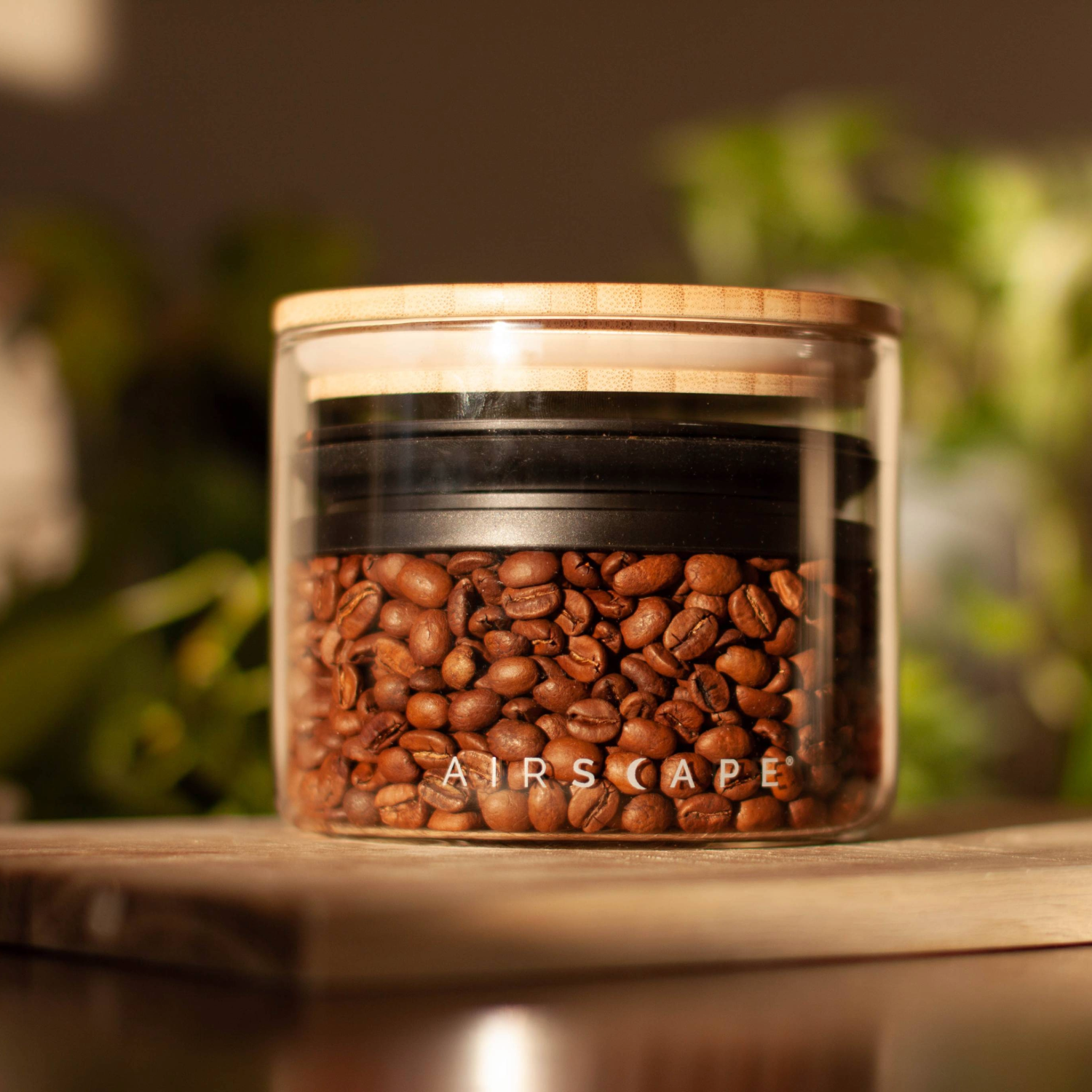
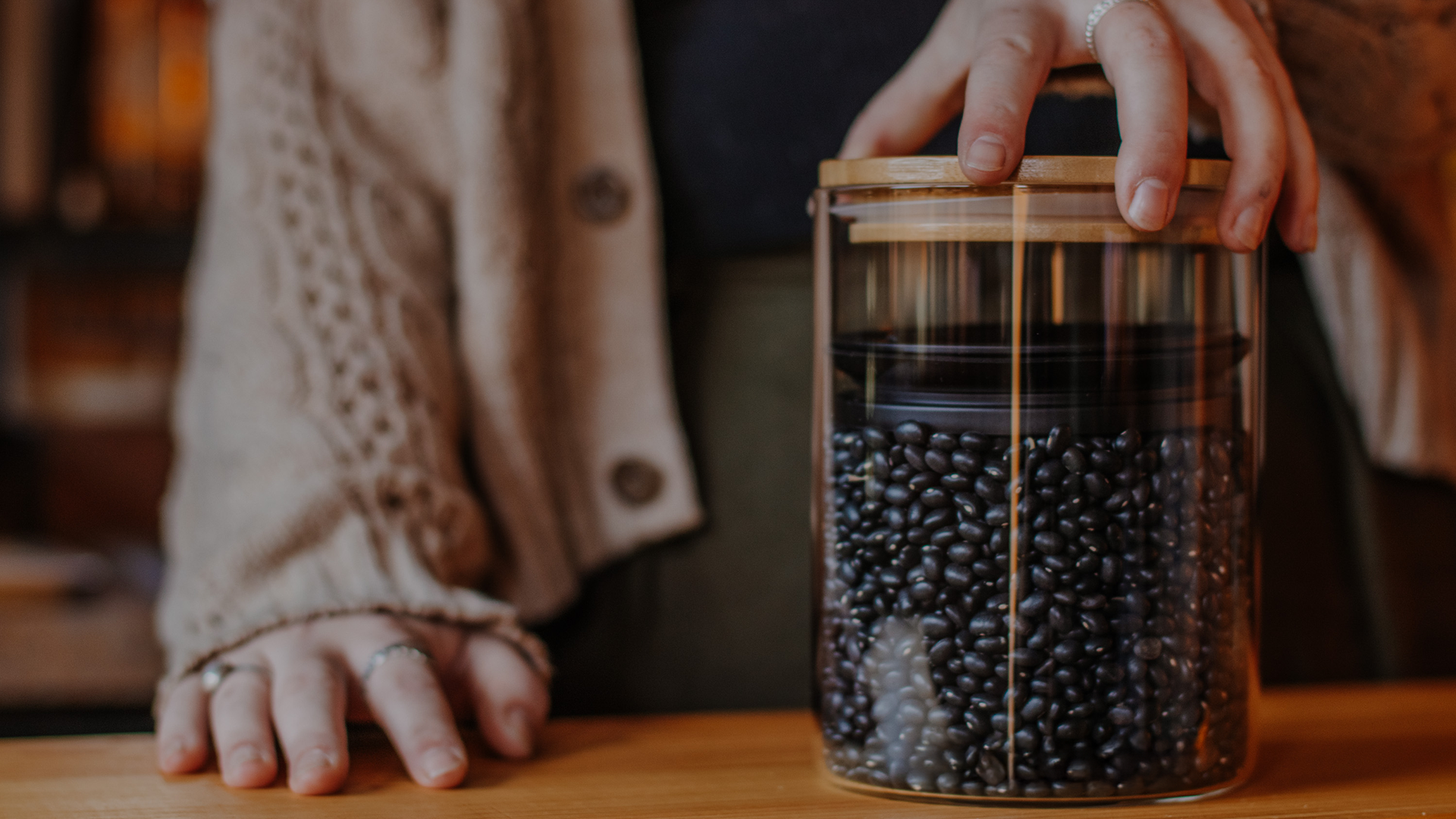
Airscape® Glass Coffee & Dry Goods Canister


Airscape® Coffee Canister - Grab Bag
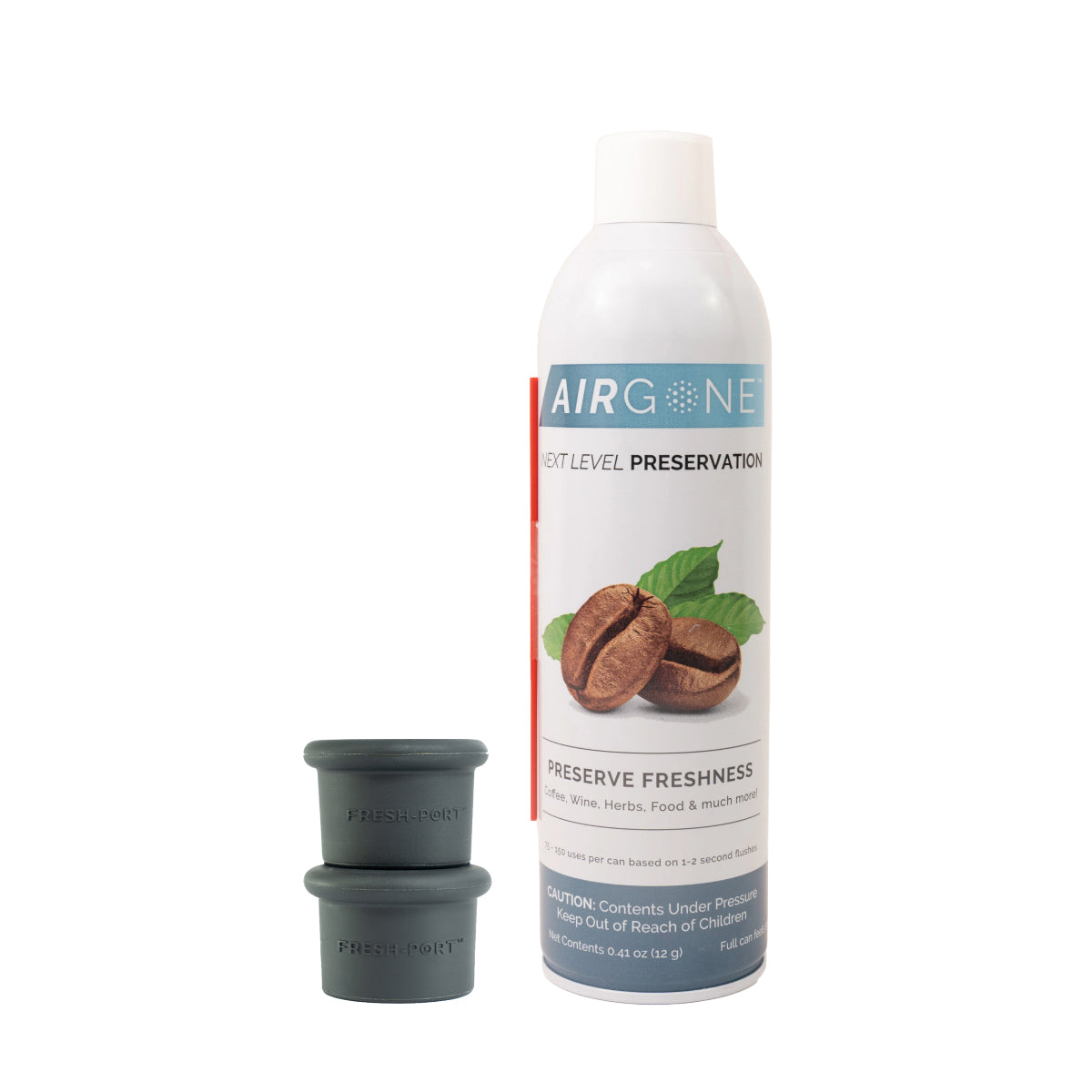
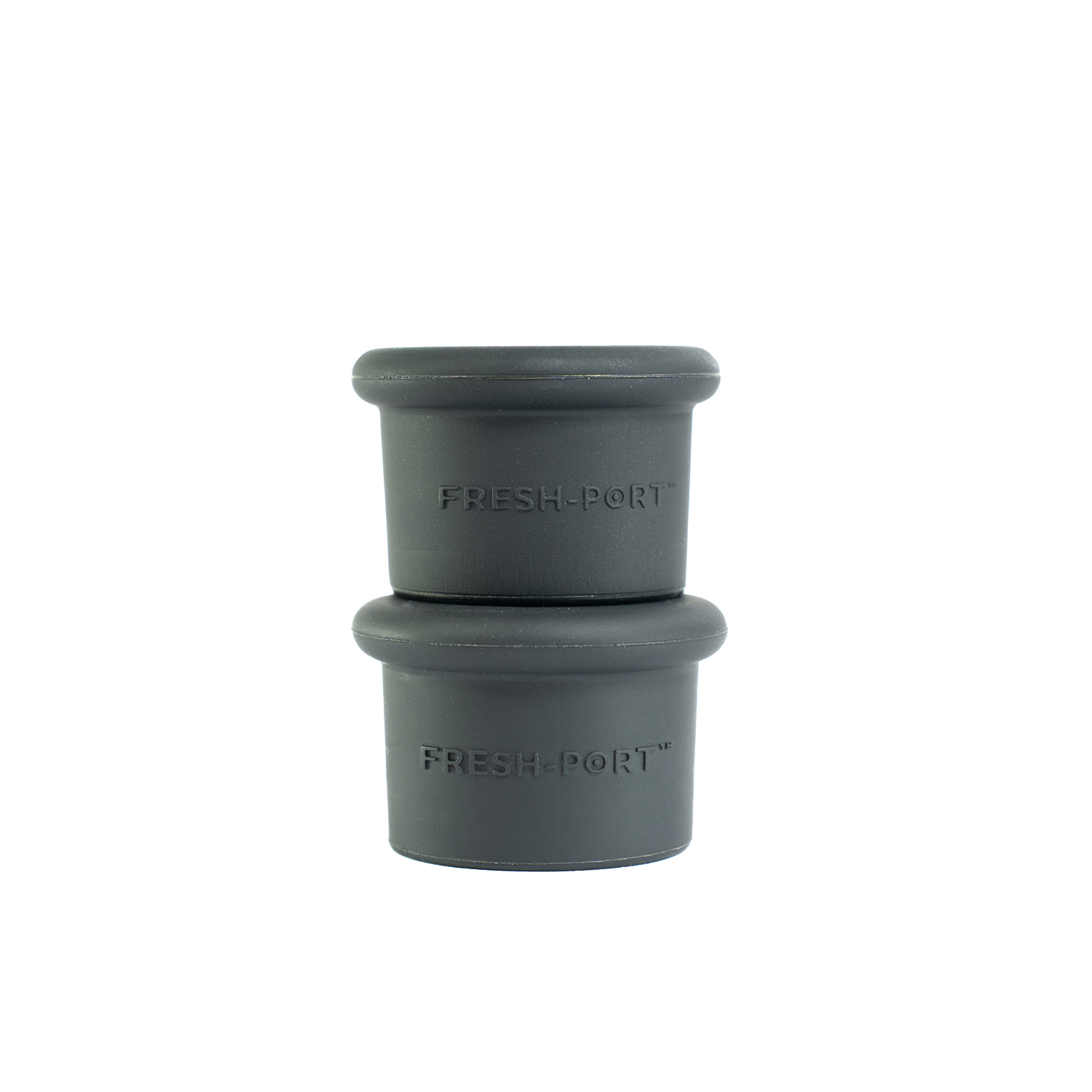
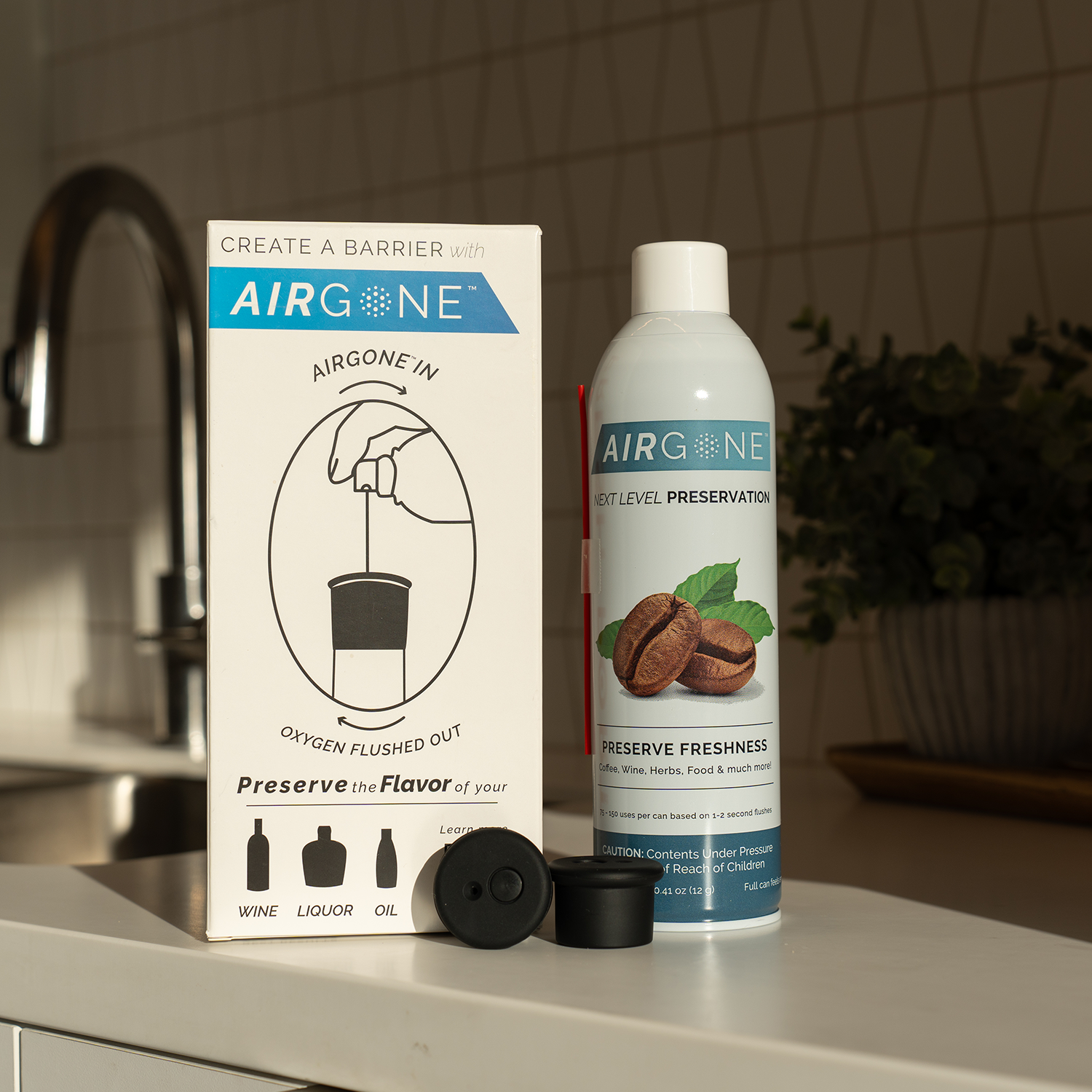
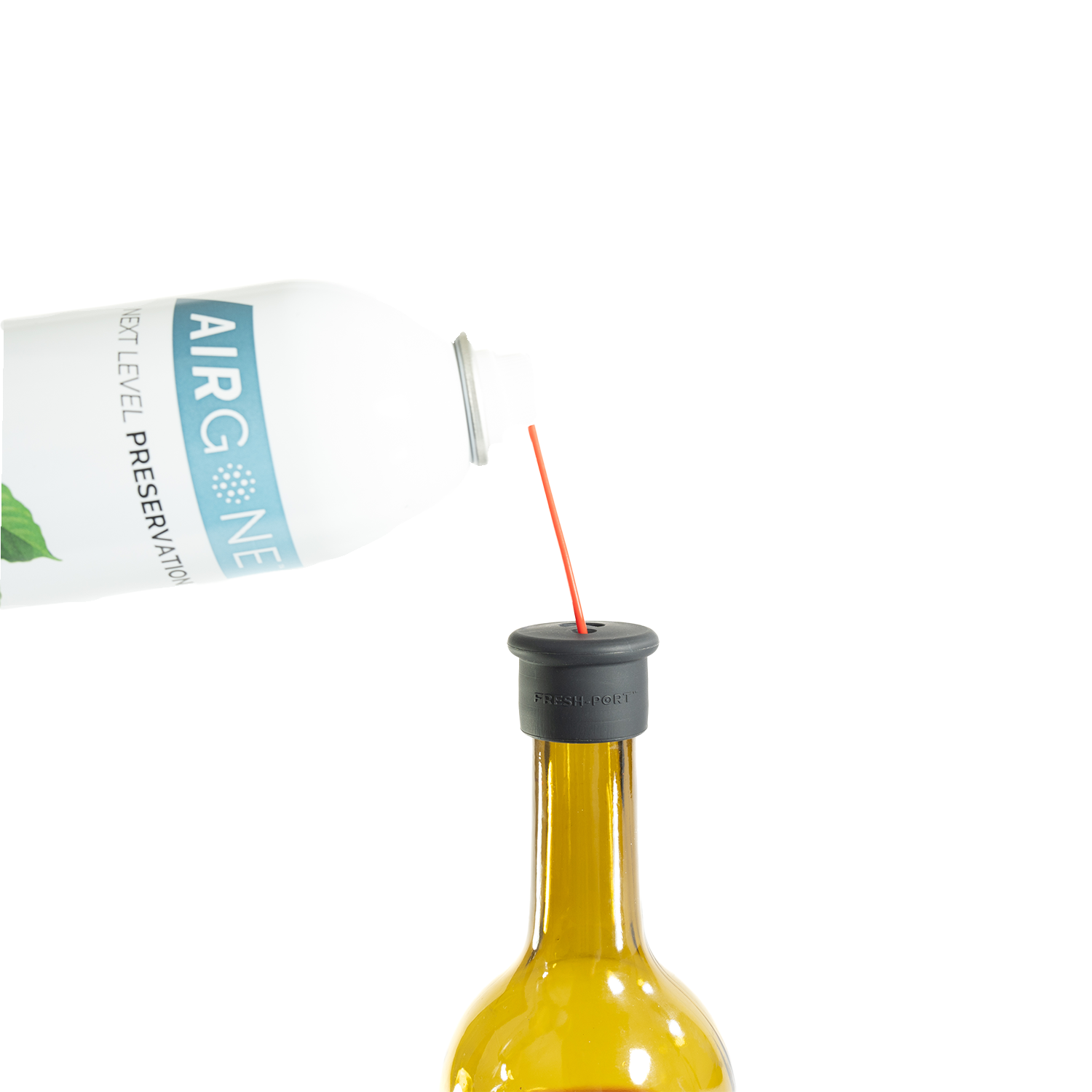
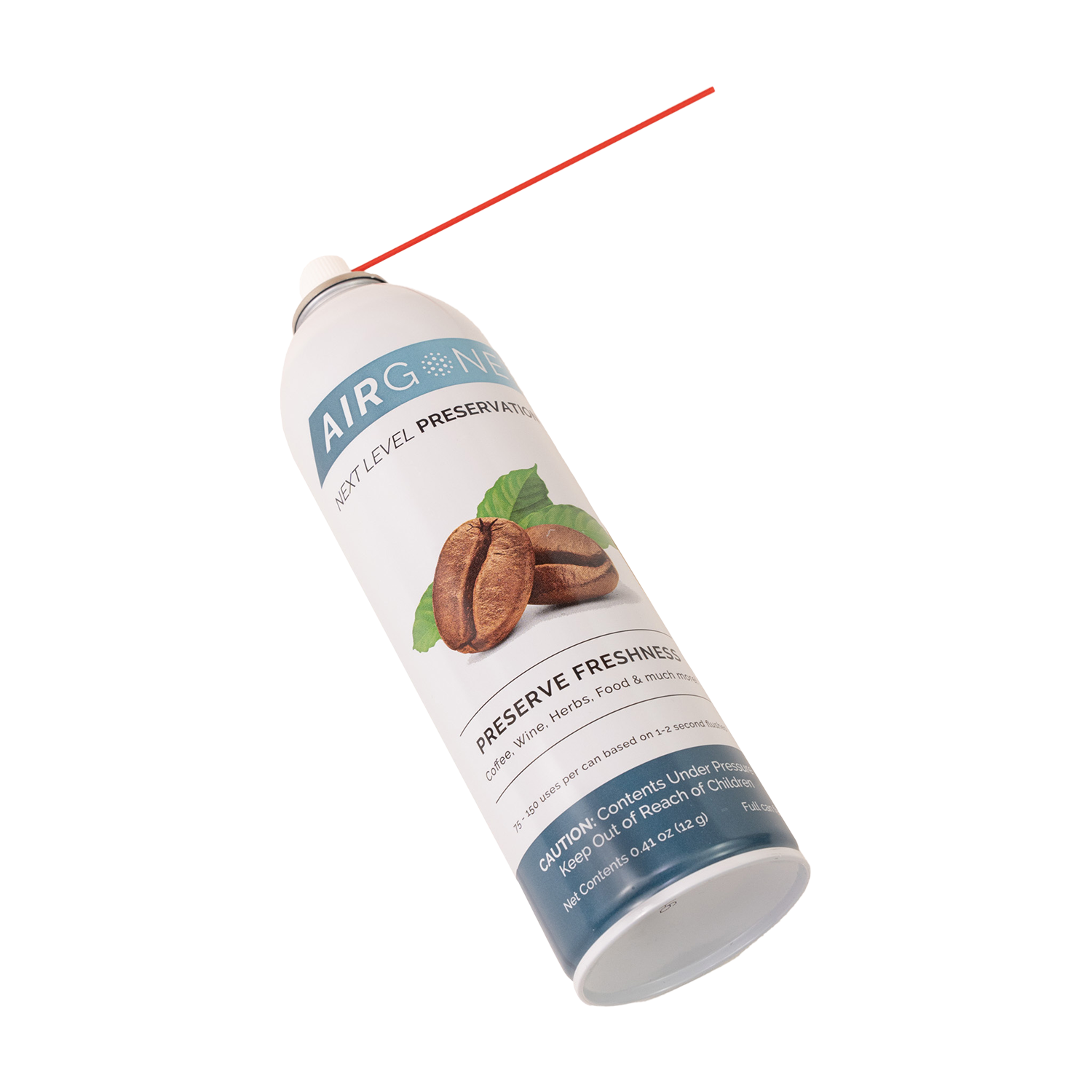
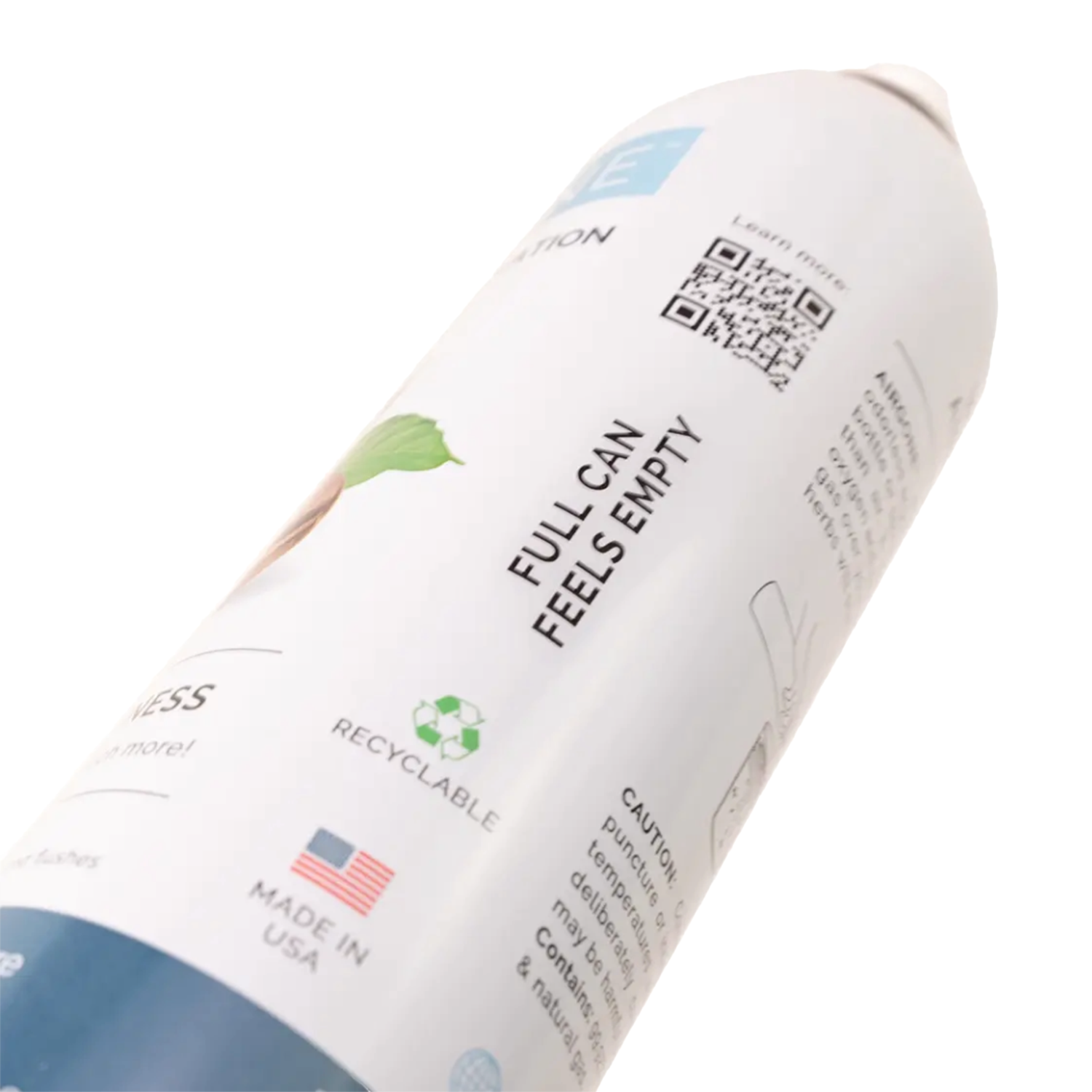
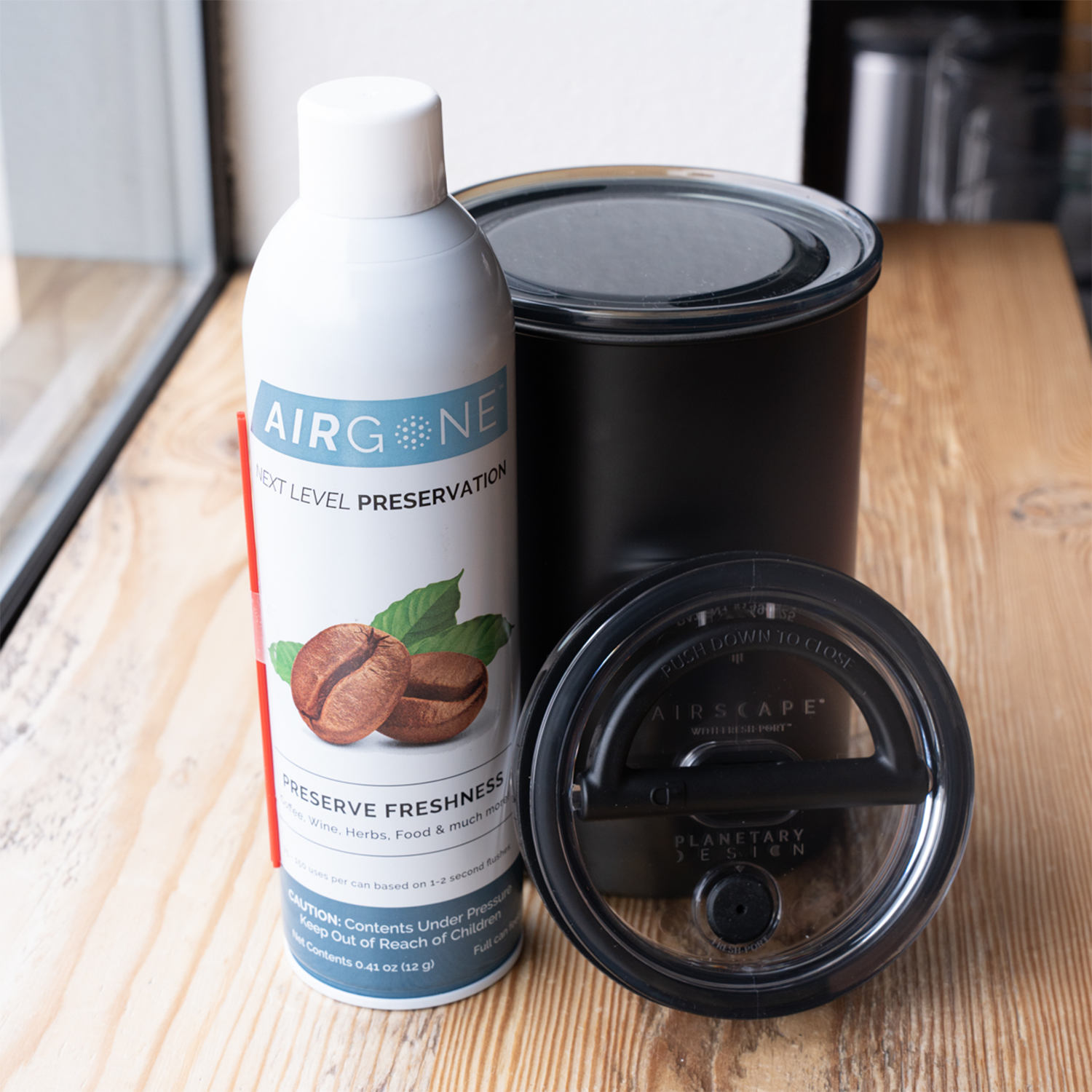
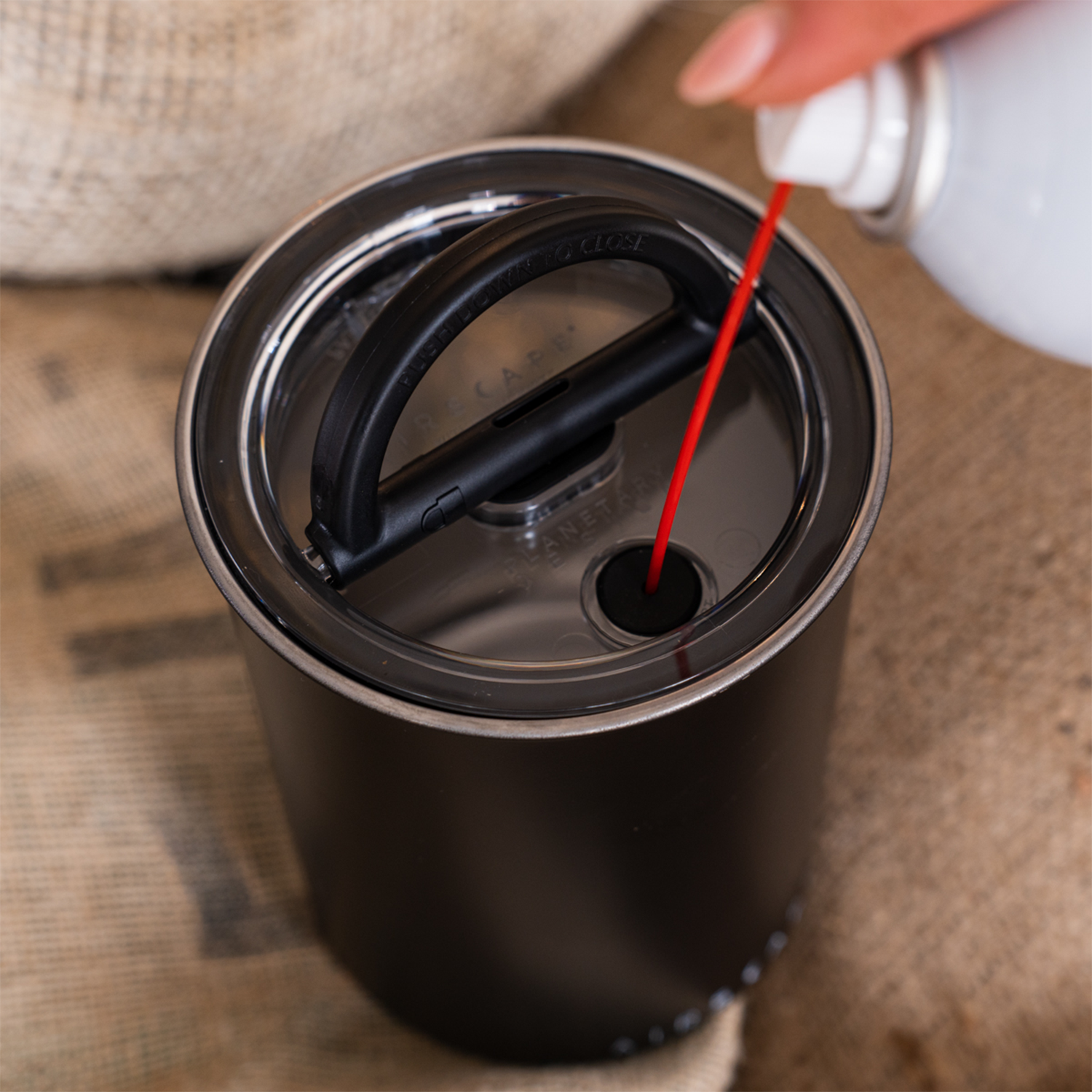
Fresh-Port® Wine Topper (2-Pack) w/ Airgone® Gas

Fresh-Port® Wine Topper (2-Pack)
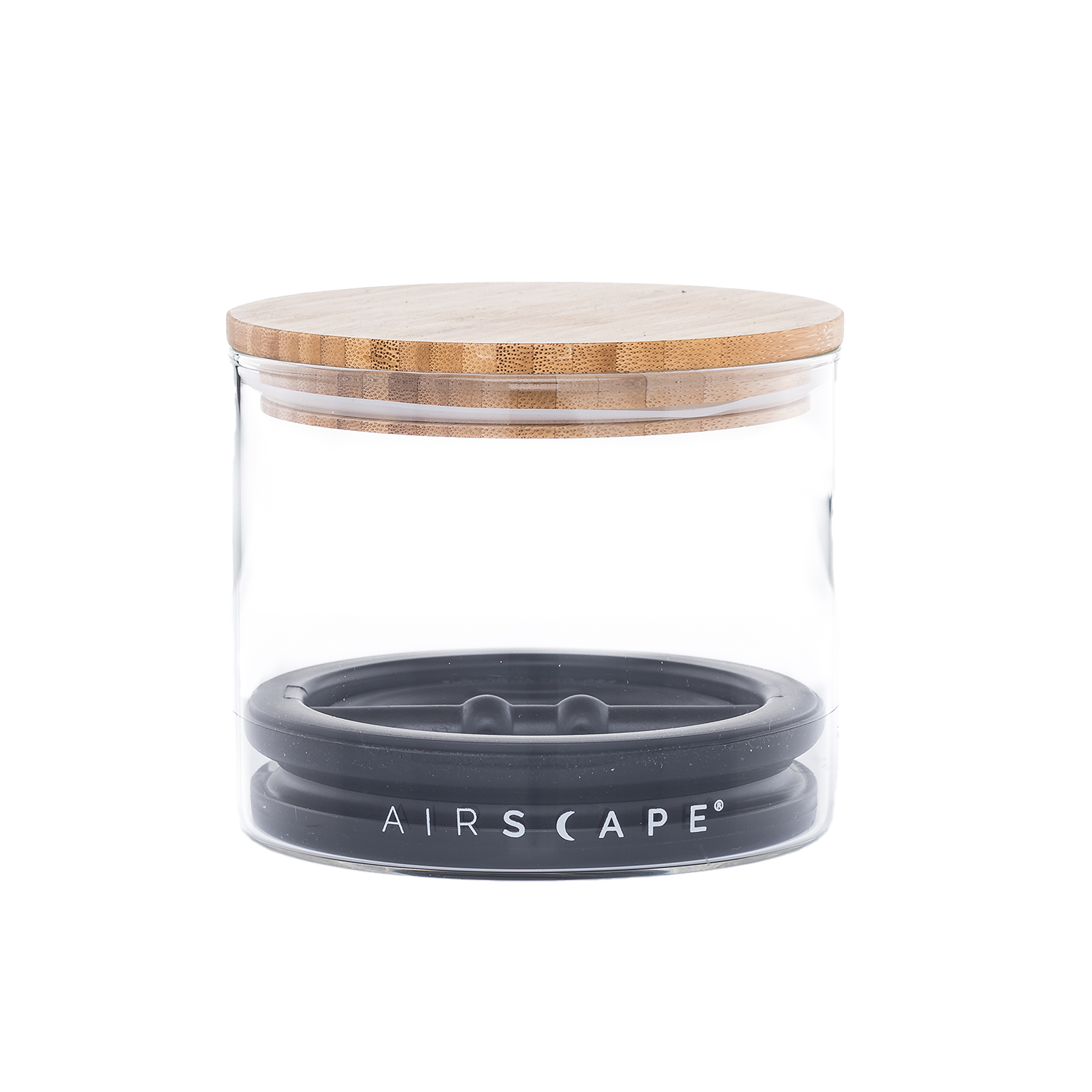
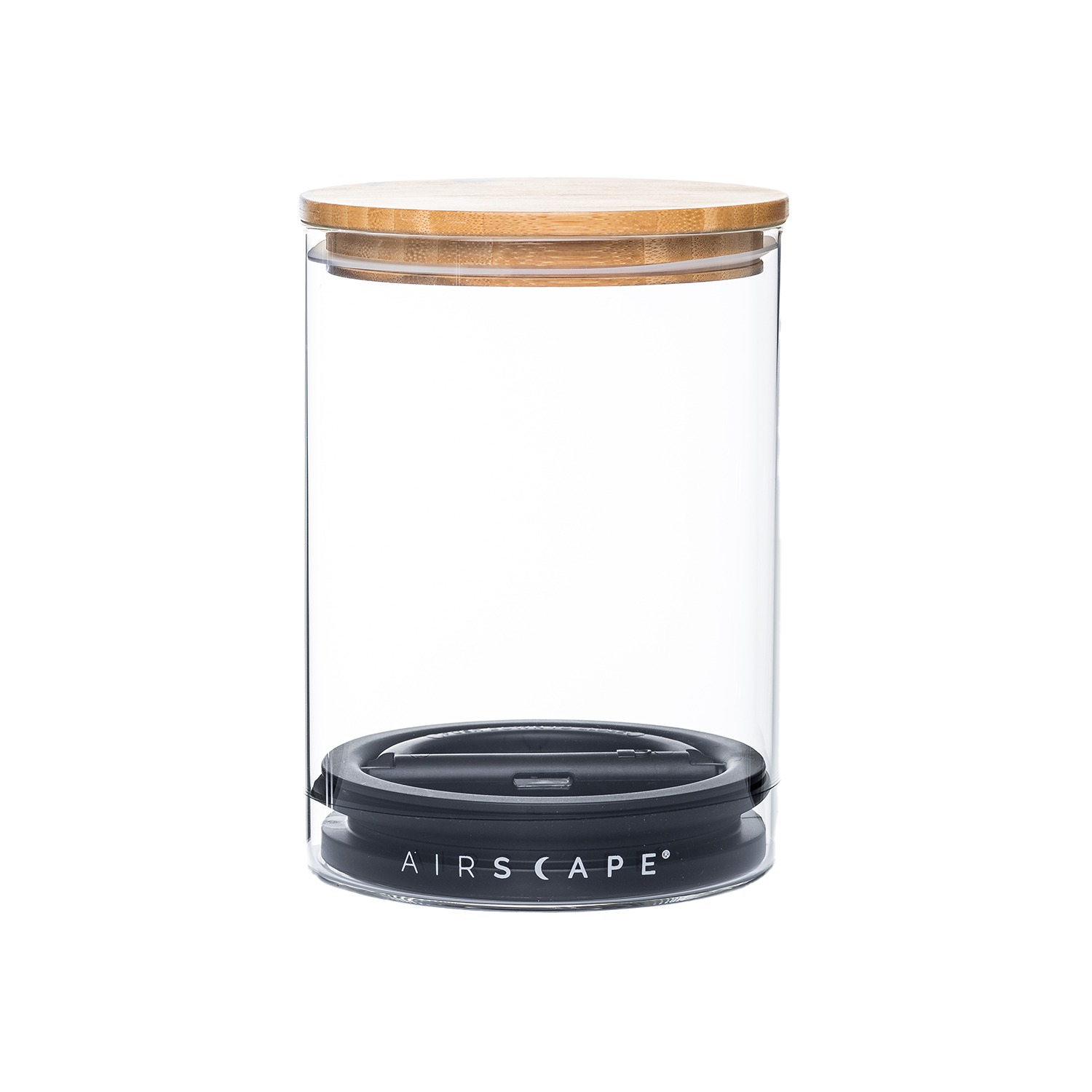
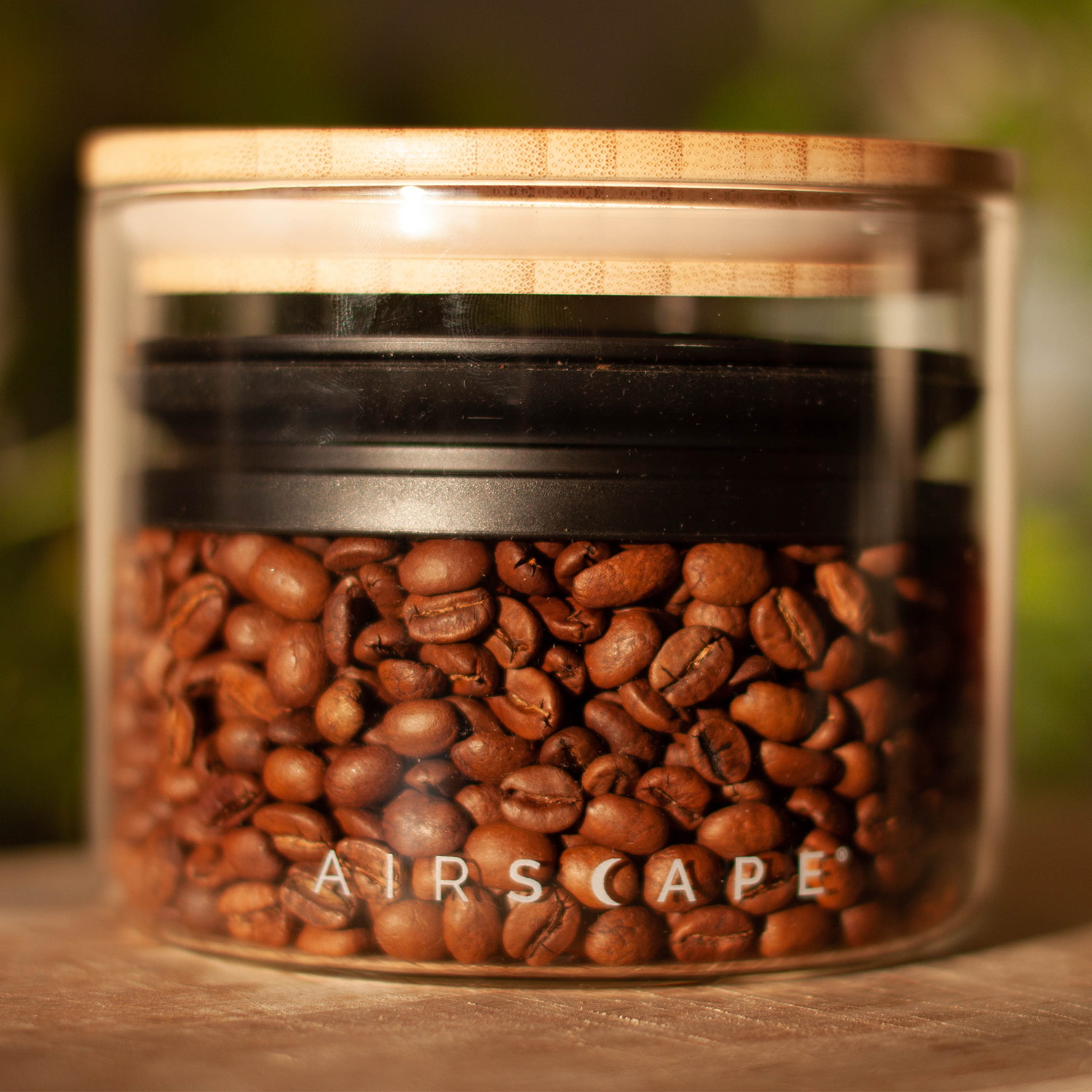
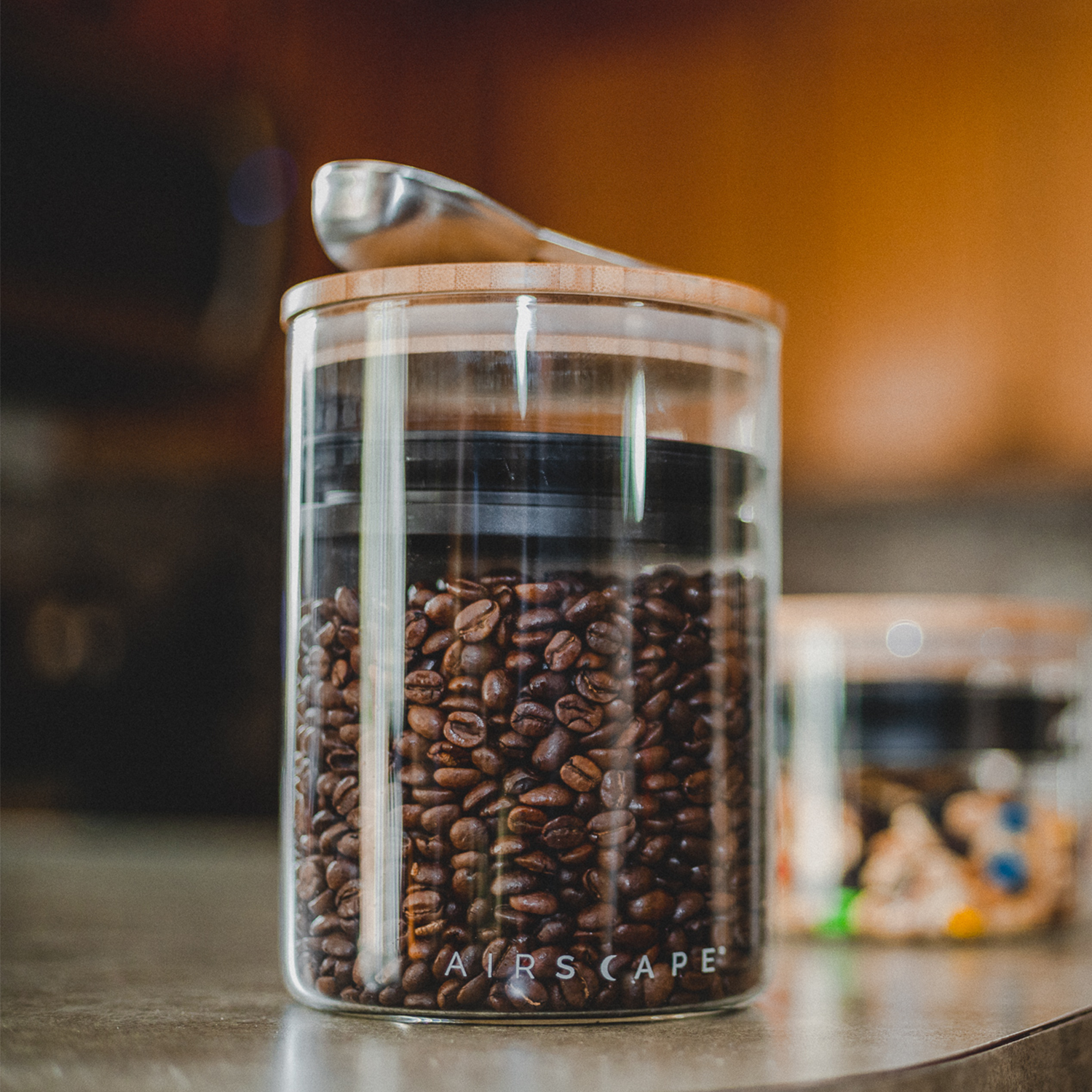
Airscape® Glass Coffee Canister Grab Bag
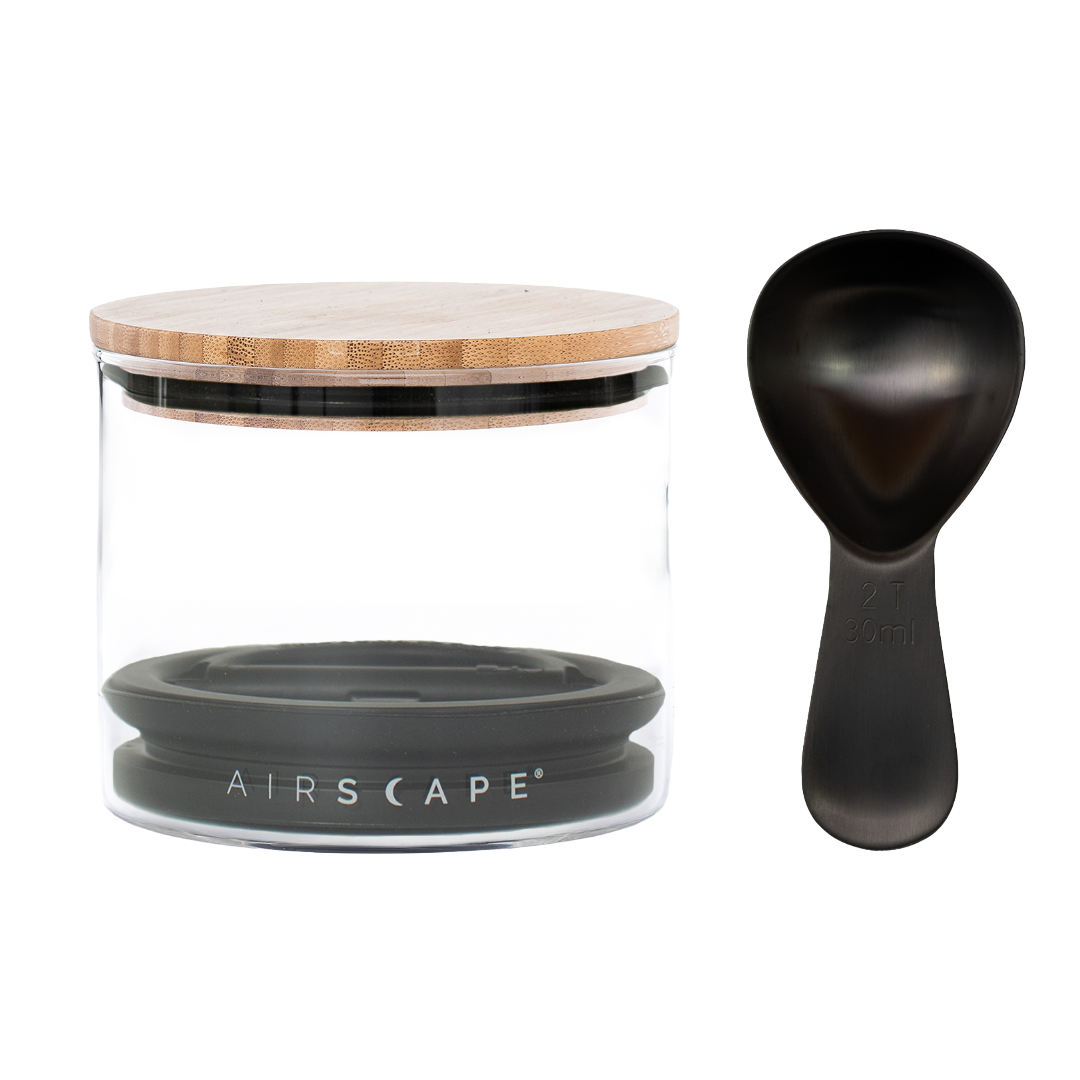
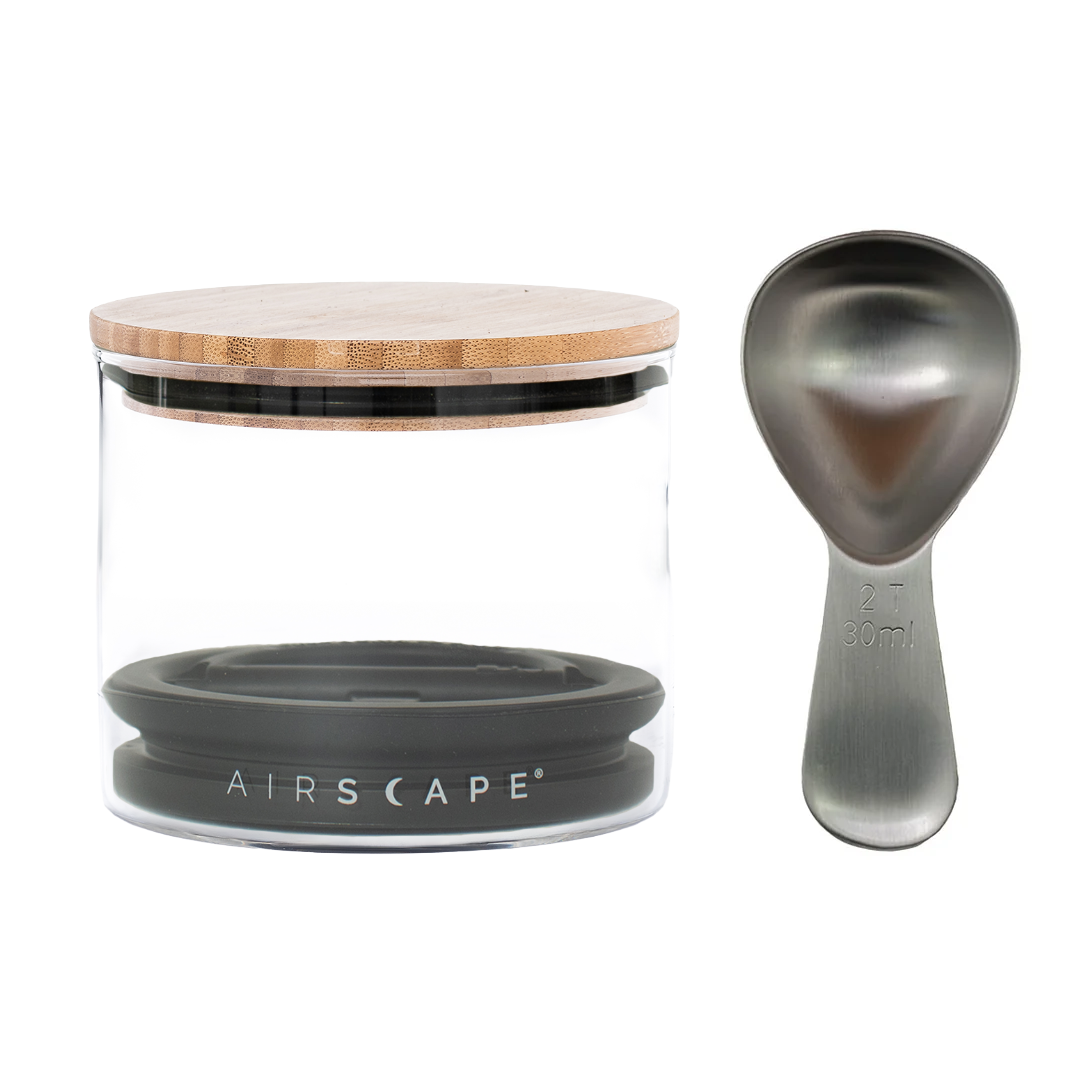
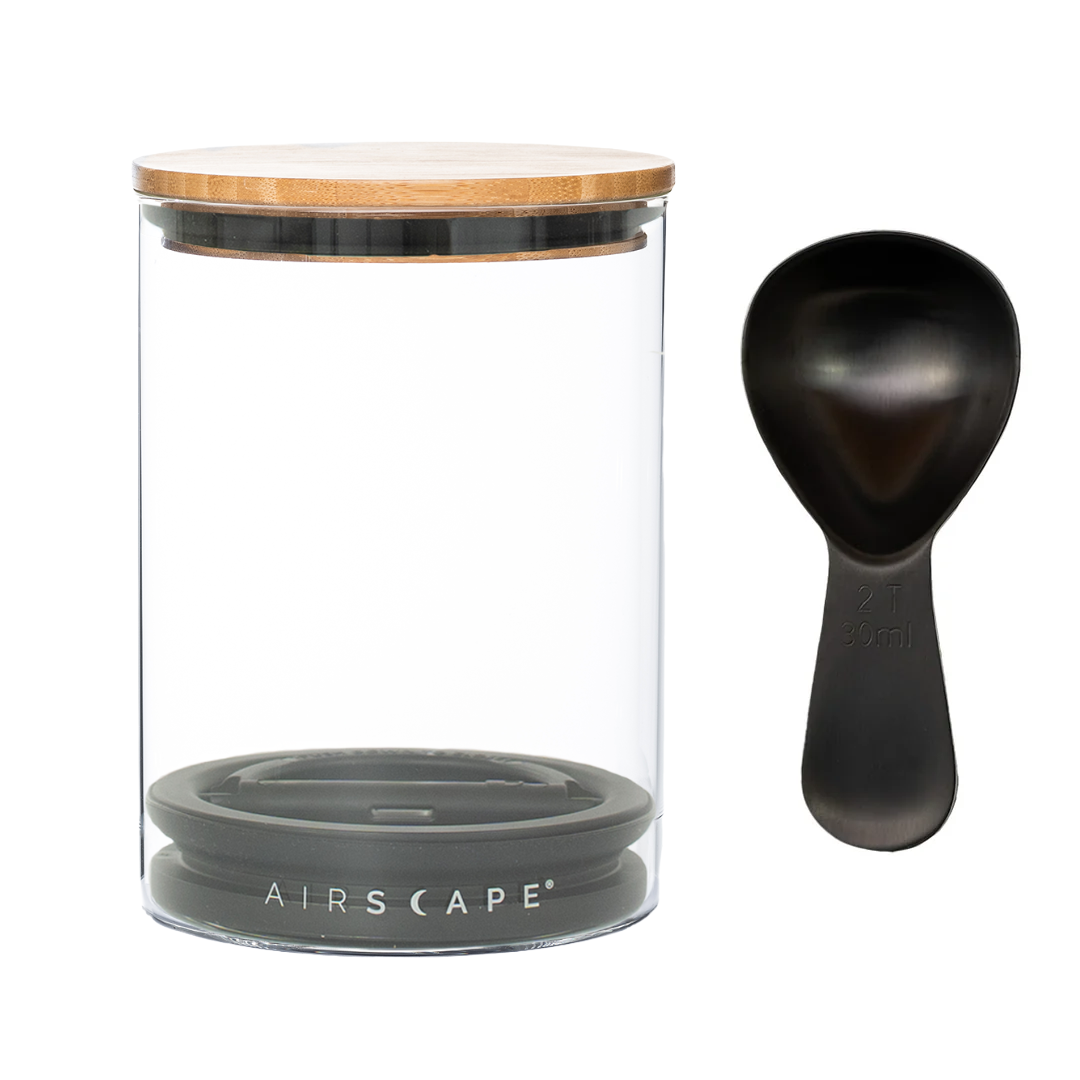
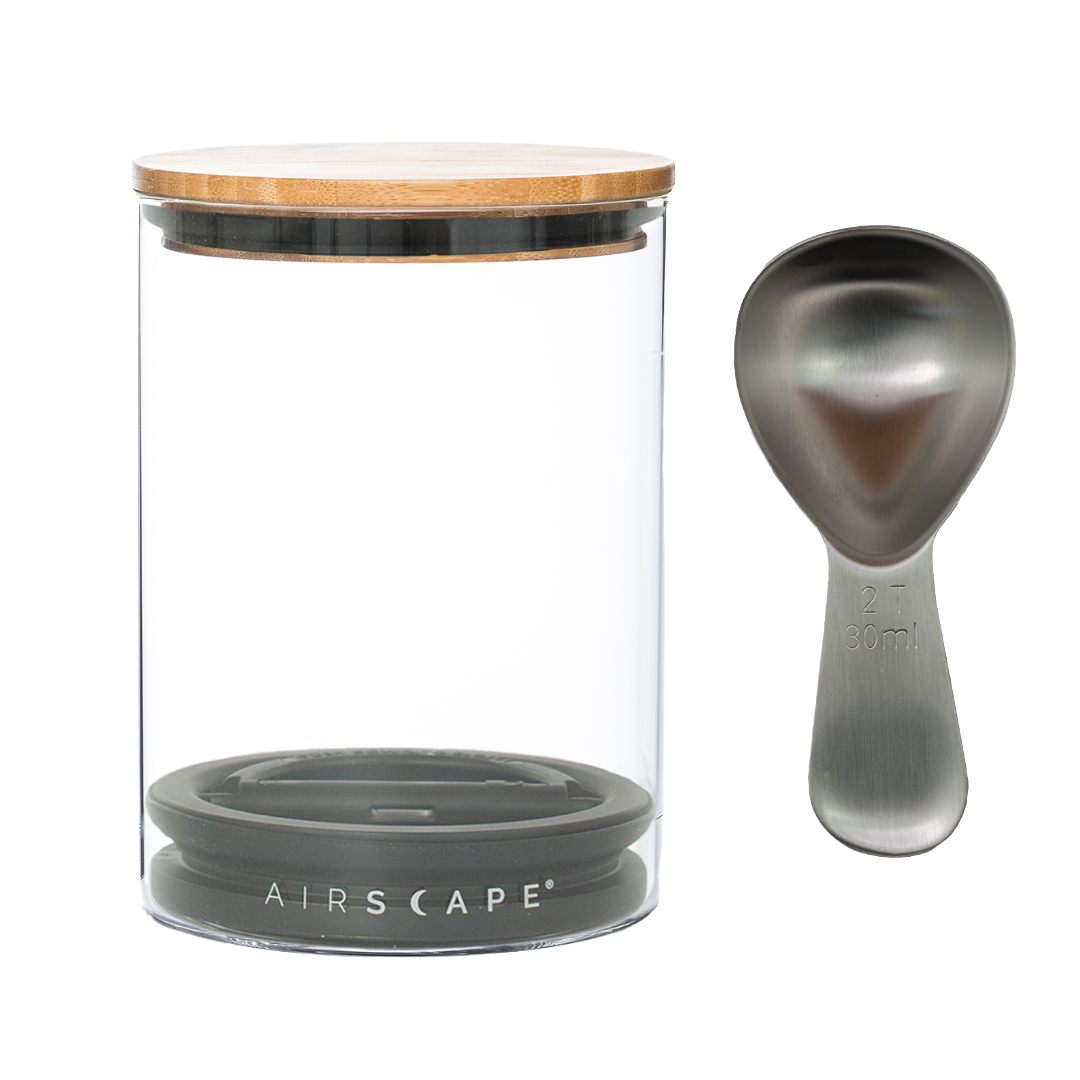
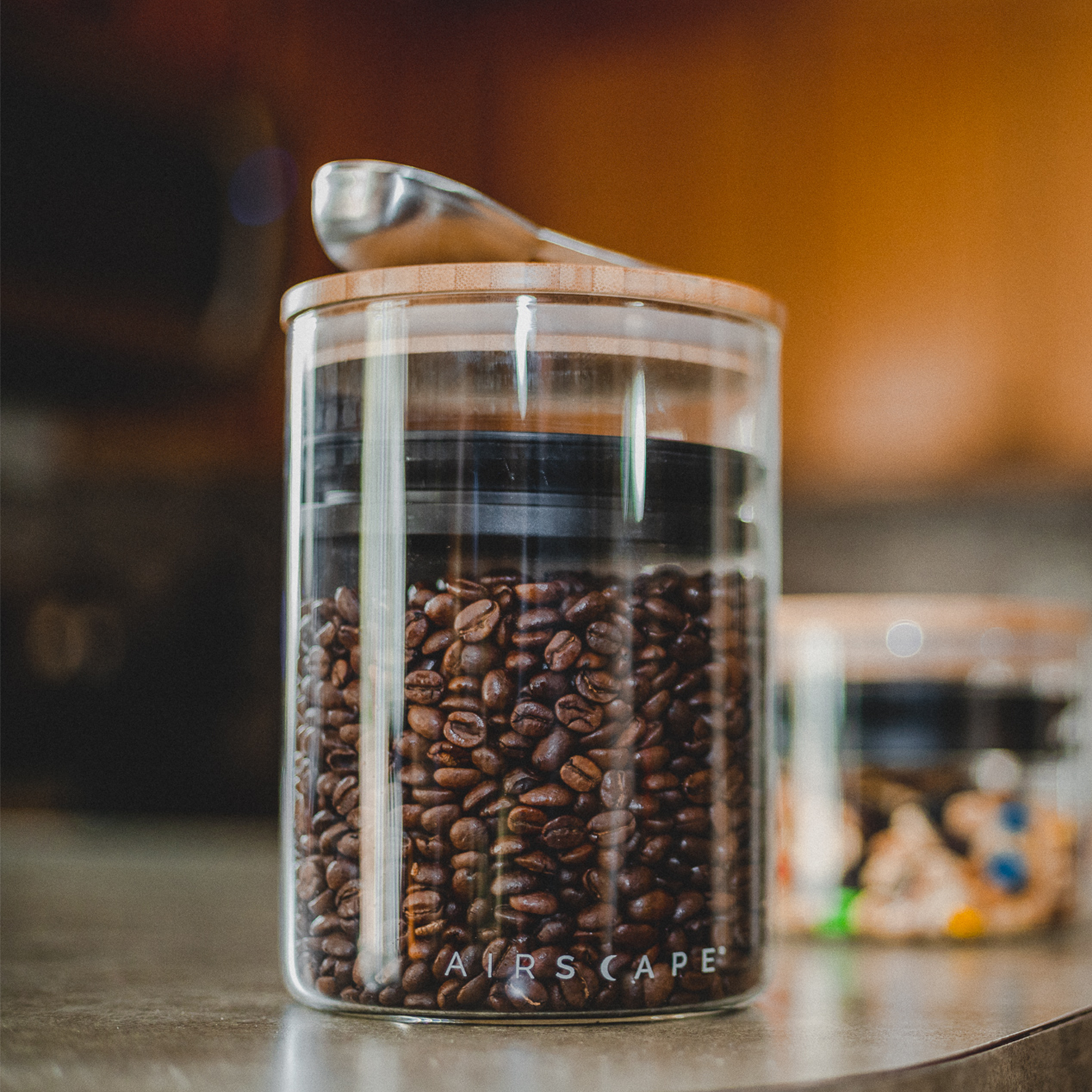
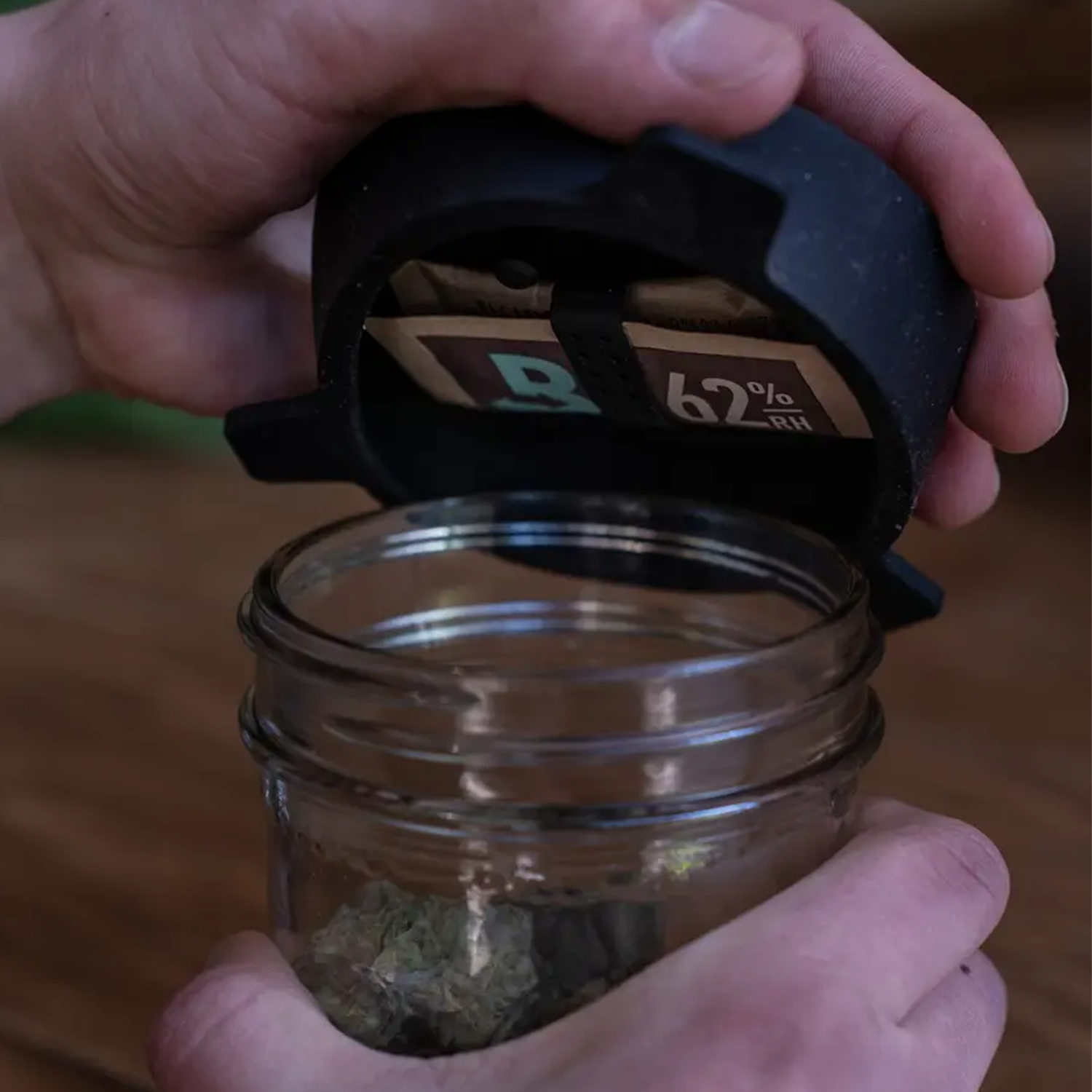


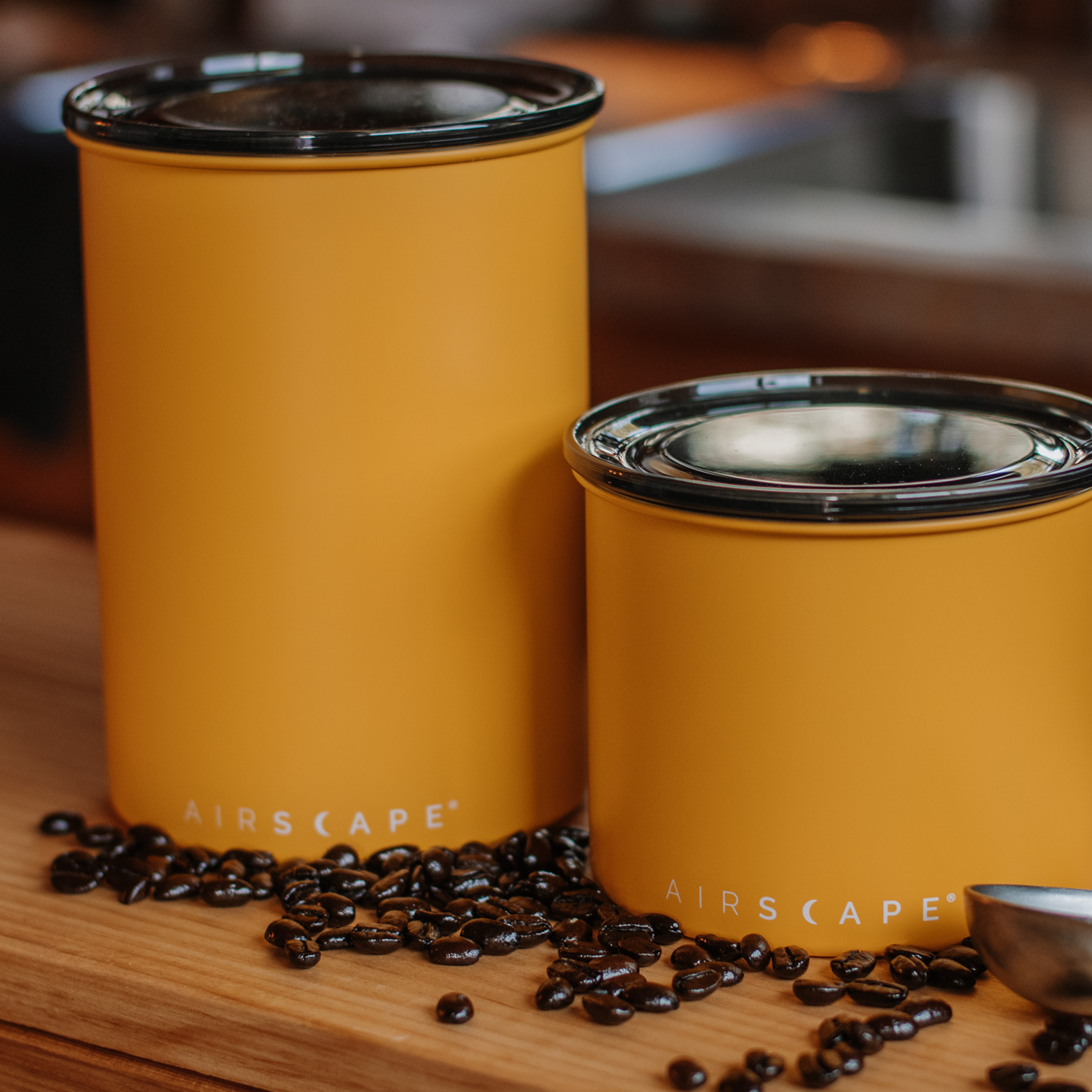
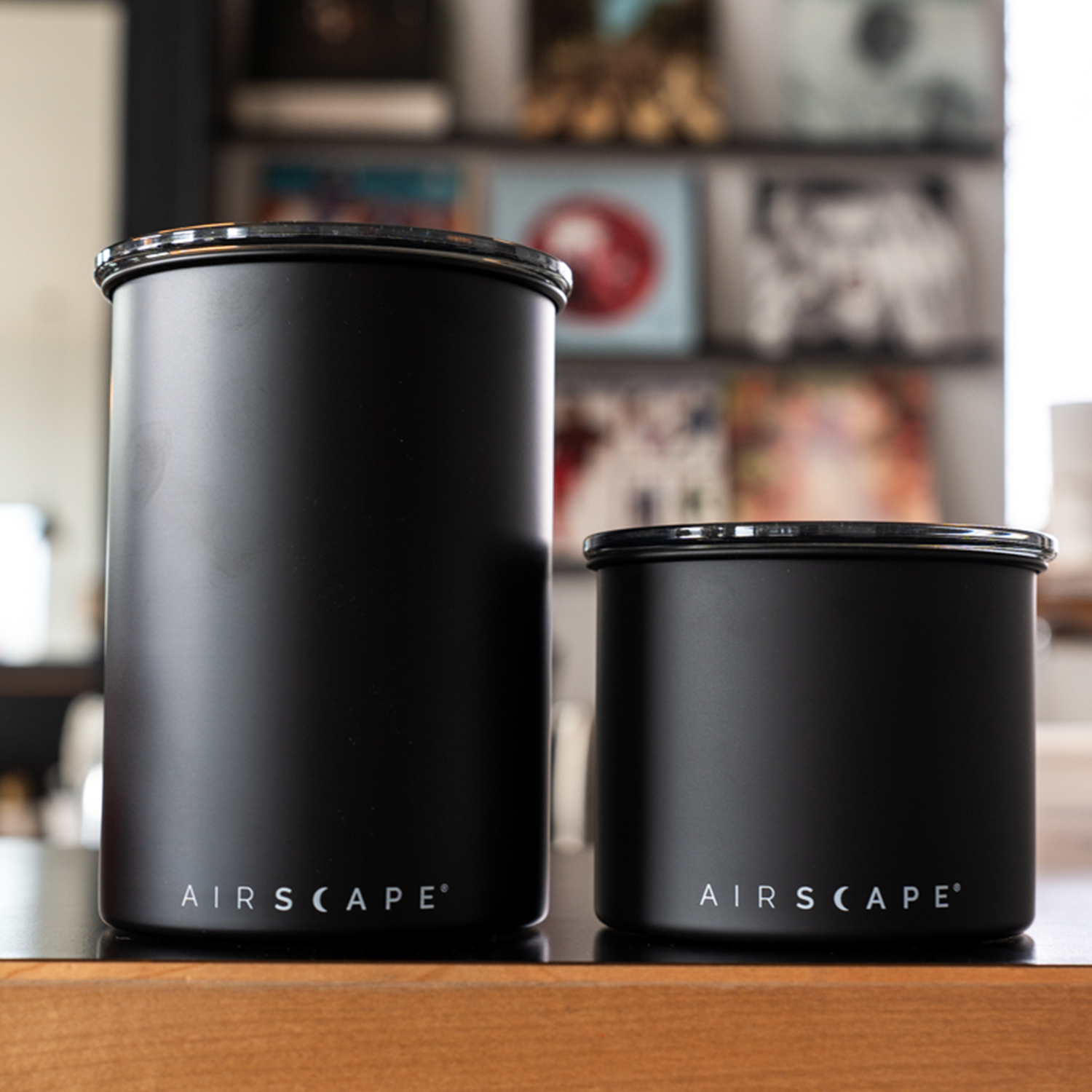

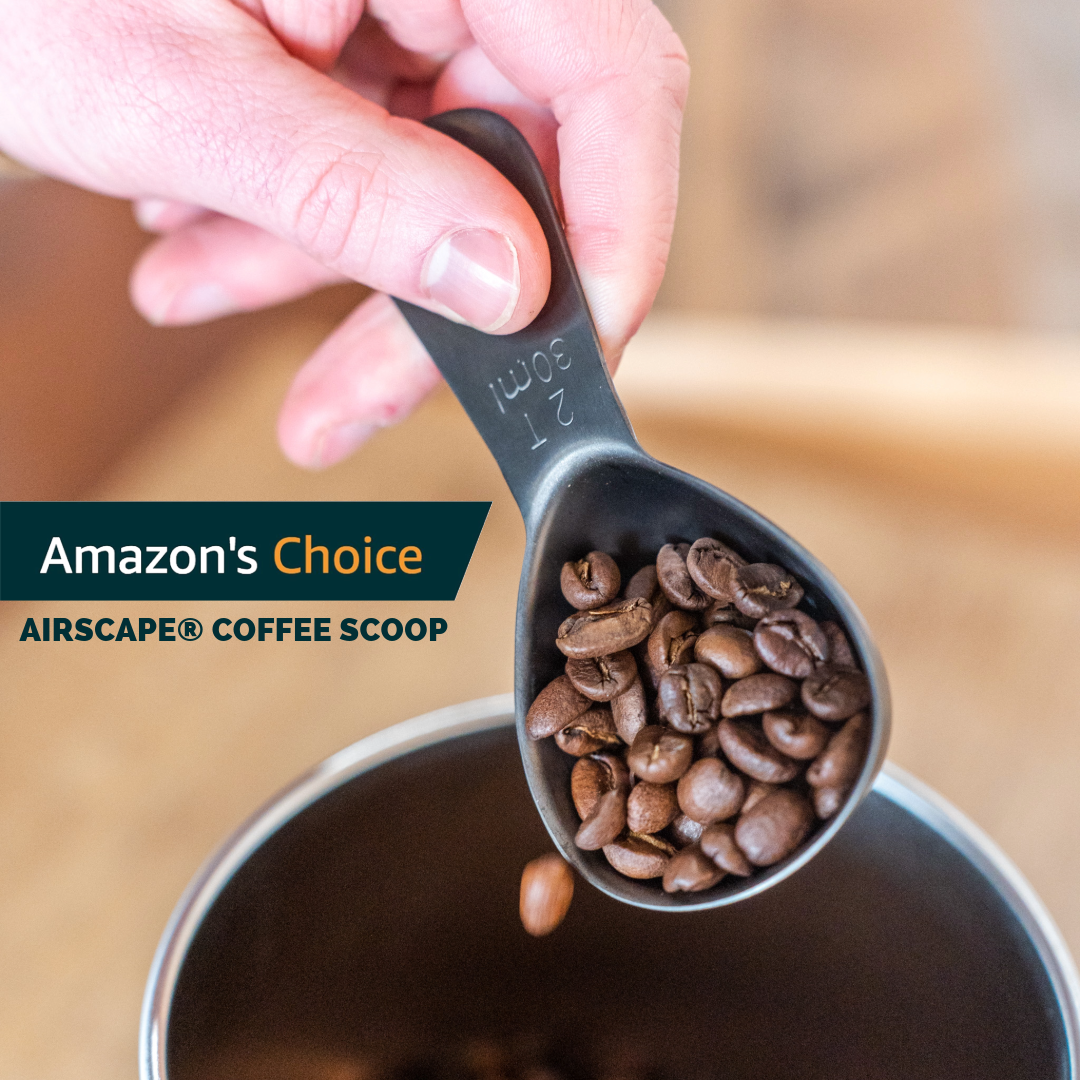
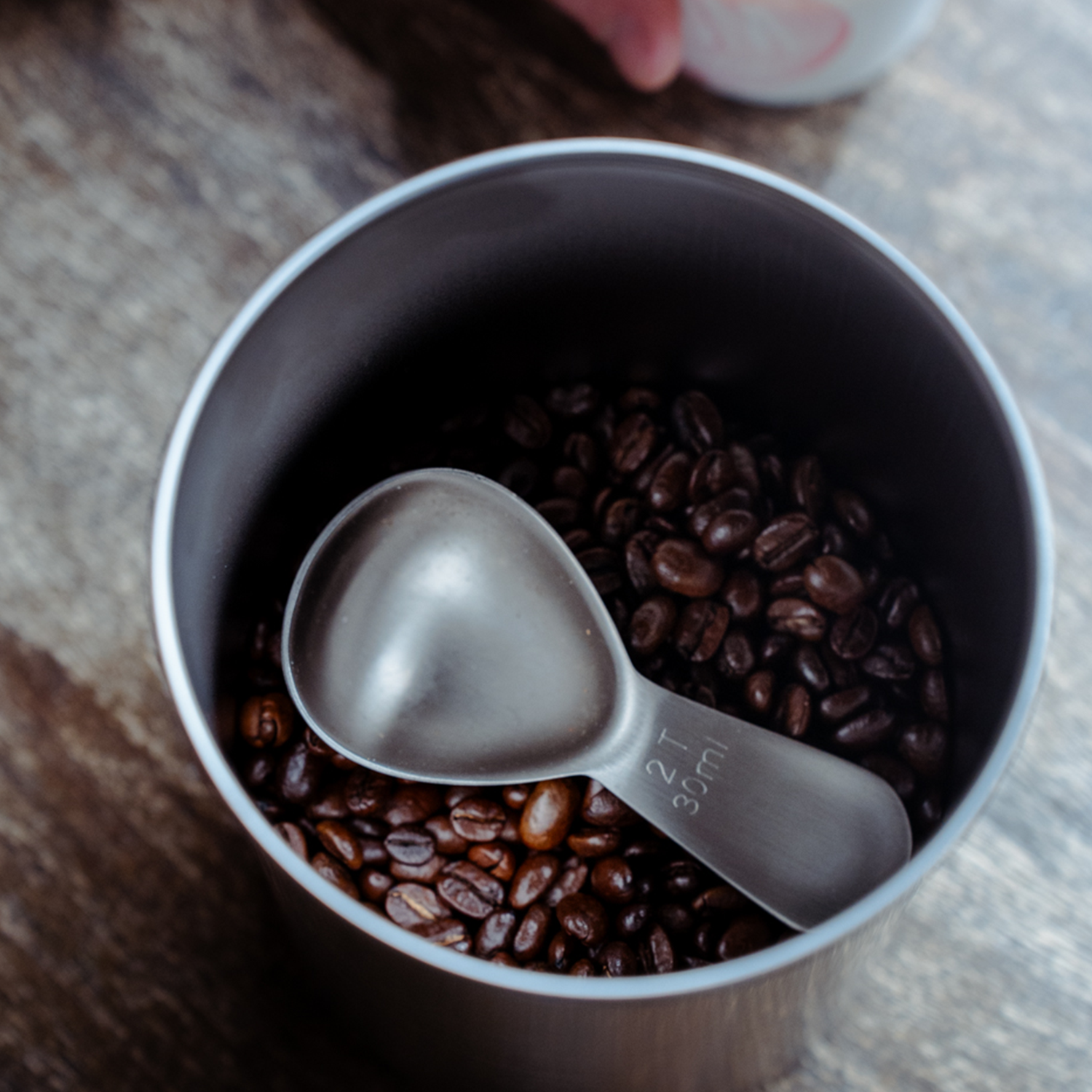
Airscape® Coffee Canister + Scoop Duo
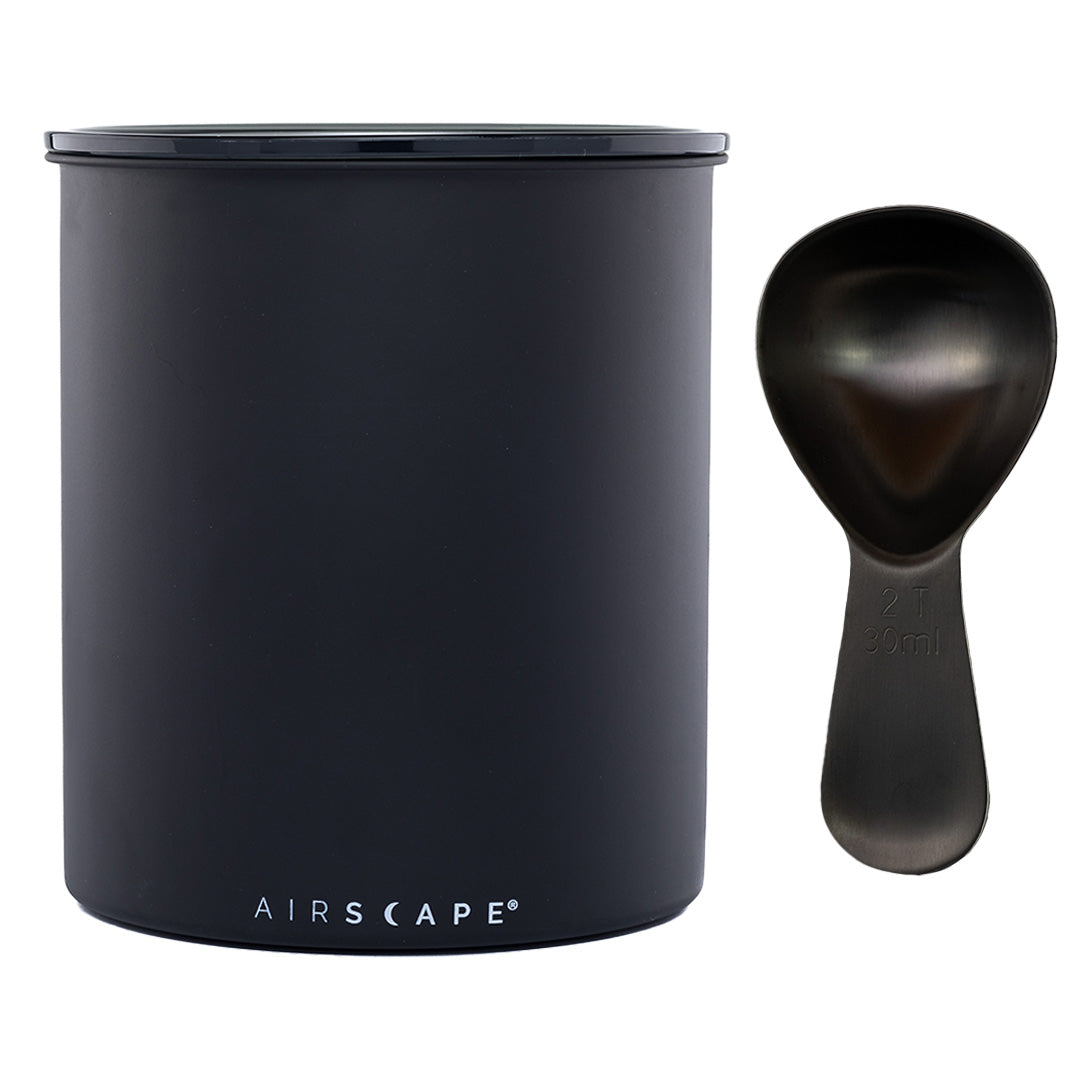
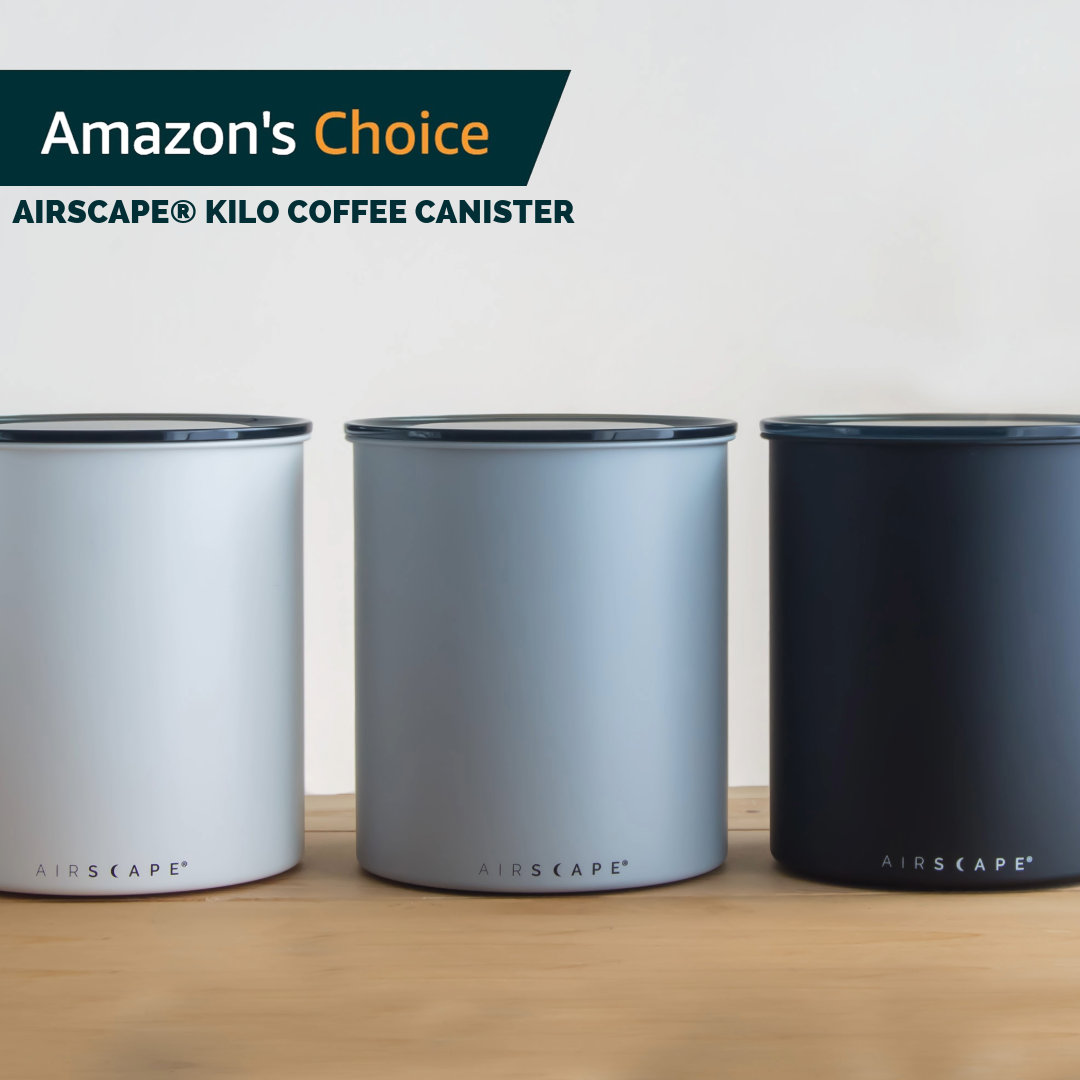


Coffee Enthusiast Bundle - Kilo
Backpacking Food Containers Built for Trail Conditions
Your backpacking food deserves better than flimsy bags that leak or crush under pack weight. Proper dry food storage containers protect meals from moisture, maintain freshness during multi-day trips, and withstand the demands of your hiking backpack. Whether you're heading into bear country or just need reliable storage for a weekend camping trip, the right gear makes all the difference between fresh meals and disappointing trail food.
Look for containers that attach easily to your pack without adding bulk. Collapsible options save space when empty. Airtight seals keep odors contained and moisture out, which matters in both bear territory and rainy conditions. The best camp food containers balance durability with weight. You want storage that withstands repeated tossing in your pack without turning you into a pack mule.
Bear Country Storage Solutions
In areas requiring bear canisters, you'll need storage that fits inside approved containers. Bear-proof food canisters fit a surprising amount when you pack smart, but your food bag needs to compress and stack efficiently. Hard-sided bear canister options protect against determined bears, while large metal bear-proof boxes work well for base camp setups. Soft-sided bear bags offer lighter weight for areas where hanging food remains acceptable.
Remember that bears can smell food through standard packaging. Your storage system needs to contain odors from meals, trash, and even empty wrappers. Silicone lids and screw-top designs create better seals than simple snap closures. Store your food canister at least 200 feet from camp, and never keep food in your tent, even in supposedly odor-resistant containers.
Choosing the Right Backpacking Gear
Start by counting days on trail and planning meals accordingly. A seven-day trip requires different storage than an overnight. Collapsible containers work well for the first few days when you're carrying more food, then compress as you eat through supplies. Ultralight backpackers often choose food storage bags that weigh ounces rather than pounds, though durability sometimes suffers from extreme weight savings.
Consider how your containers integrate with other gear. Some packs have dedicated pockets for food storage. Others require you to pack containers inside. A pot or bowl that doubles as storage saves weight and space. Look for accessories like compression straps that help secure your food bag to the outside of your pack when appropriate, just never in bear country.
Material Matters for Trail Storage
Silicone containers offer flexibility and durability without adding much weight. They're puncture-resistant and handle temperature swings better than rigid plastic. Hard-sided options protect crushable items like tortillas or crackers, but take up consistent space whether full or empty. Metal containers provide excellent protection and often serve as cooking gear as well, though they're heavier.
Avoid containers that crack in cold weather or warp in heat. Your storage sits in direct sun, freezes overnight, and gets compressed under tent poles and sleeping bags. Materials need to be handled this abuse trip after trip. Check that lids seal properly after repeated use; stripped threads or worn gaskets mean it's time to replace your containers before they fail on trail.
Packing and Organization Tips
Store meals by day in separate containers or bags to avoid digging through everything for dinner. Keep frequently accessed items, like snacks, in easy-to-reach pockets. Pack heavier containers low and close to your back for better weight distribution. Use your food storage as a pack structure early in the trip when it's full and heavy.
Label containers if you're carrying multiple similar ones. Mark breakfast, lunch, and dinner to speed up meal prep when you're tired and hungry. Some backpackers pre-portion ingredients into containers at home, saving time and reducing packaging waste on the trail. Just remember that open containers take up more space than sealed bags.
Keeping Food Fresh Without Refrigeration
Proper storage extends how long food stays fresh while backpacking. Airtight containers slow oxidation and prevent moisture from ruining dry goods. Pack items that don't require refrigeration, such as dried meals, nuts, jerky, and shelf-stable cheese. Hard cheese, well wrapped, lasts for days without cooling. Cured meats handle trail conditions better than fresh.
In a bear vault or similar canister, food typically stays fresh for most trips when properly sealed. The container itself doesn't refrigerate, but it protects against temperature swings and keeps bugs out. Freeze items before leaving if you'll eat them in the first day or two; they'll thaw naturally and stay cooler longer.
Reducing Waste on Trail
Reusable containers eliminate single-use packaging. Pre-portion meals at home into your storage system, leaving excess packaging behind. You'll carry less trash and have an easier time managing waste in leave-no-trace areas. Some containers work for both food storage and as bowls or plates, cutting down on the accessories you need to pack.
Plan meals that generate minimal waste. Dehydrated options often come with less packaging than canned goods. When you do create trash, pack it in a dedicated bag inside your food storage system. Odor control matters here, too; food wrappers smell like food to wildlife.
Ready to upgrade your trail food game?
Shop our collection of backpacking food containers designed for real outdoor conditions. We've spent 15+ years refining storage solutions that keep your meals fresh, your pack organized, and your mind focused on the trail ahead, not on your gear.