












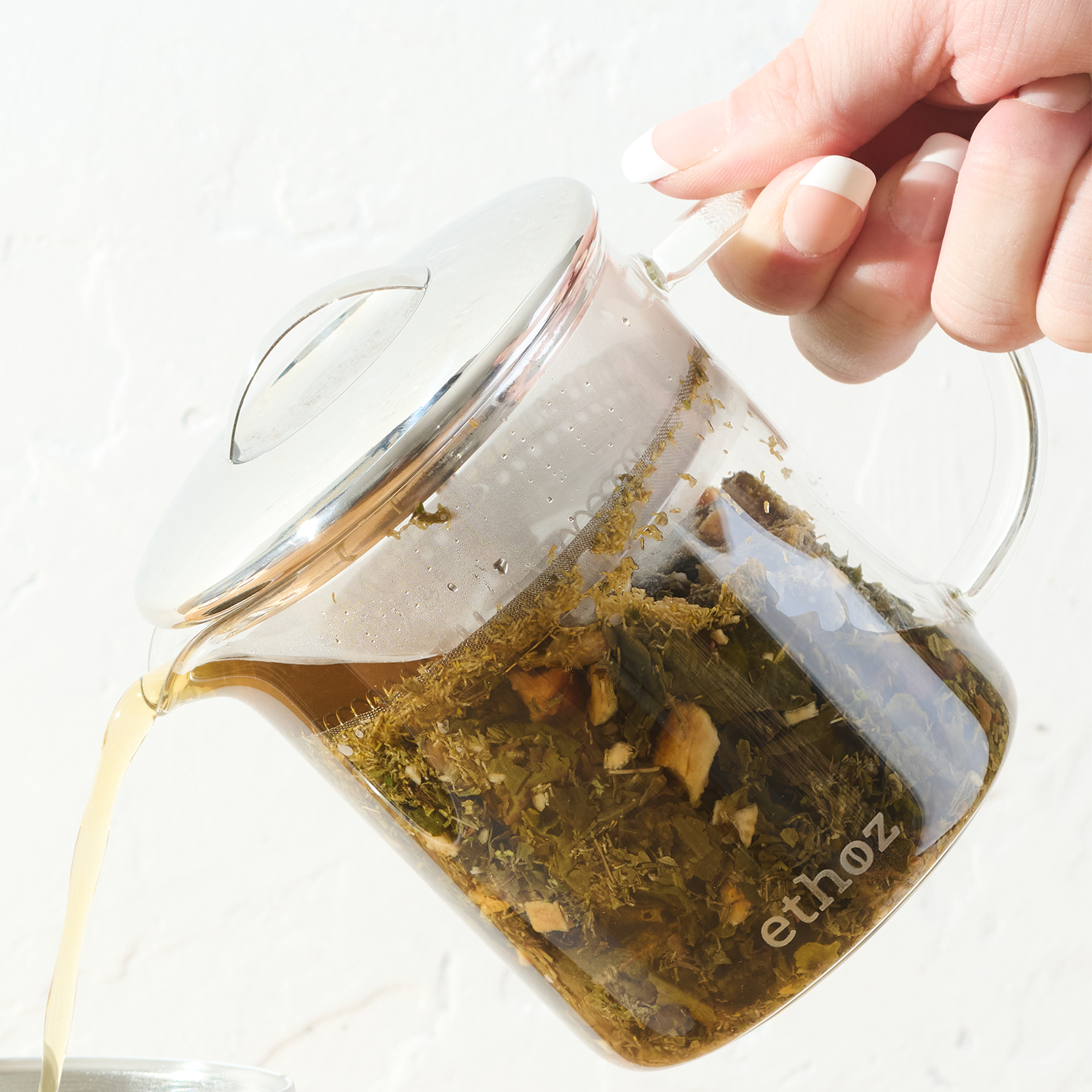


Coffee and Beer Brewing Essentials
Your kitchen, garage, or basement can become your personal brewery with the right setup. Indoor brewing covers everything from French press coffee to multi-gallon beer batches. You need equipment that handles daily use without failing, gear that keeps ingredients fresh, maintains proper temperatures, and stores securely between brew sessions.
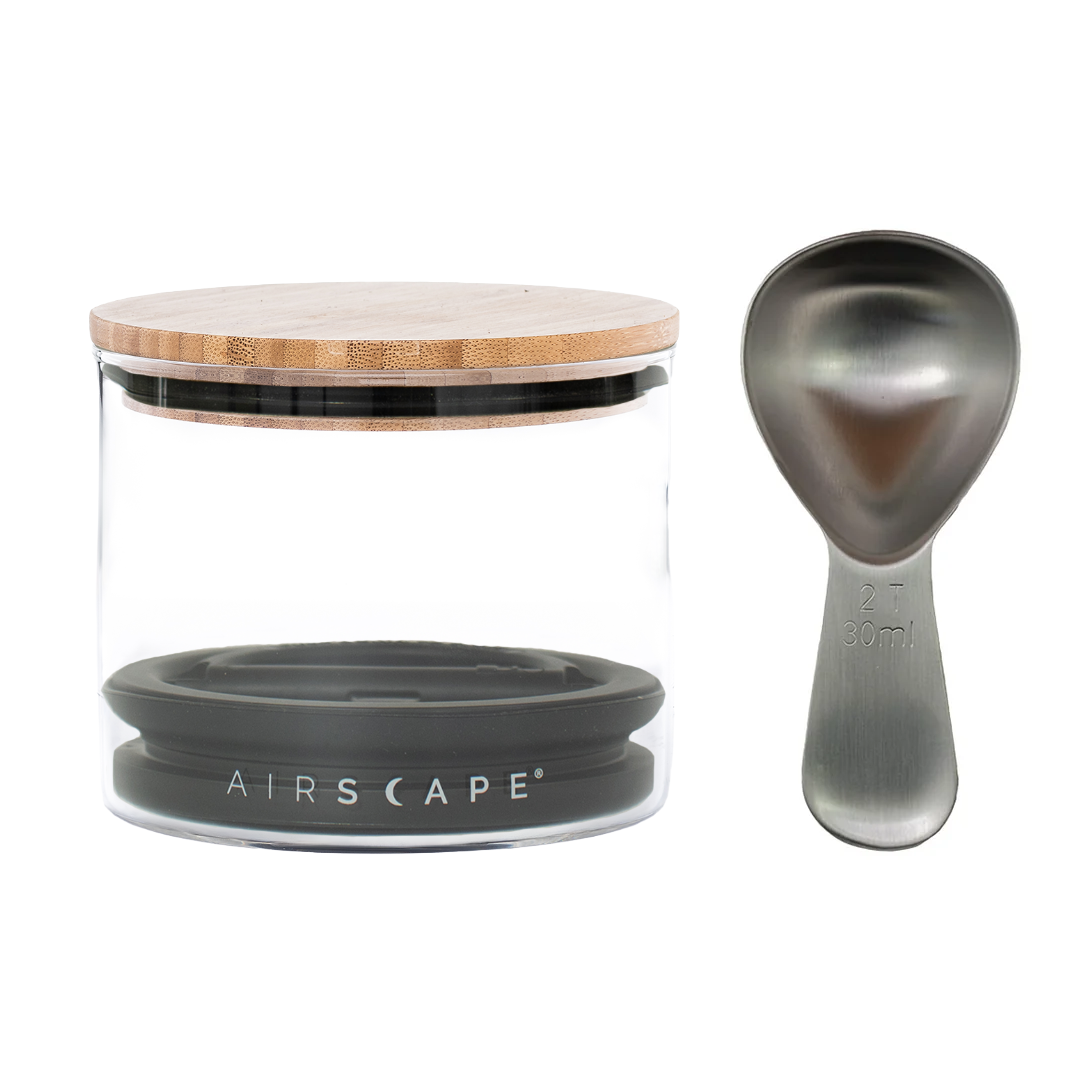
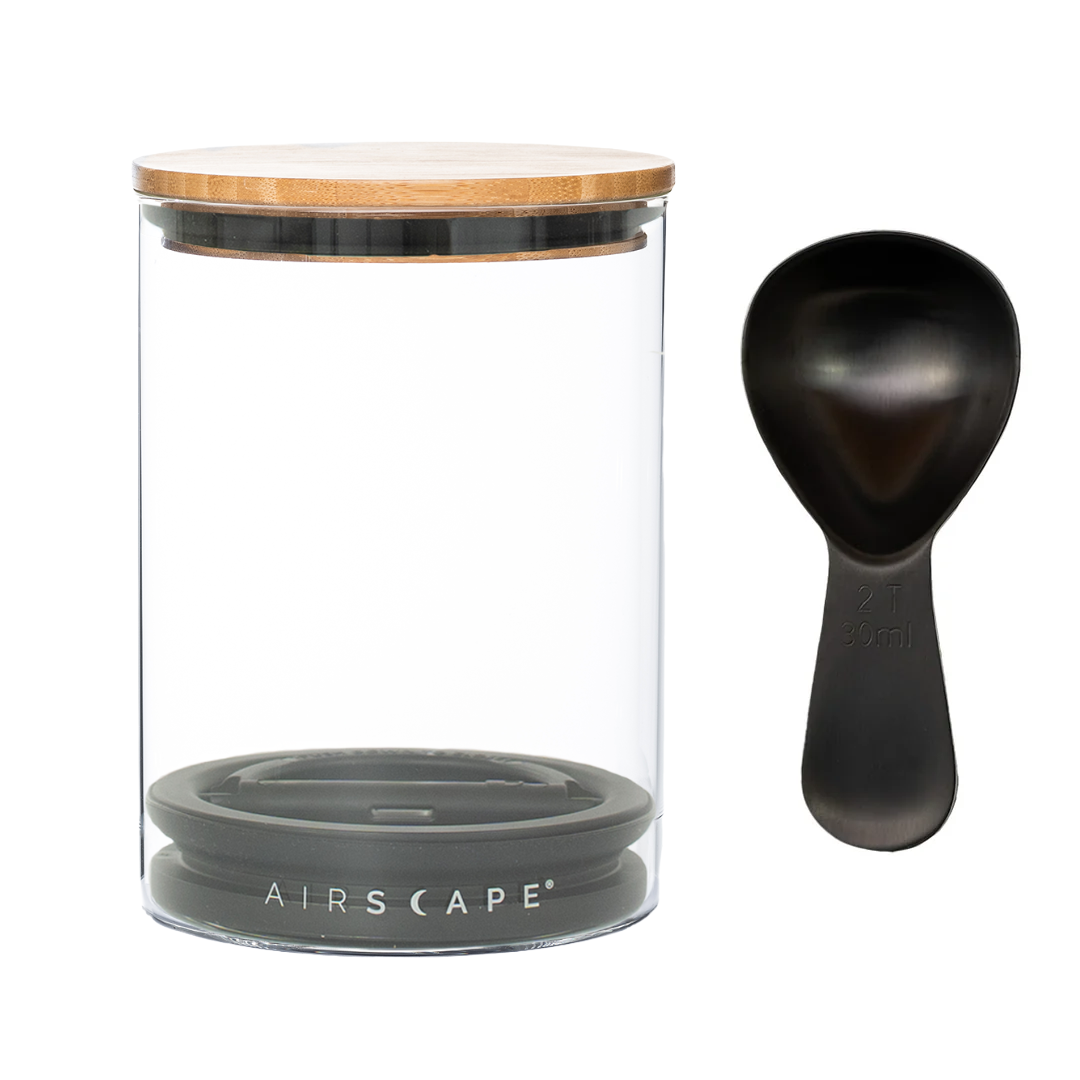
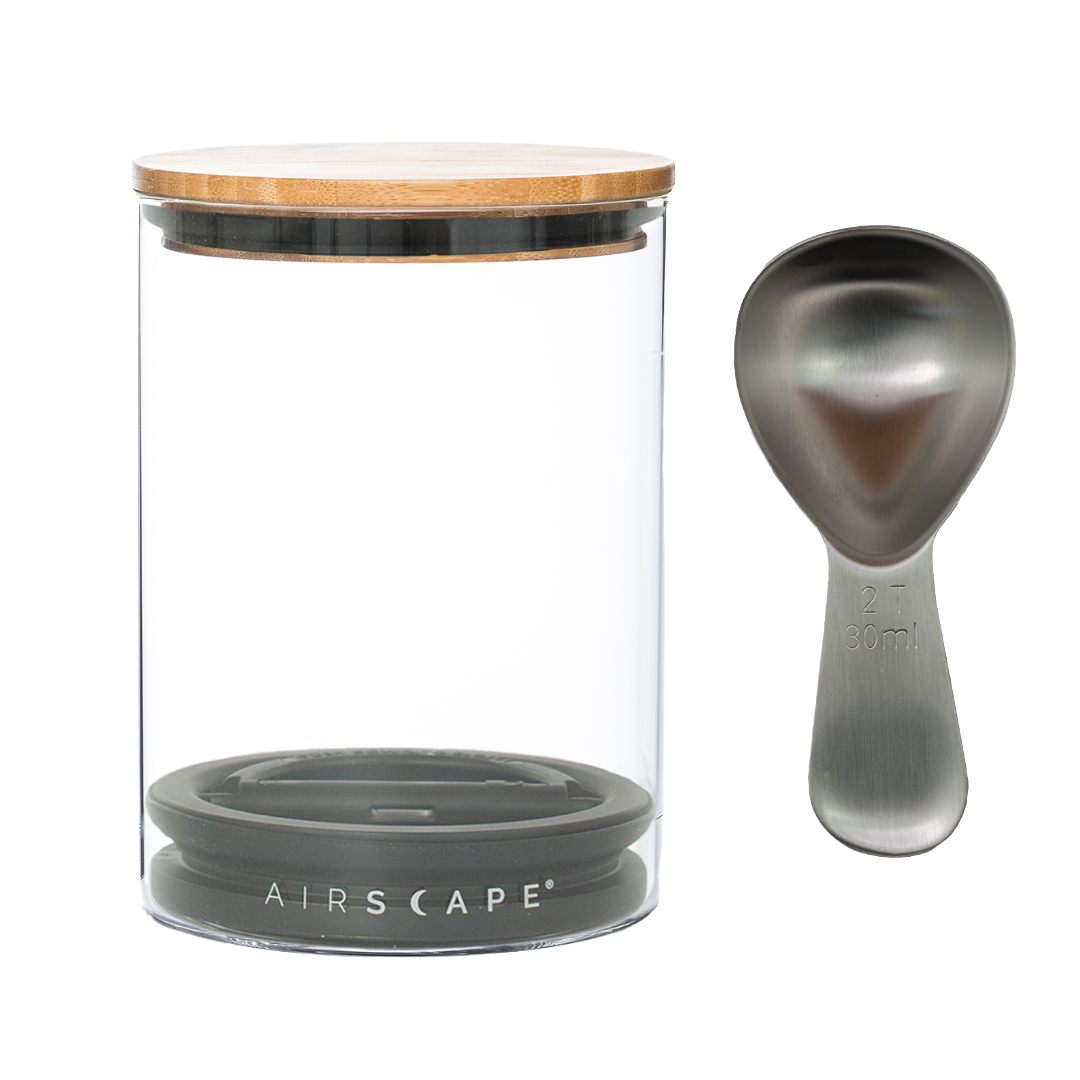
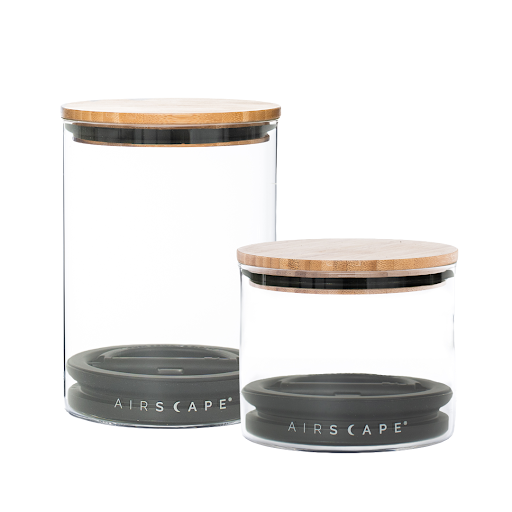
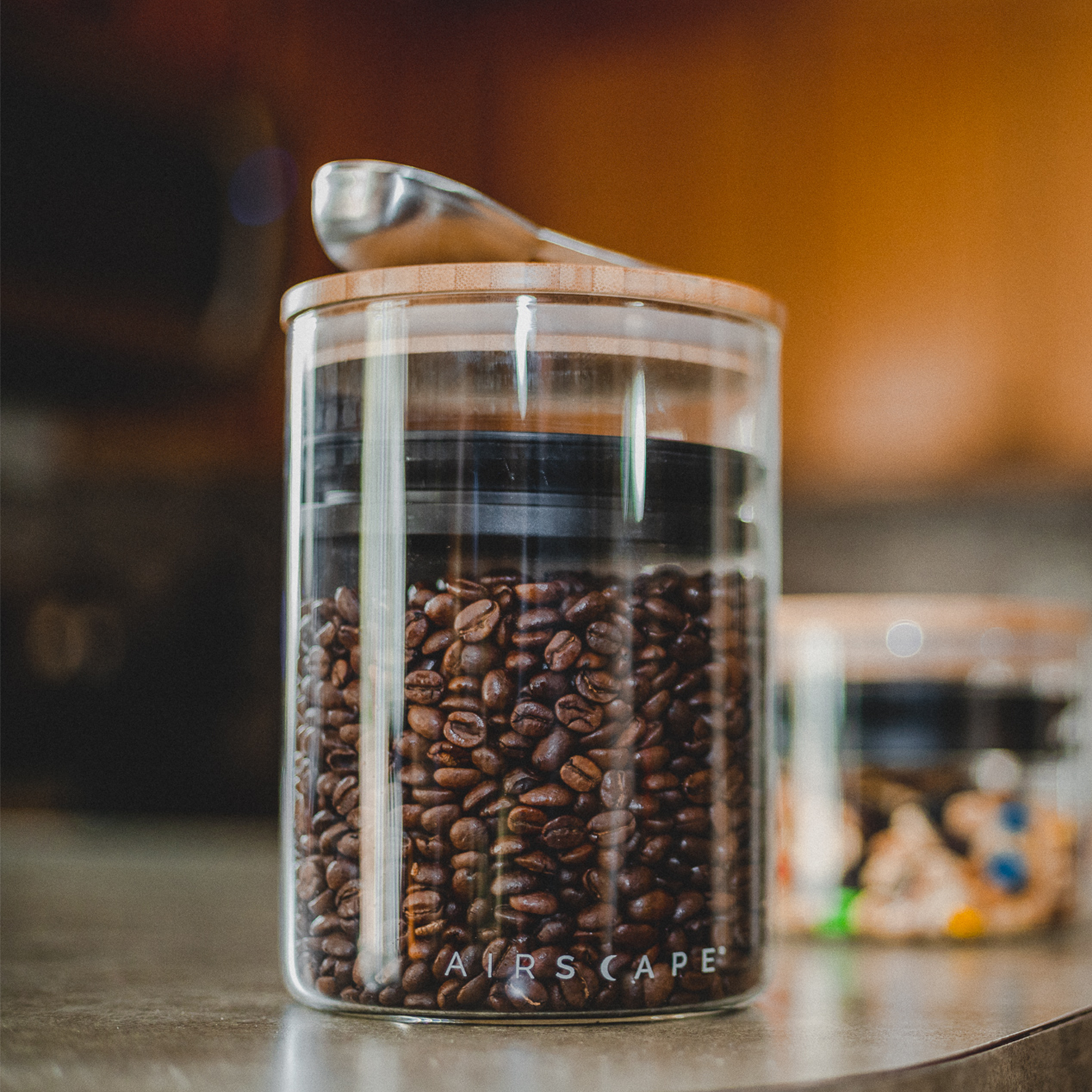
We've spent 15+ years designing brewing tools for Montana's backcountry, which means they're overbuilt for indoor use. The same Airscape® valve technology that protects coffee beans at 8,000 feet keeps your grain, yeast, and coffee fresh in your pantry. Patent-protected freshness systems aren't just for outdoor gear; they're essential for anyone serious about quality brewing at home.
Storage That Preserves Ingredients
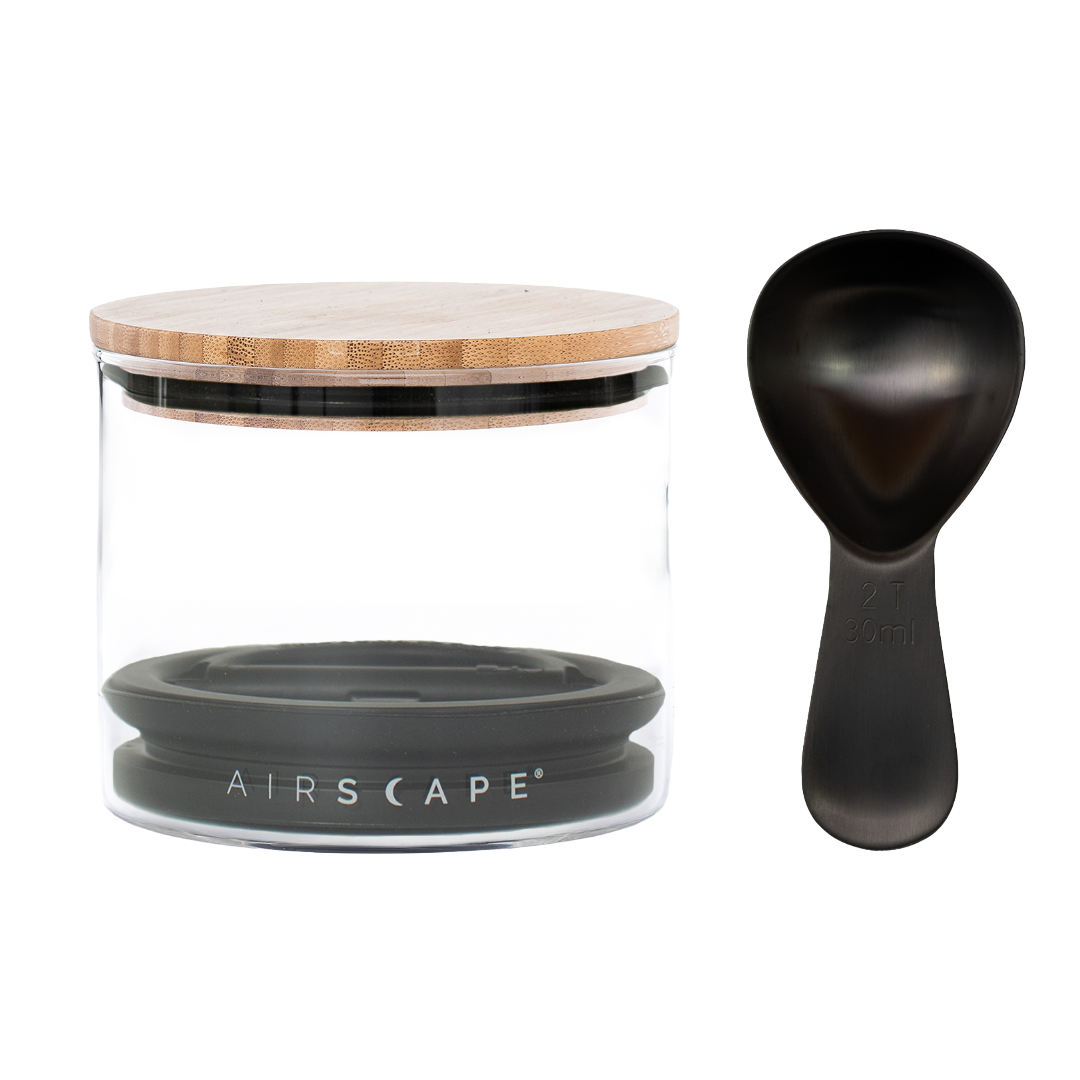
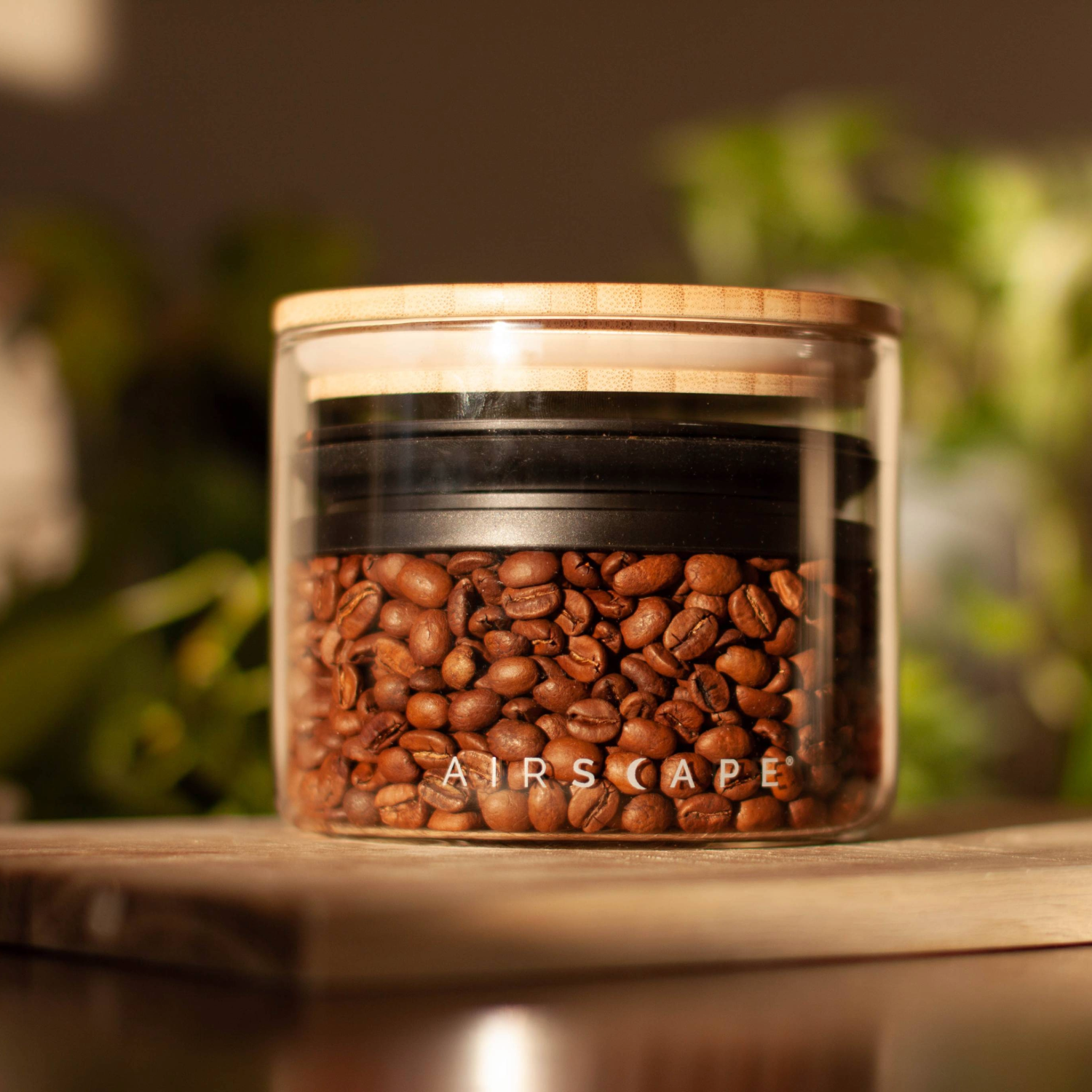
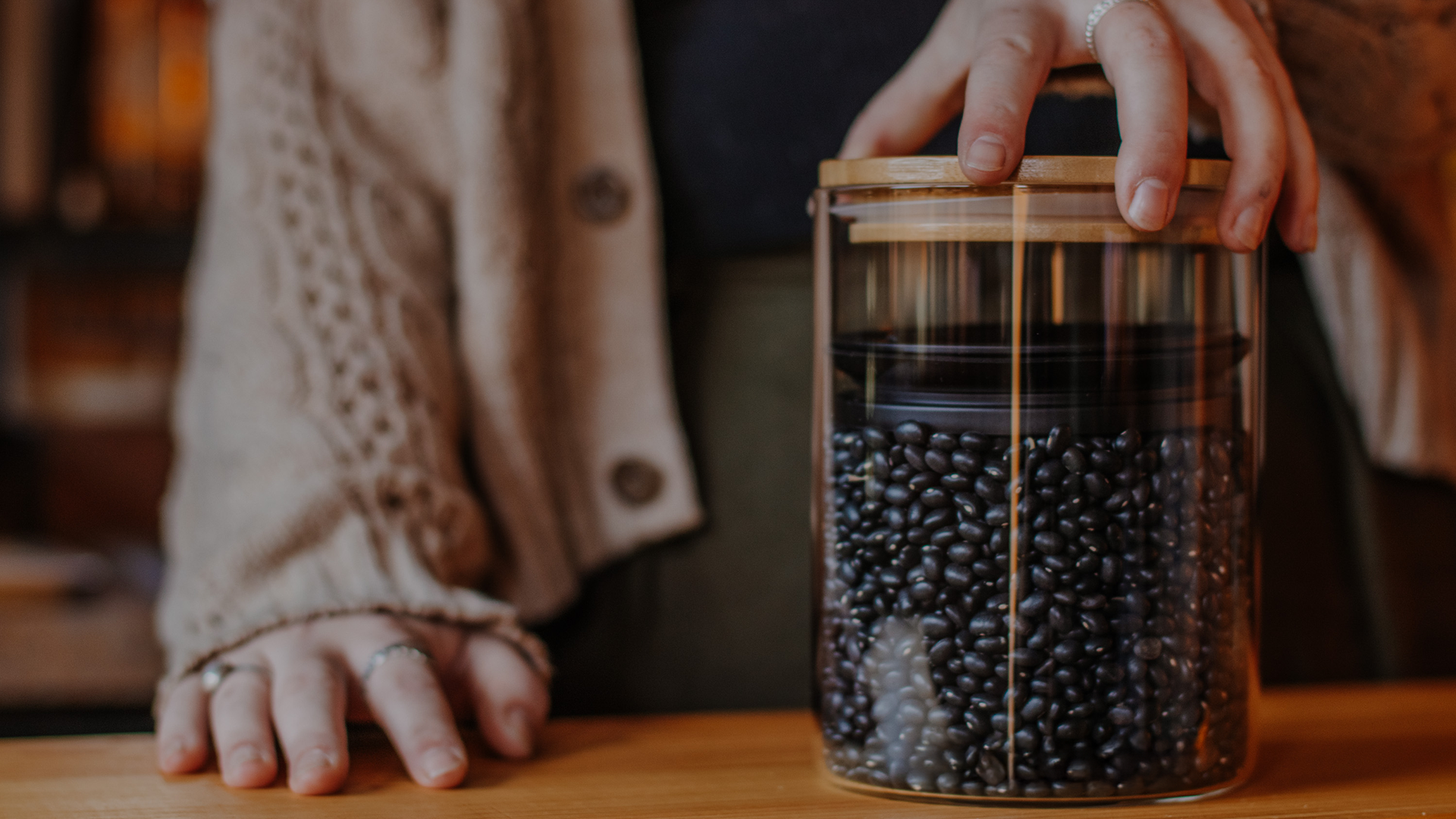
Stale coffee beans or oxidized grain ruin your brew before you start. Our Airscape® containers use a patented two-way valve system that removes air and locks out moisture. Press the lid down, push out oxygen, and your ingredients stay fresh for weeks. This works for whole-bean coffee, ground coffee, malted grain, hops, and even winemaking additives.
Standard containers let air circulate. Our valve system creates an actual seal against oxidation. You'll taste the difference in your first cup or bottle.
Starter Kits for New Brewers
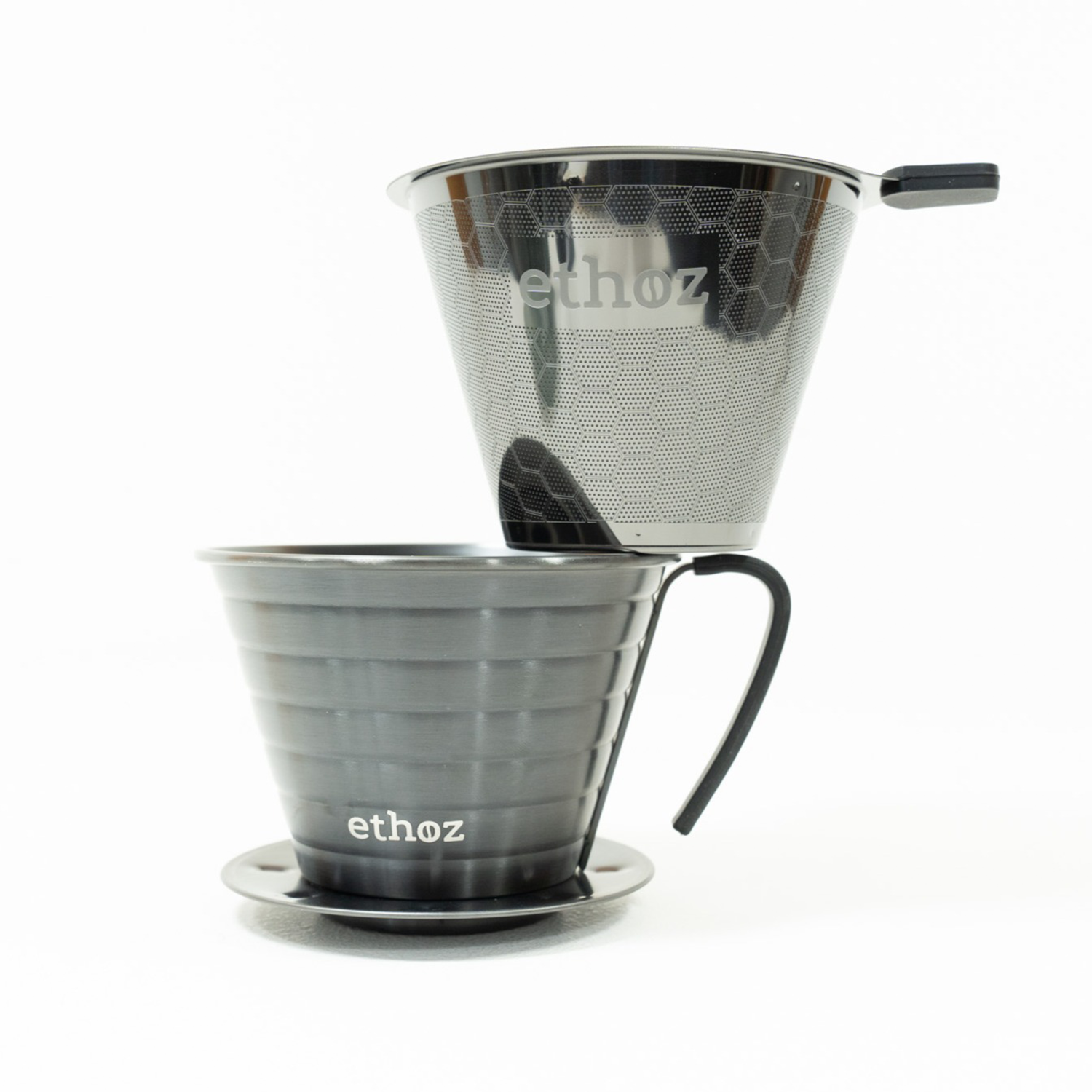
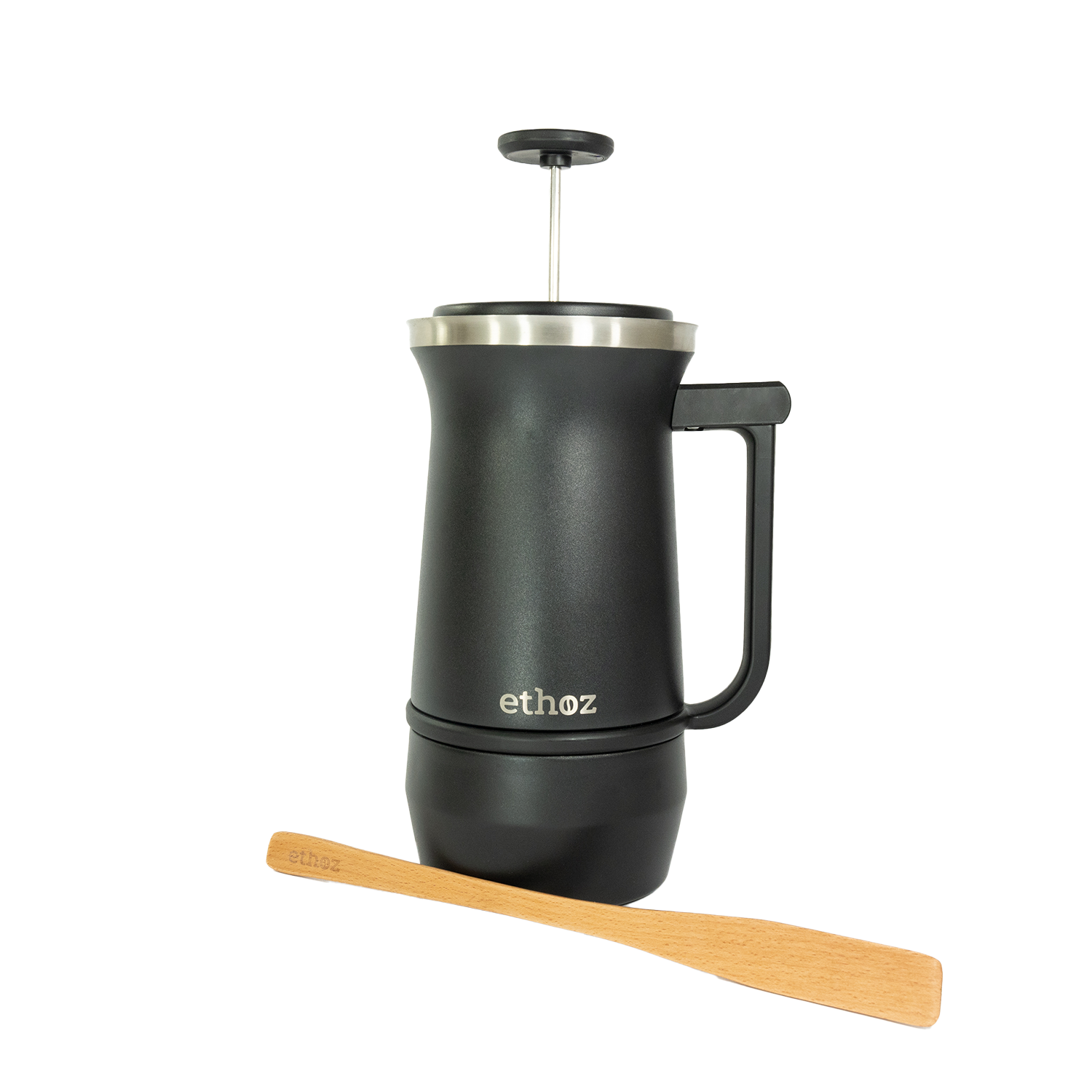
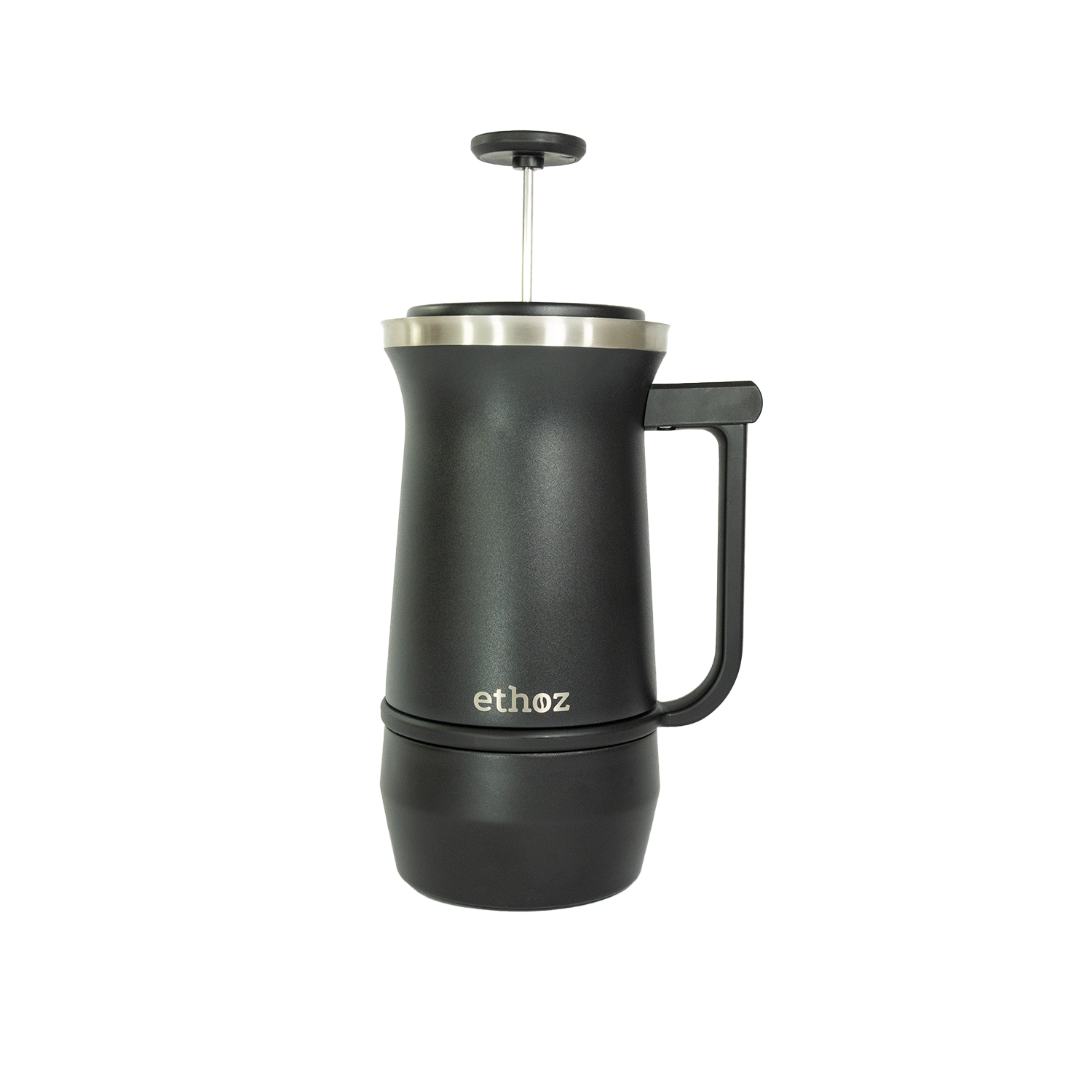
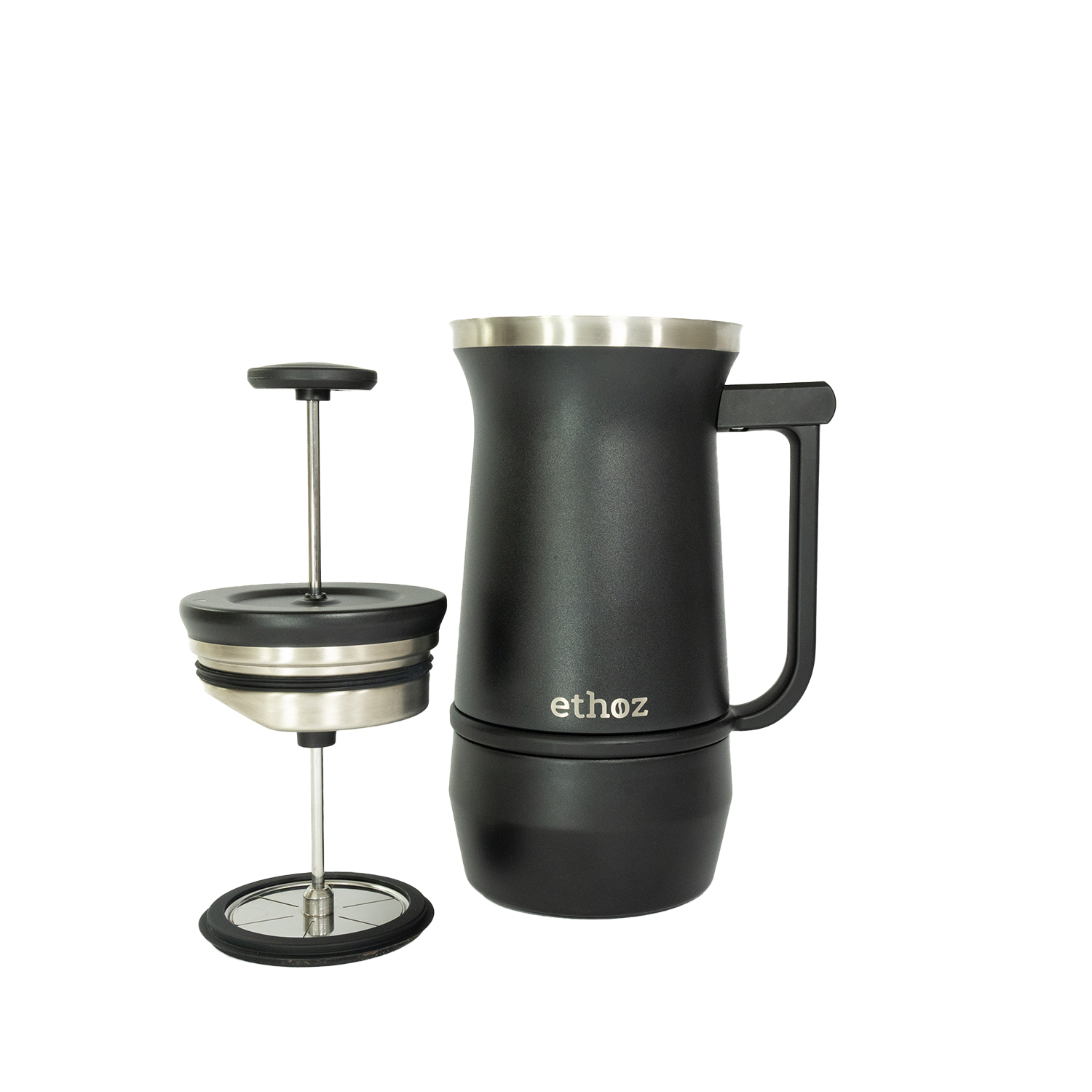
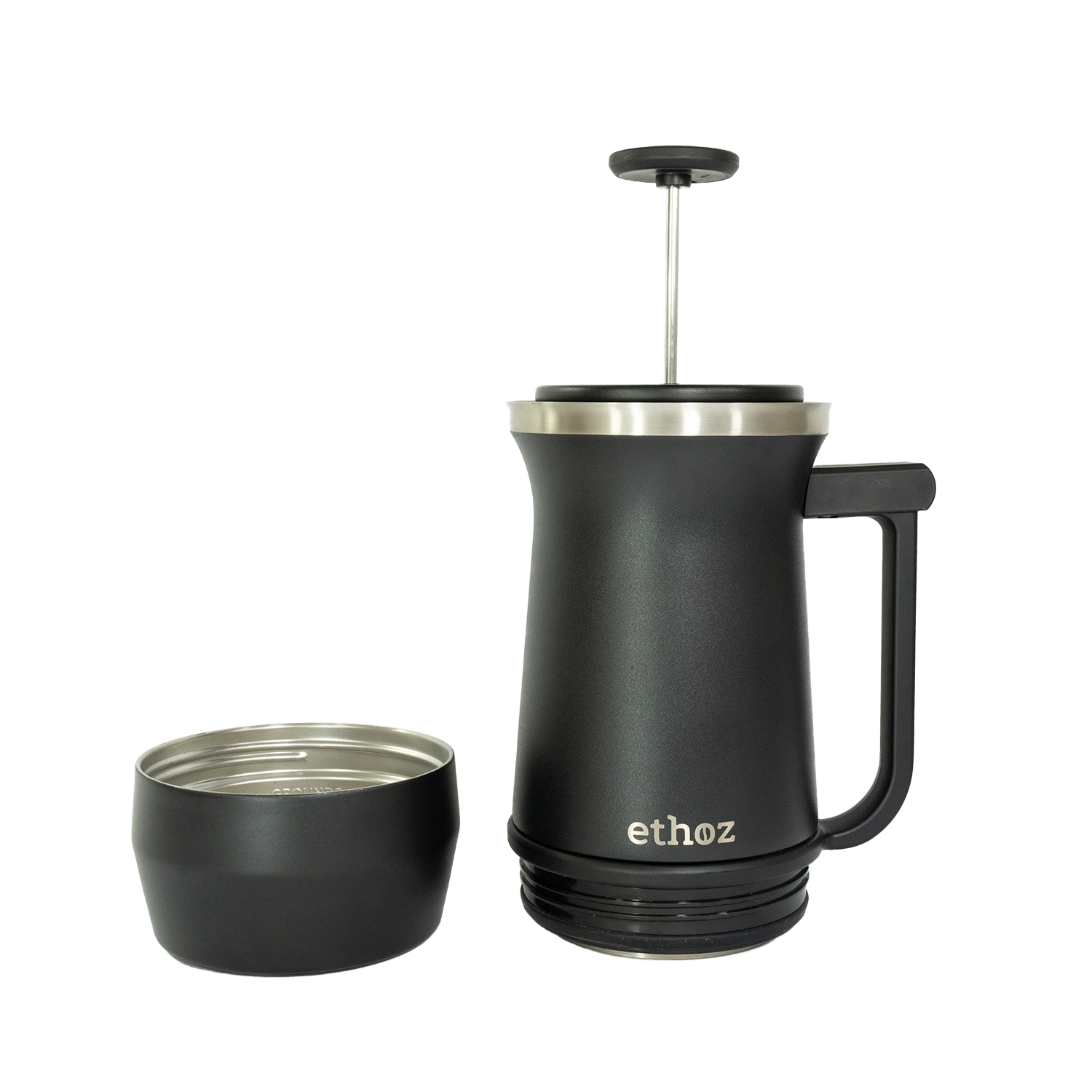
Starting home brewing doesn't require a full garage setup. Beginner beer kits include fermenting buckets, airlocks, bottle cappers, and recipe kits with pre-measured grain and yeast. Wine kits come with the same essentials, plus specific yeast strains for different varietals. Home french press coffee starts even simpler; a quality setup gets you craft-level results immediately.
Small batch brewing lets you test recipes without committing to five-gallon batches. Brew one gallon of beer, make two bottles of wine, or dial in your coffee recipe with 12-ounce batches. Learn the process before scaling up.
Equipment for Every Brewing Method
Different brewing methods need different tools. Beer brewing requires temperature control during fermentation, proper yeast handling, and equipment for bottling or kegging your finished product. Winemaking demands similar fermentation control, specific additives, and longer aging periods. Coffee brewing focuses on water temperature, extraction time, and grind consistency.
What they share: the need for clean equipment, fresh ingredients, and consistent technique. A home brewery in your garage needs ventilation for boiling wort. A coffee station on your counter needs reliable temperature control. Both benefit from airtight storage that keeps ingredients at peak freshness.
Beer and Wine Brewing Gear
Recipe kits simplify your first batches with pre-measured ingredients and step-by-step instructions. You'll still need fermenters, airlocks, hydrometers, and bottling equipment. Liquid yeast requires temperature control; too warm and you get off flavors, too cold and fermentation stalls. Draft systems and kegerators let you serve directly from kegs instead of bottling individual servings.
Grain storage matters for all-grain brewing. Malted barley loses freshness when exposed to air and humidity. Store it properly or your carefully planned recipe won't hit target flavors.
Coffee Brewing Tools
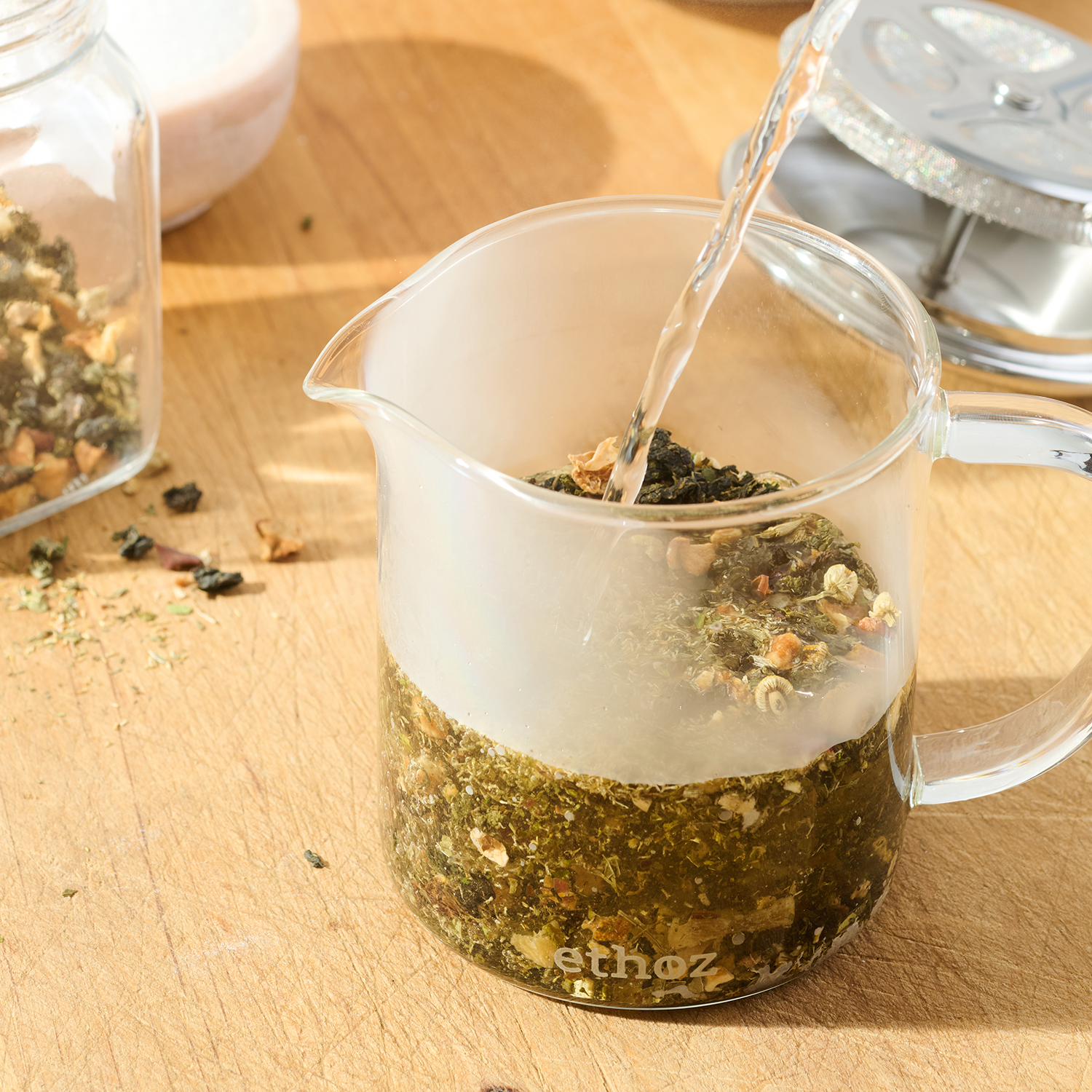
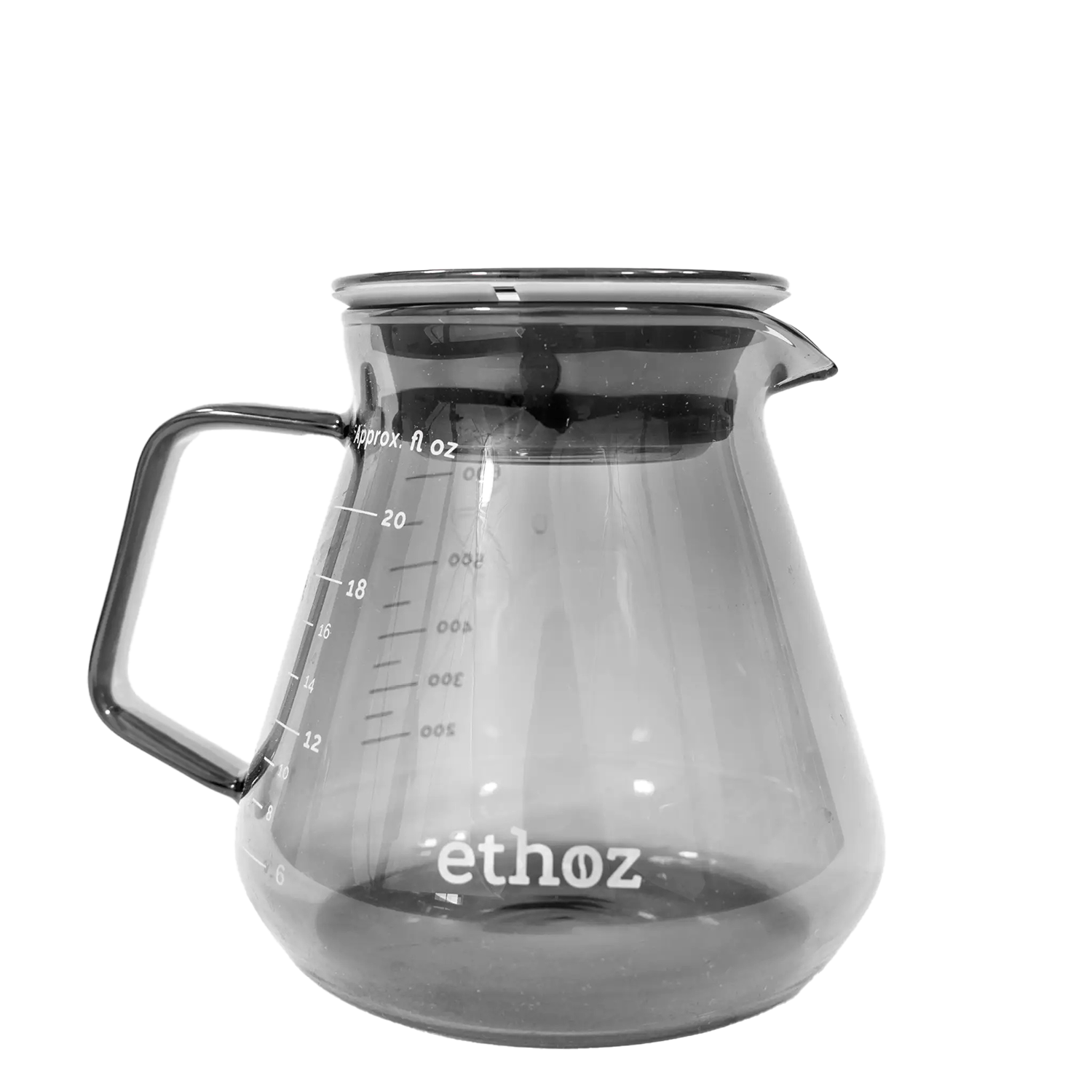
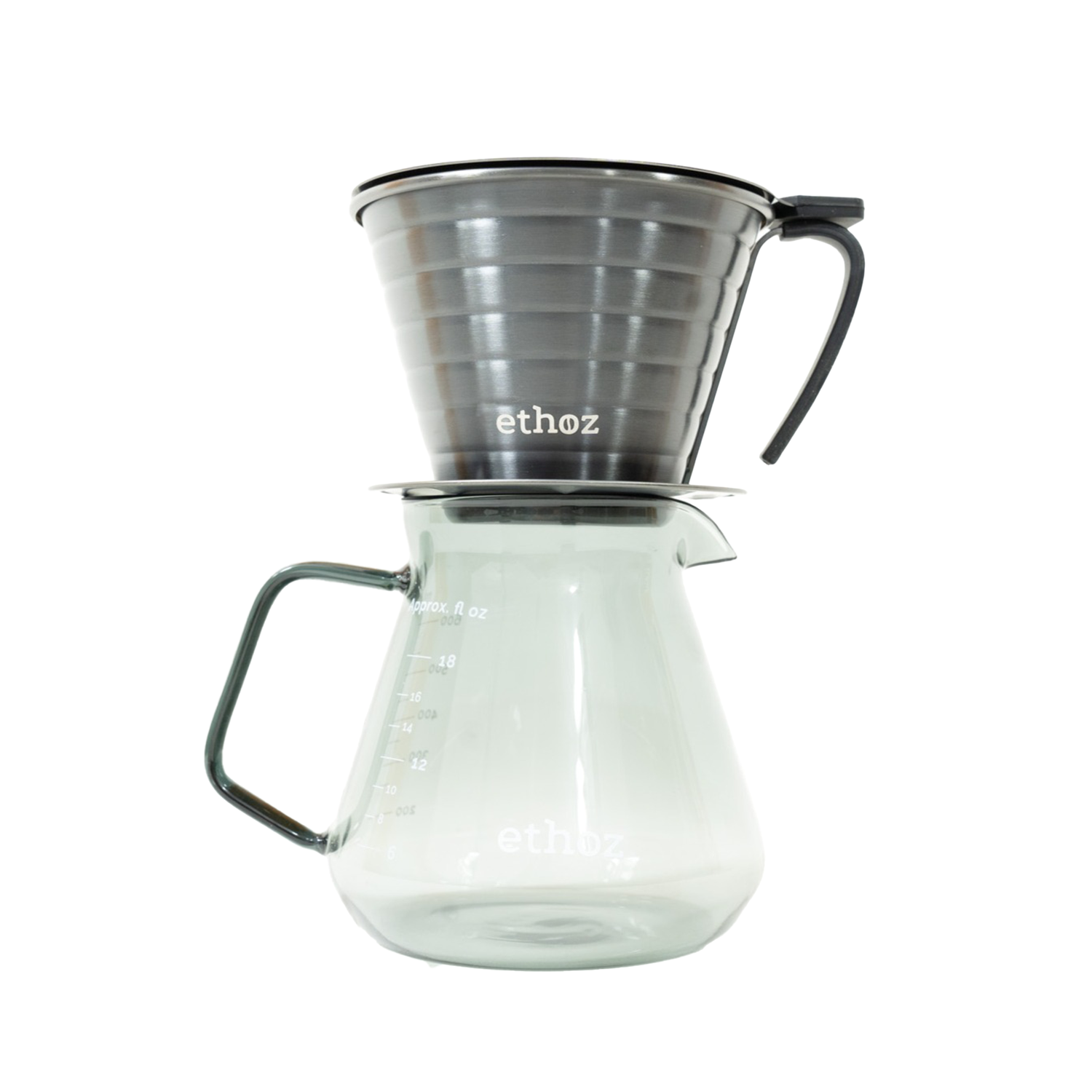
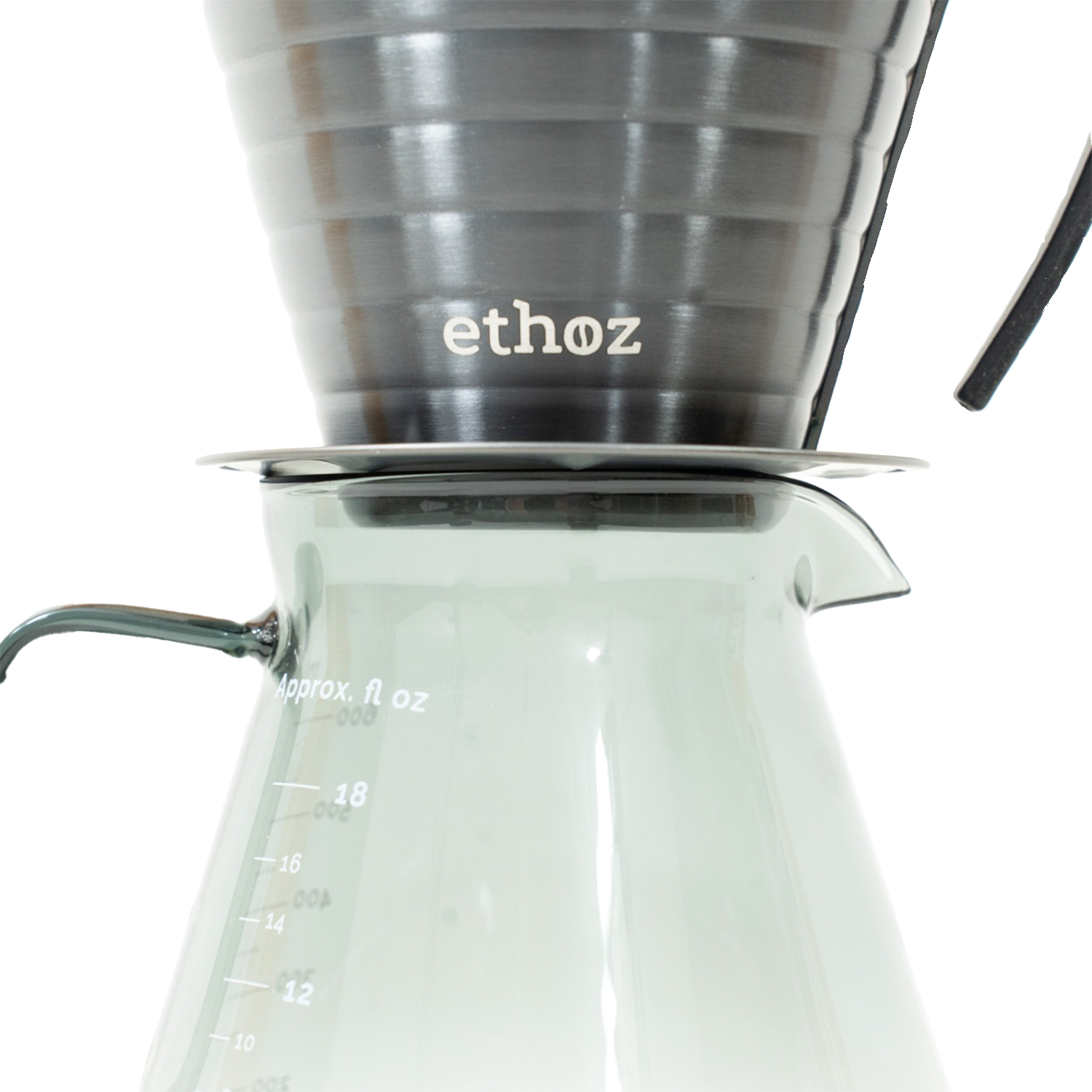
Quality coffee starts with fresh beans stored correctly. Our containers protect your beans from the four enemies of freshness: air, moisture, heat, and light. Grind right before brewing, use water just off boil (195-205°F), and match your grind size to your brewing method. Coarse for French press, medium for pour-over, fine for espresso.
The same attention to detail that makes craft beer exceptional applies to coffee. Control your variables, keep ingredients fresh, and you'll brew better than most cafes.
Building Your Indoor Brewing Setup
Start with what you'll use most. Coffee drinkers need fresh bean storage and a reliable brewing method. Beer brewers need fermentation space with stable temperatures; a garage or basement works better than a kitchen with fluctuating heat. Winemakers need similar space and patience for longer aging cycles.
Your setup grows with your skills. Begin with starter kits and basic equipment. Add specialty tools as you refine your process. A simple French press coffee routine can expand into pour-over, cold brew, or espresso. A basic beer kit can evolve into all-grain brewing with custom recipes.
Space and Ventilation Planning
Beer brewing generates steam during the boil and CO2 during fermentation. Your garage or kitchen needs adequate ventilation; crack a window or run a fan. Fermentation happens at room temperature for ales (65-75°F) or cooler for lagers (45-55°F). Find a space that maintains consistent temperatures without daily swings.
Coffee brewing takes minimal space but benefits from dedicated storage. Keep beans away from your stove, dishwasher, and windows. Room temperature and darkness preserve freshness better than refrigeration, which introduces moisture.
Making Better Batches
Consistency comes from controlling variables. Use the same water source, measure ingredients precisely, and track your process. Beer and wine brewers keep logs of recipes, temperatures, and fermentation times. Coffee brewers note grind settings, water temps, and brew ratios. Small adjustments make big differences.
Every purchase you make supports our Conservation Alliance partnership, which protects wild places like the Boundary Waters. Your brewing gear helps fund concrete environmental action, not vague sustainability claims. Shop our indoor brewing collection and start making better coffee, beer, or wine at home today.