














Why Manual Pour Over Delivers Better Coffee
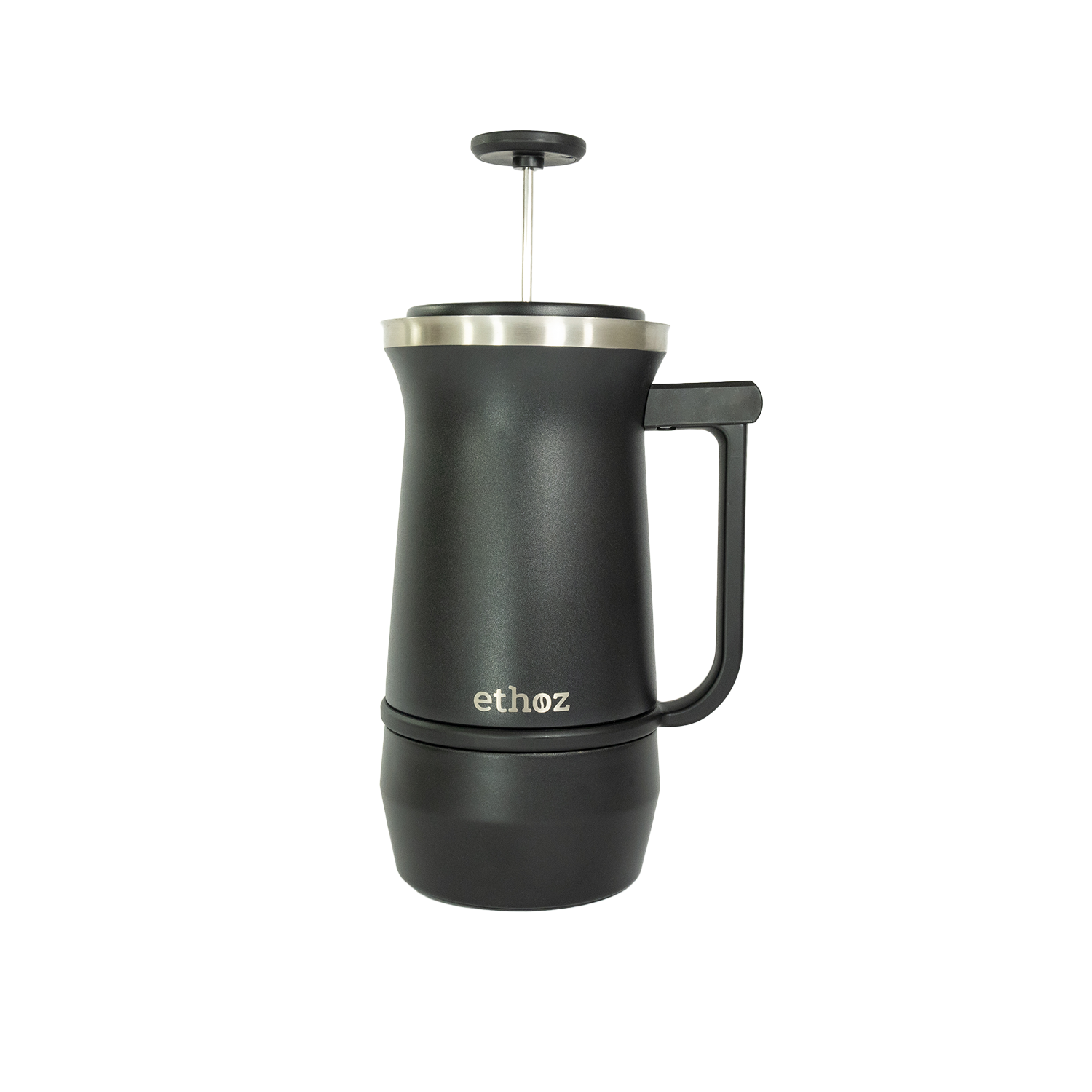
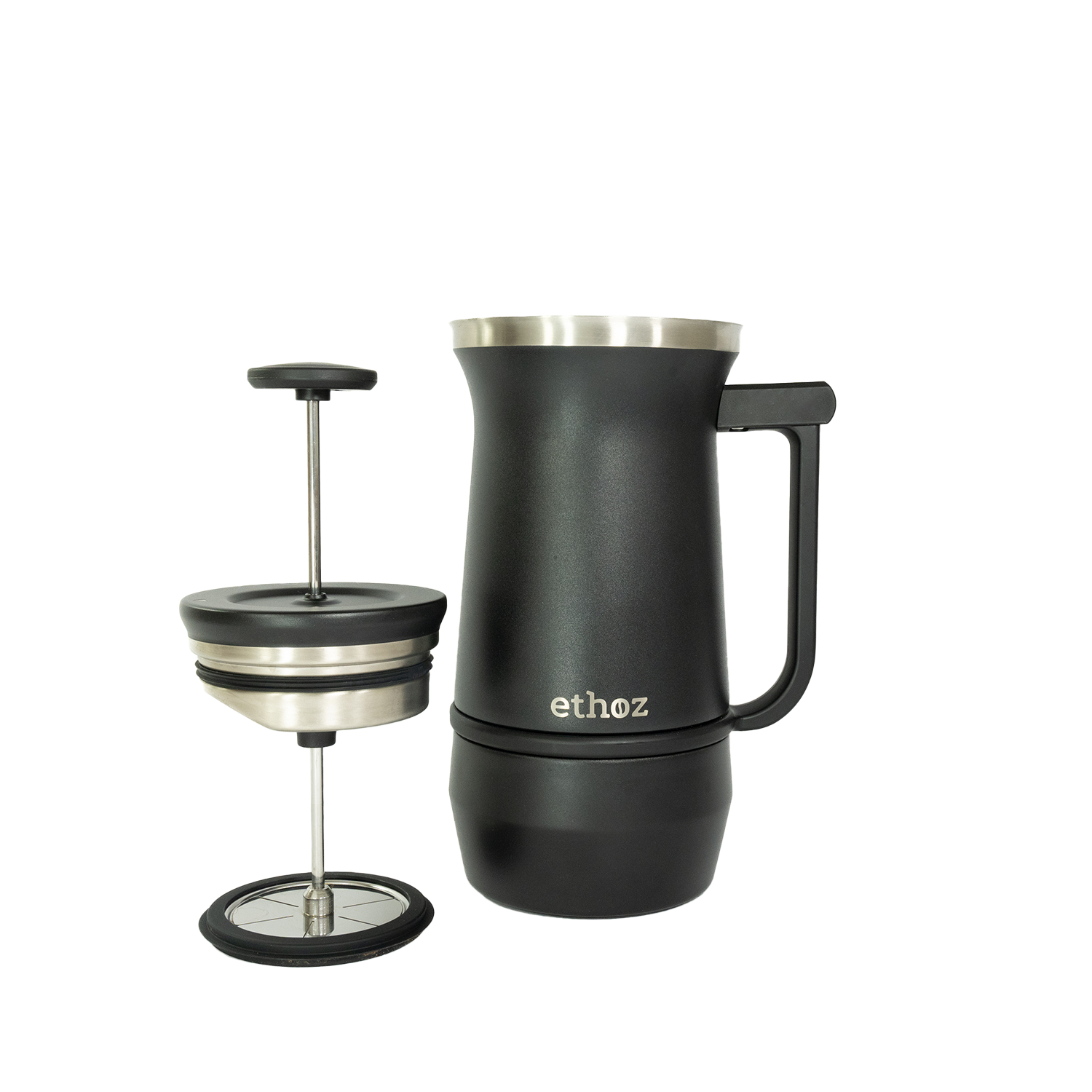
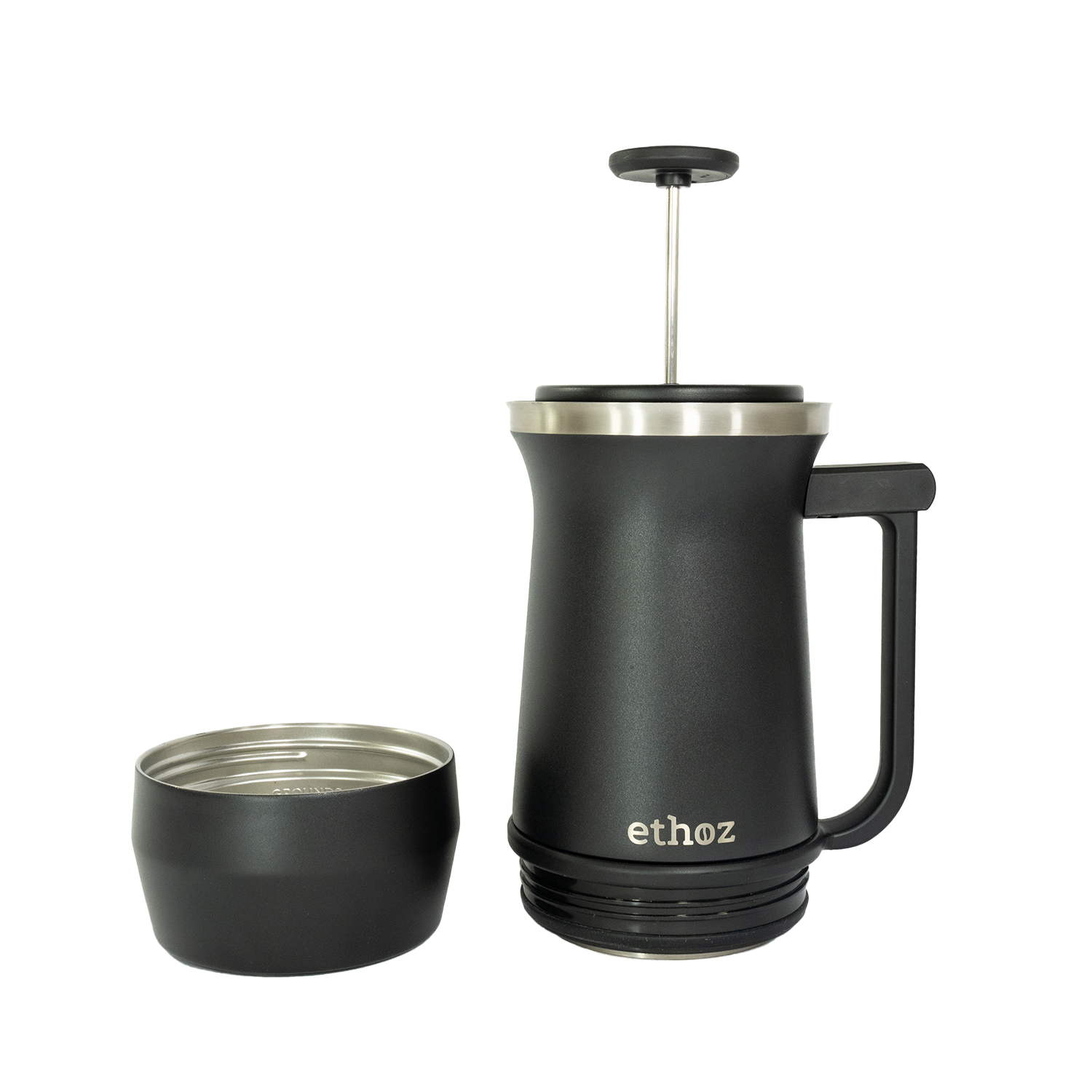
A manual pour over coffee maker puts you in charge of every variable that shapes flavor. You control water temperature, pour rate, and saturation, the three factors that determine whether your cup tastes balanced or bitter. Unlike drip machines that rush water through grounds unevenly, manual brewing lets you wet every particle at the same pace. The result: fuller extraction, clearer flavor, and no burnt or sour notes from overheated or under-extracted grounds. It's part of the ethoz® collection and one of the styles in our full range of pour-over coffee makers.
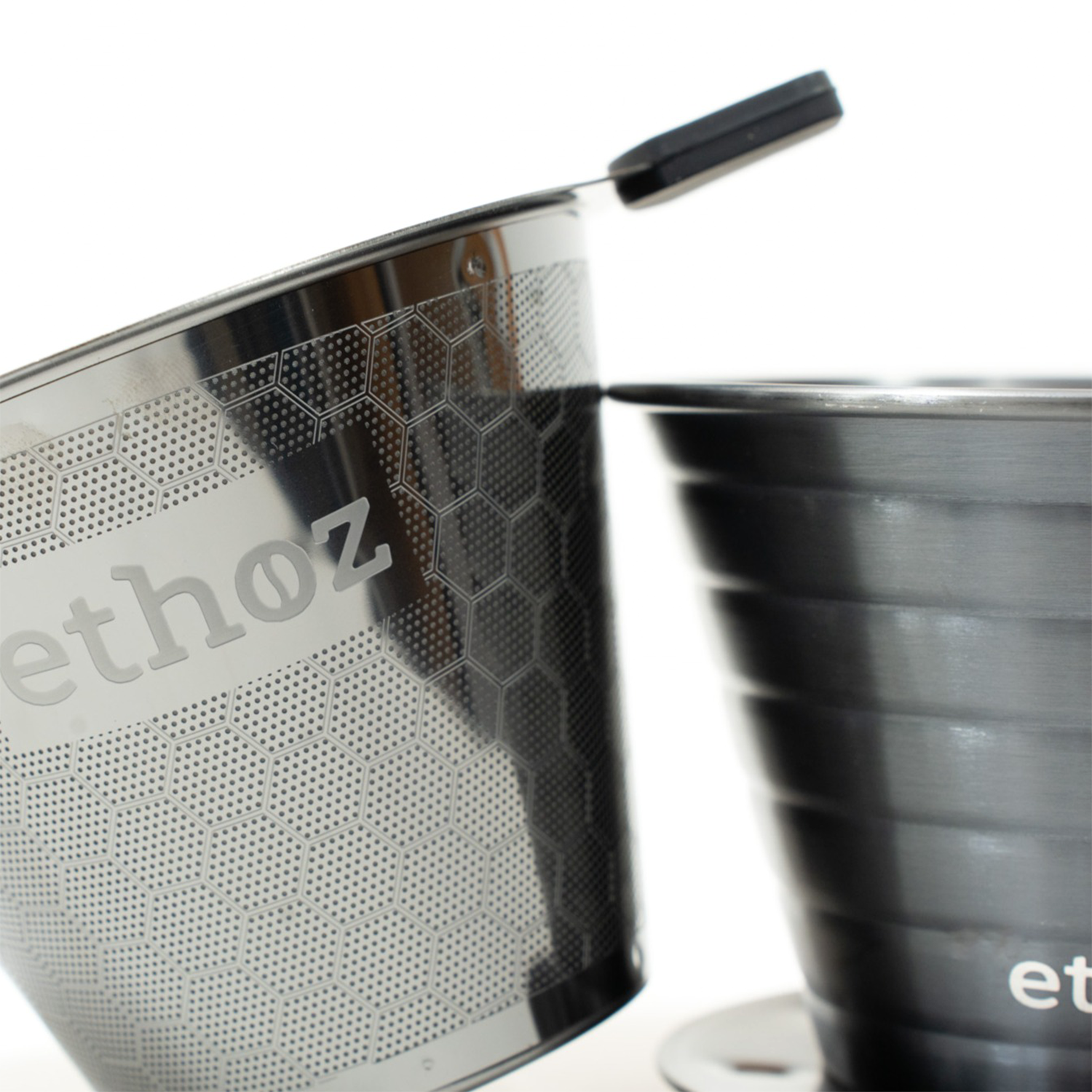
Manual brewing also means zero single-use waste when you pair it with reusable stainless steel filters. Paper filters trap coffee oils for a lighter, tea-like cup. Metal mesh lets those oils through for fuller body, closer to a French press. Neither choice is wrong. It's a texture preference, and switching between them teaches you what you actually like.
Glass Versus Stainless Steel Construction
Borosilicate glass carafes handle thermal shock without cracking when near-boiling water hits cold glass. They don't retain odor or stain, so you can brew coffee one morning and tea the next without flavor carryover. Glass belongs on a countertop where you can watch the bloom and control the pour. For camping or travel, stainless steel survives drops and temperature swings that would shatter glass. Insulated stainless walls hold heat through the brew, which matters in cold weather when a glass carafe loses temperature fast. See our glass pour-over coffee makers for the countertop option.
Grind Size and Ratio Basics
Start with a medium grind, finer than French press, coarser than espresso. Too coarse drains fast and tastes thin and sour. Too fine clogs the filter and over-extracts into bitterness. Use roughly 2 tablespoons of coffee per 8 ounces of water (a 1:15 ratio), then adjust to taste. Consistent ratios matter more than perfect precision. If your cup tastes weak, add more coffee or slow your pour. If it's bitter, coarsen the grind or speed up.
Brewing Technique That Actually Works
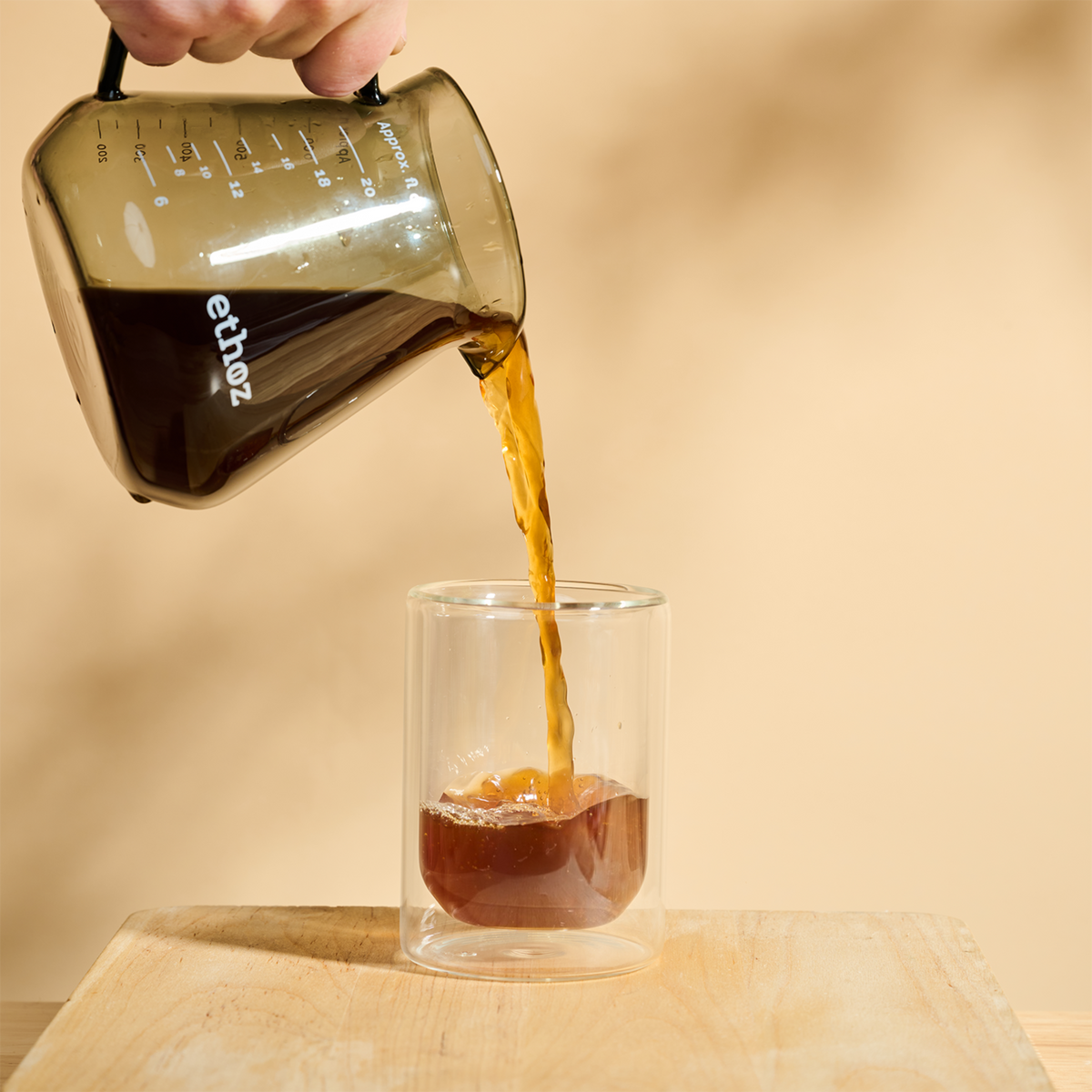
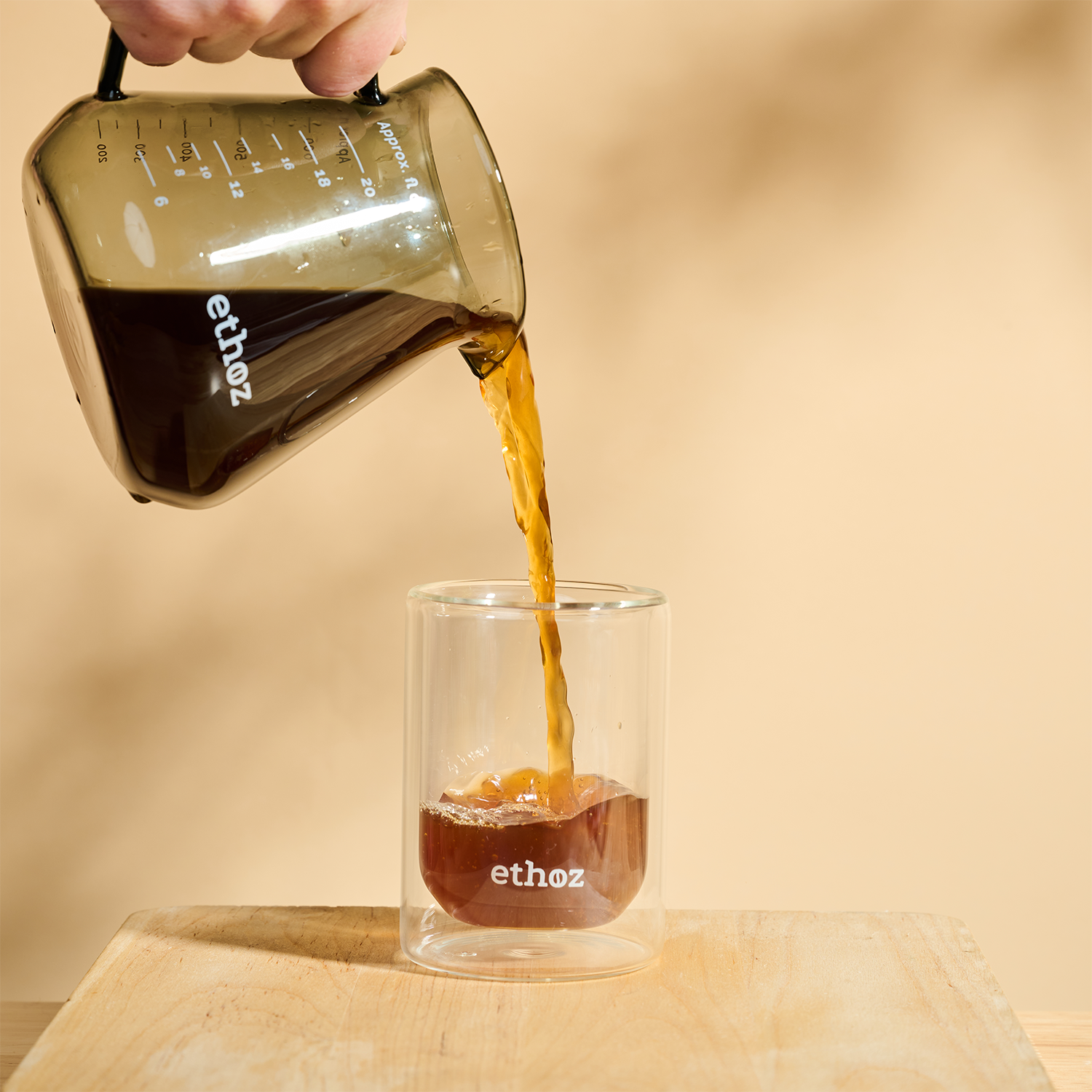
Heat water to about 195 to 205°F. Boiling water scorches grounds, so let your kettle sit 30 seconds after it comes off the heat. Pour slowly in a circular motion, wetting all grounds evenly. Dry pockets don't extract, and channels drain too fast. A gooseneck spout gives you flow control: a narrow, directed stream instead of a splashing flood. Without one, pour from a lower height and go slow. The goal is even saturation, not speed.
How Reusable Filters Compare to Paper
Most cone drippers take standard paper filters. Reusable stainless steel mesh filters eliminate single-use waste and last as long as the brewer. The trade-off is body, not just sustainability. Metal mesh allows more oils through than paper filters, so you get a fuller-bodied cup with more texture. Paper traps those oils for a cleaner, lighter brew. Both work. It's a matter of whether you want clarity or richness. Switching between them costs nothing and teaches you what your palate prefers.
Supplies and Accessories You'll Use
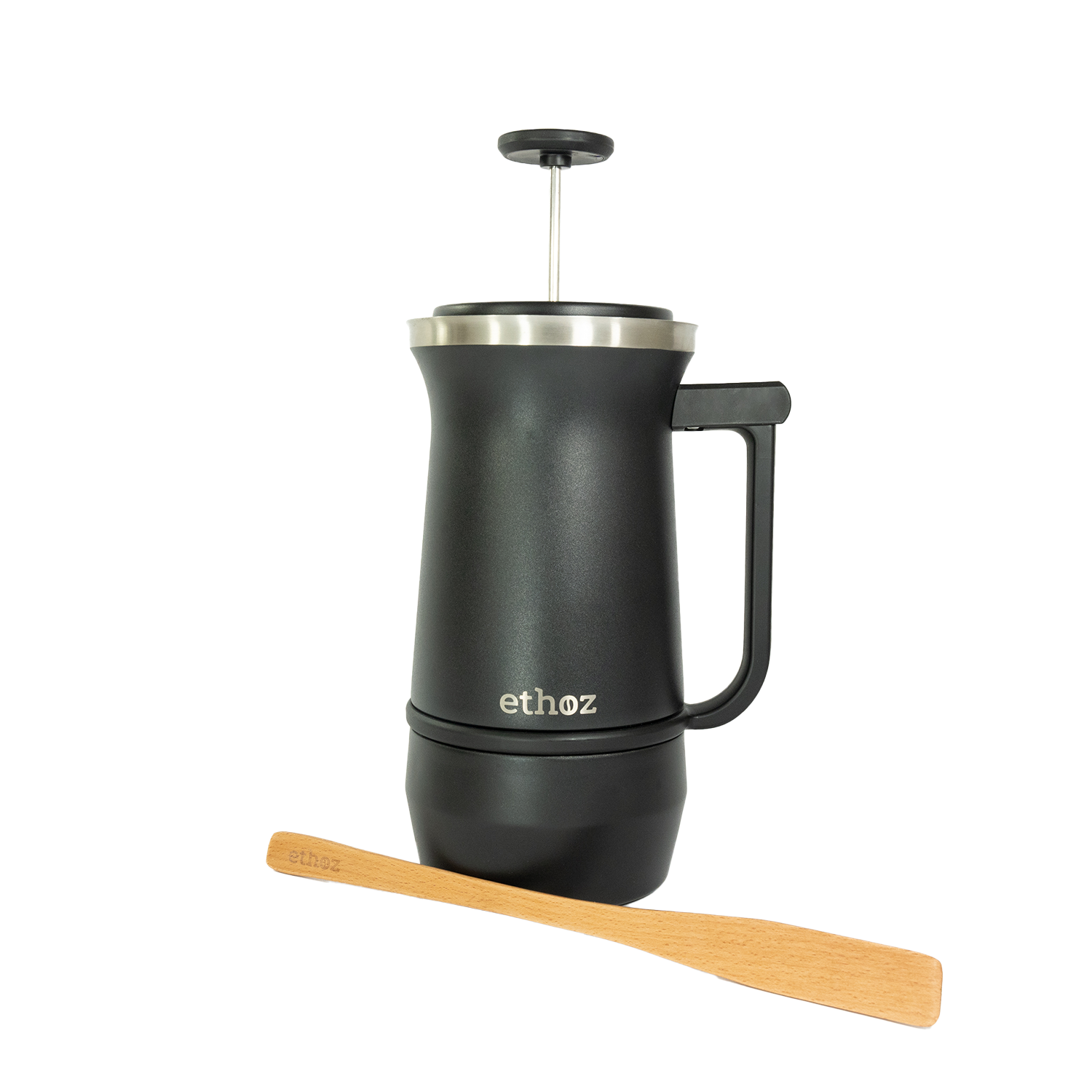
A scale helps dial in your ratio if you're chasing consistency. A hand grinder lets you grind fresh at camp or at home without electricity. Ceramic drippers hold heat better than plastic and clean easily in the dishwasher. If you're comparing brewing methods, pour-over gives you the most control over agitation, temperature, and timing. French press is faster and requires less attention. The manual brewing process that allows control is what makes pour-over worth the extra two minutes.
Choosing the Right Manual Brewer
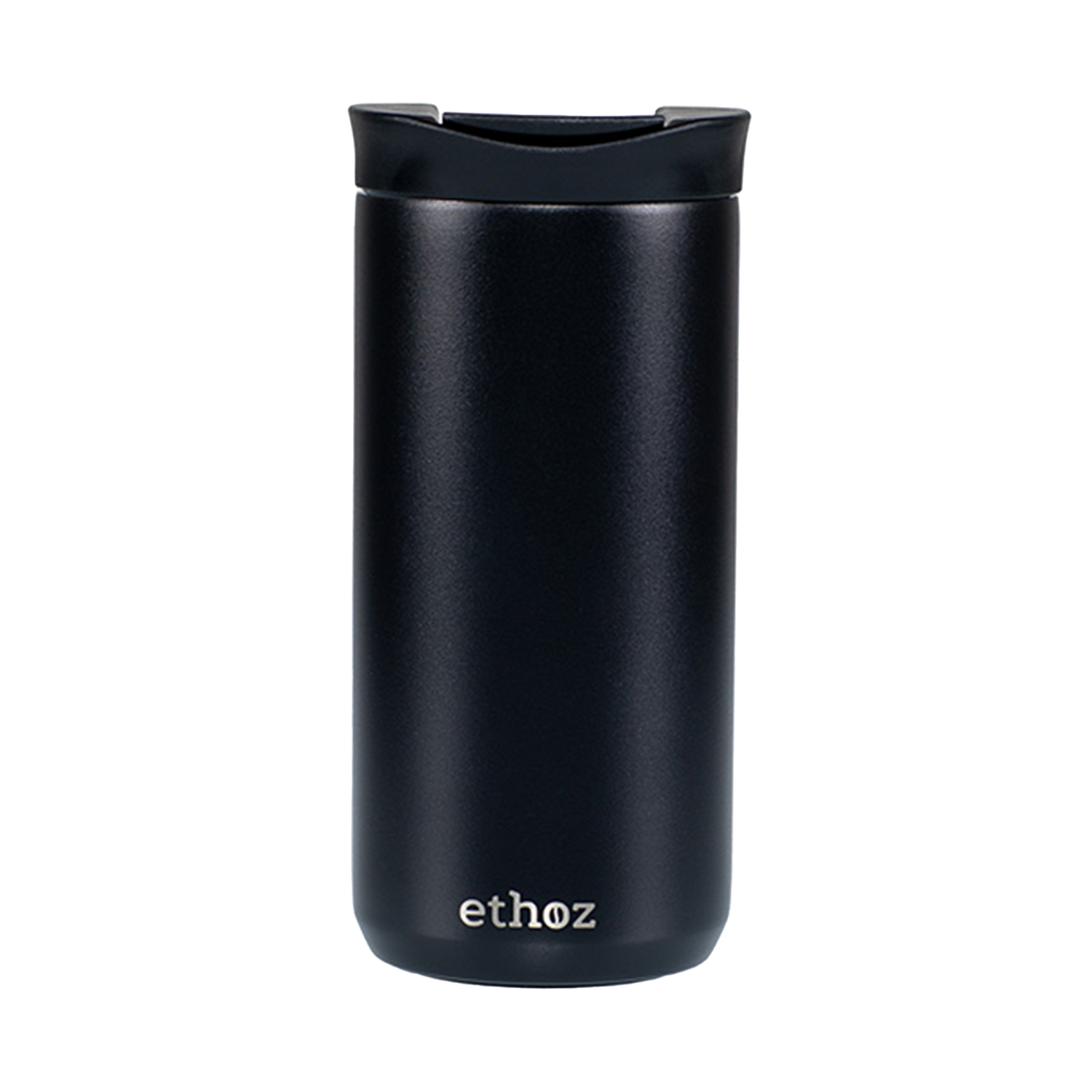
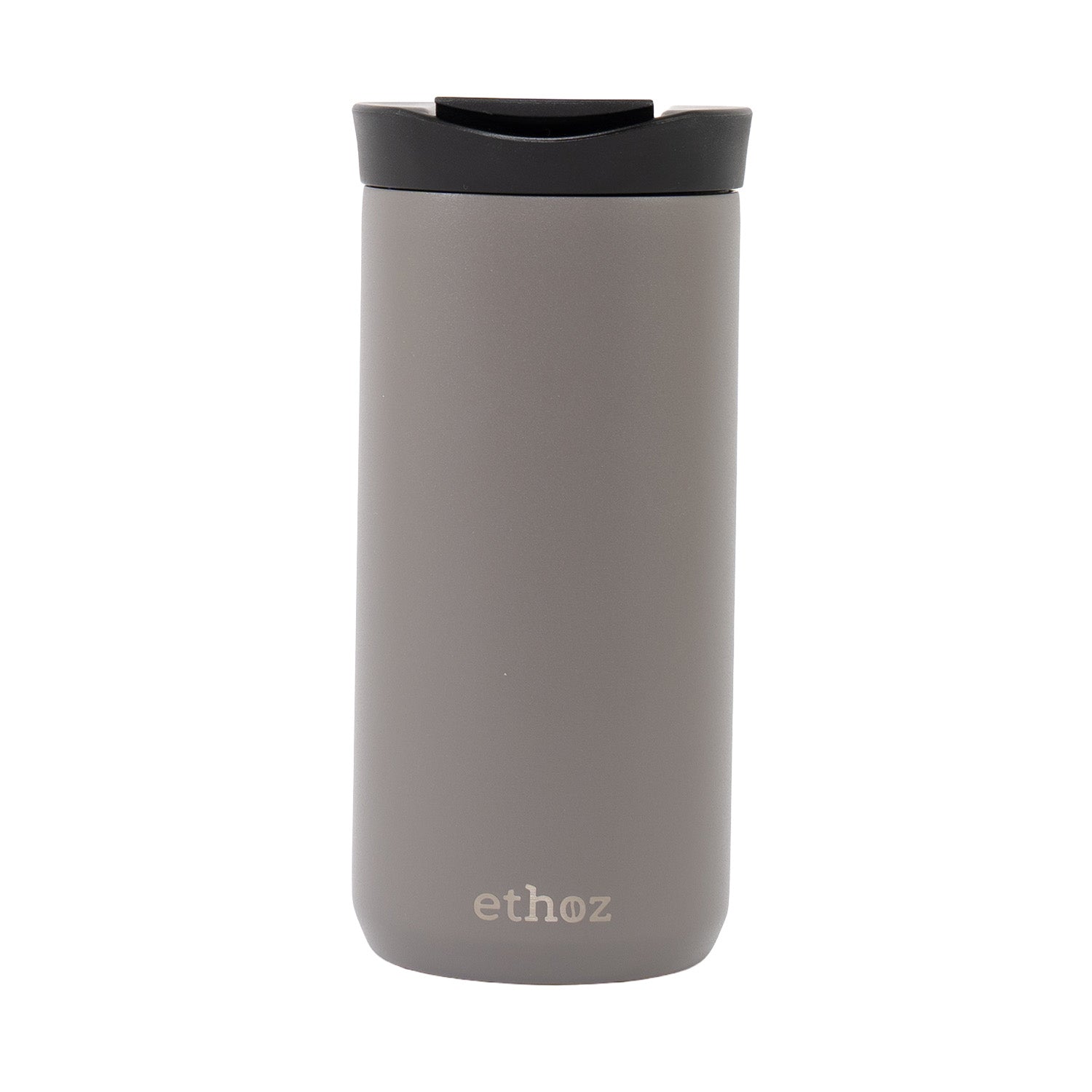
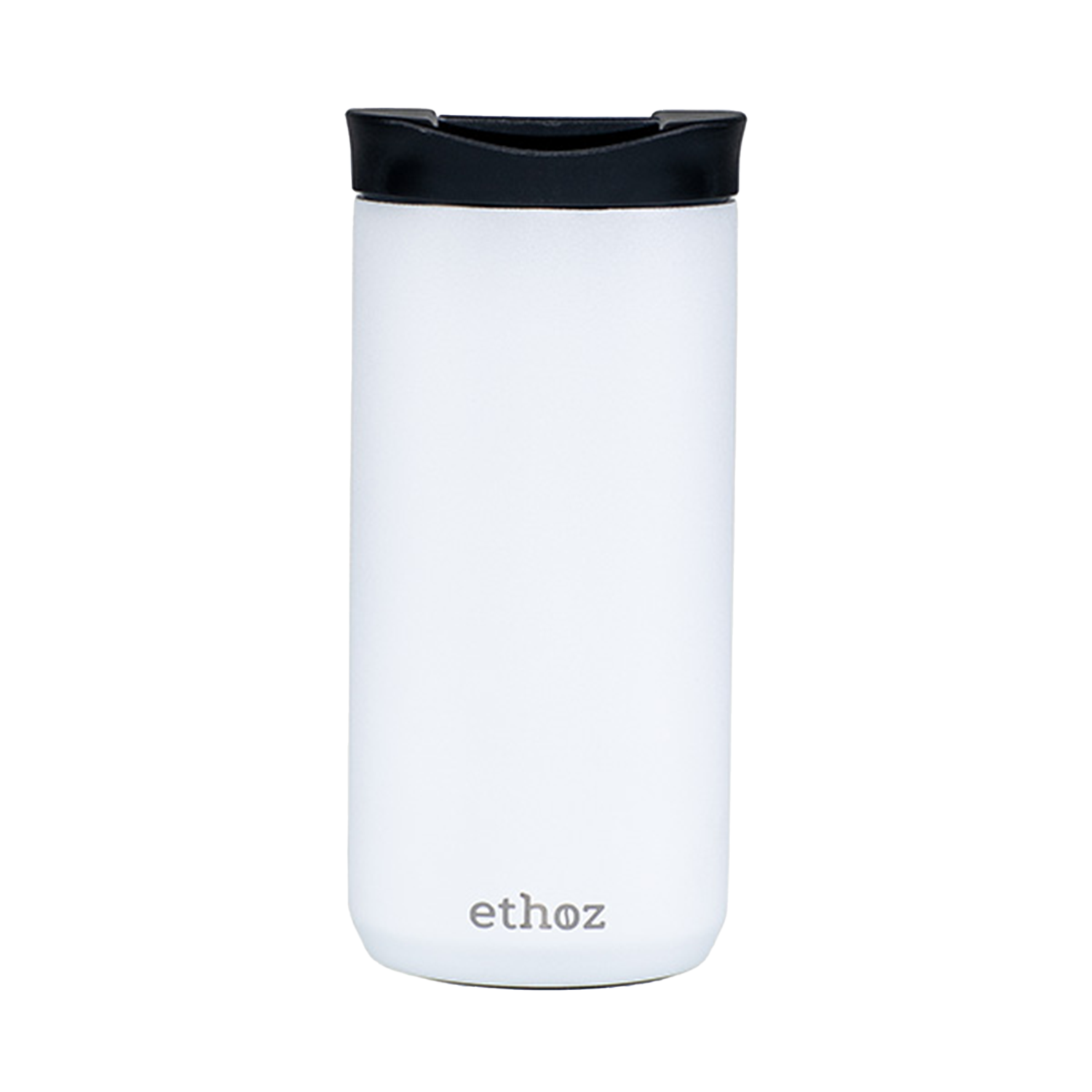
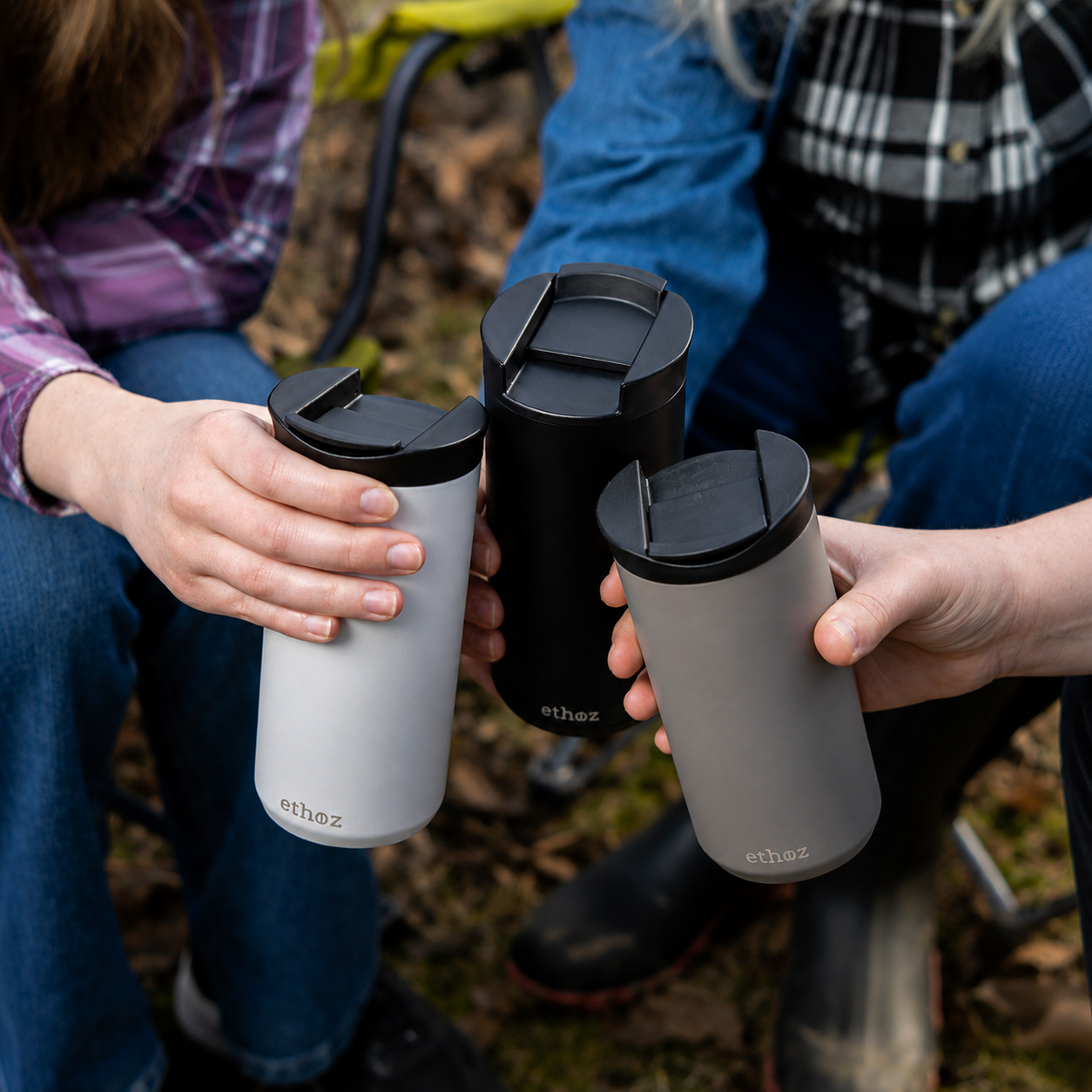
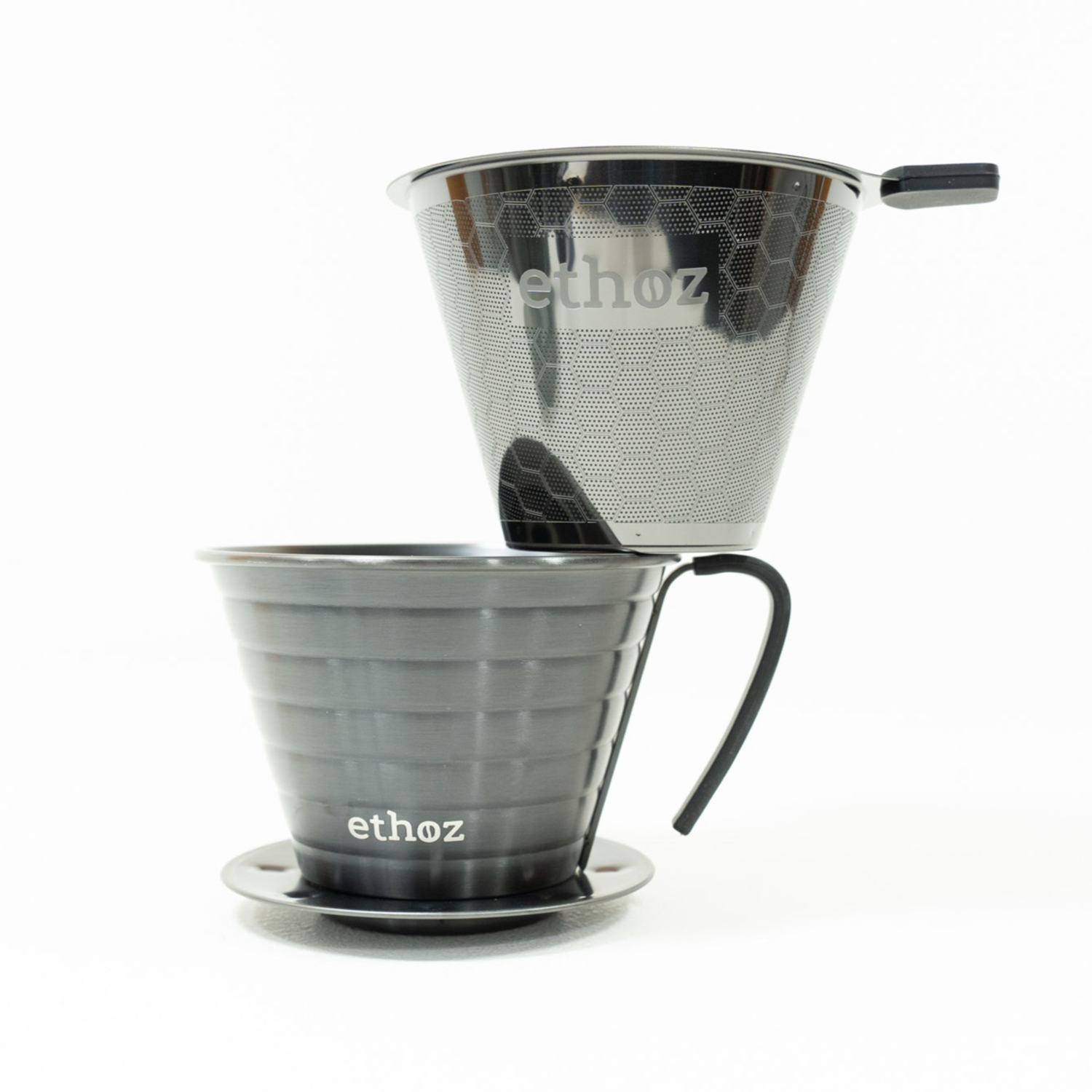
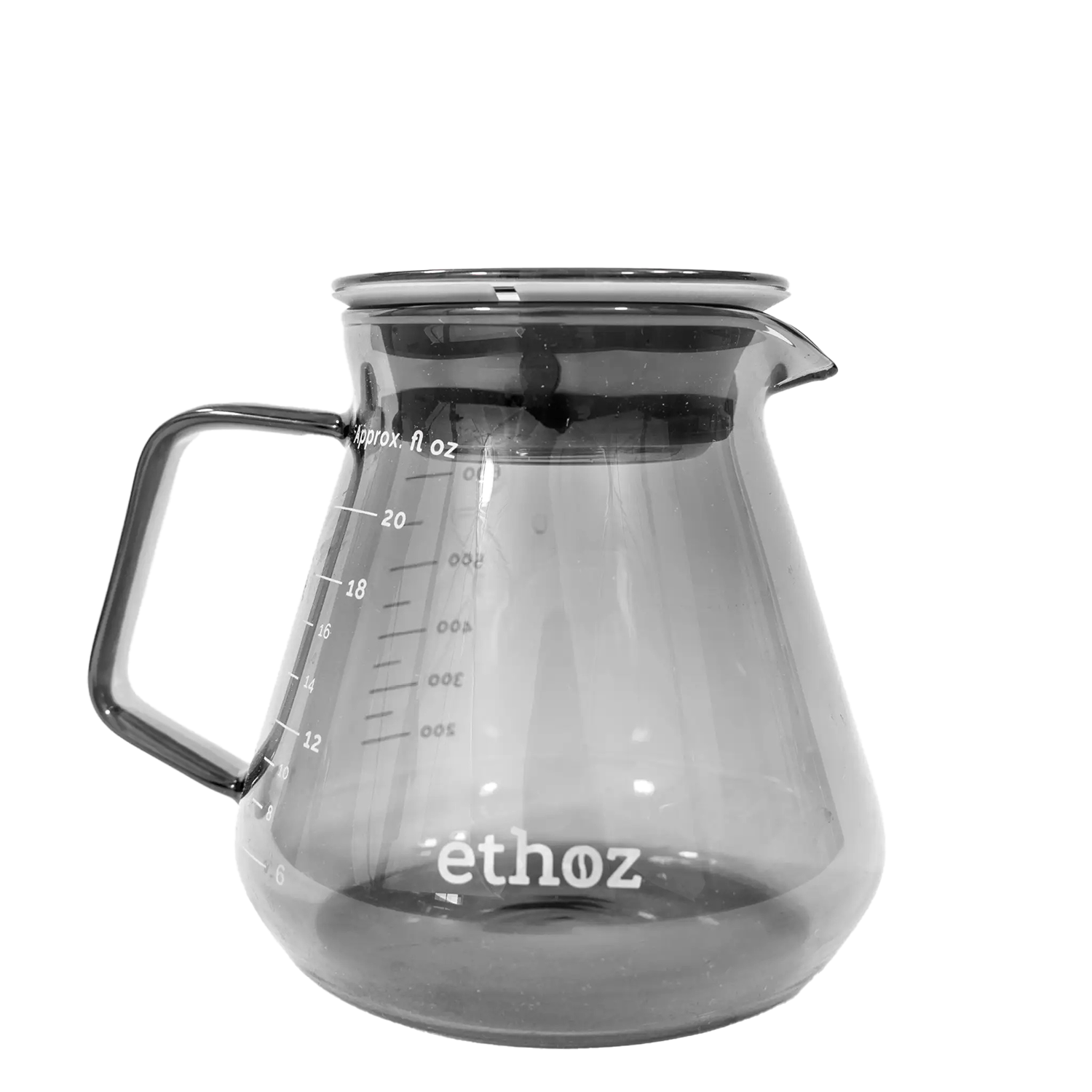
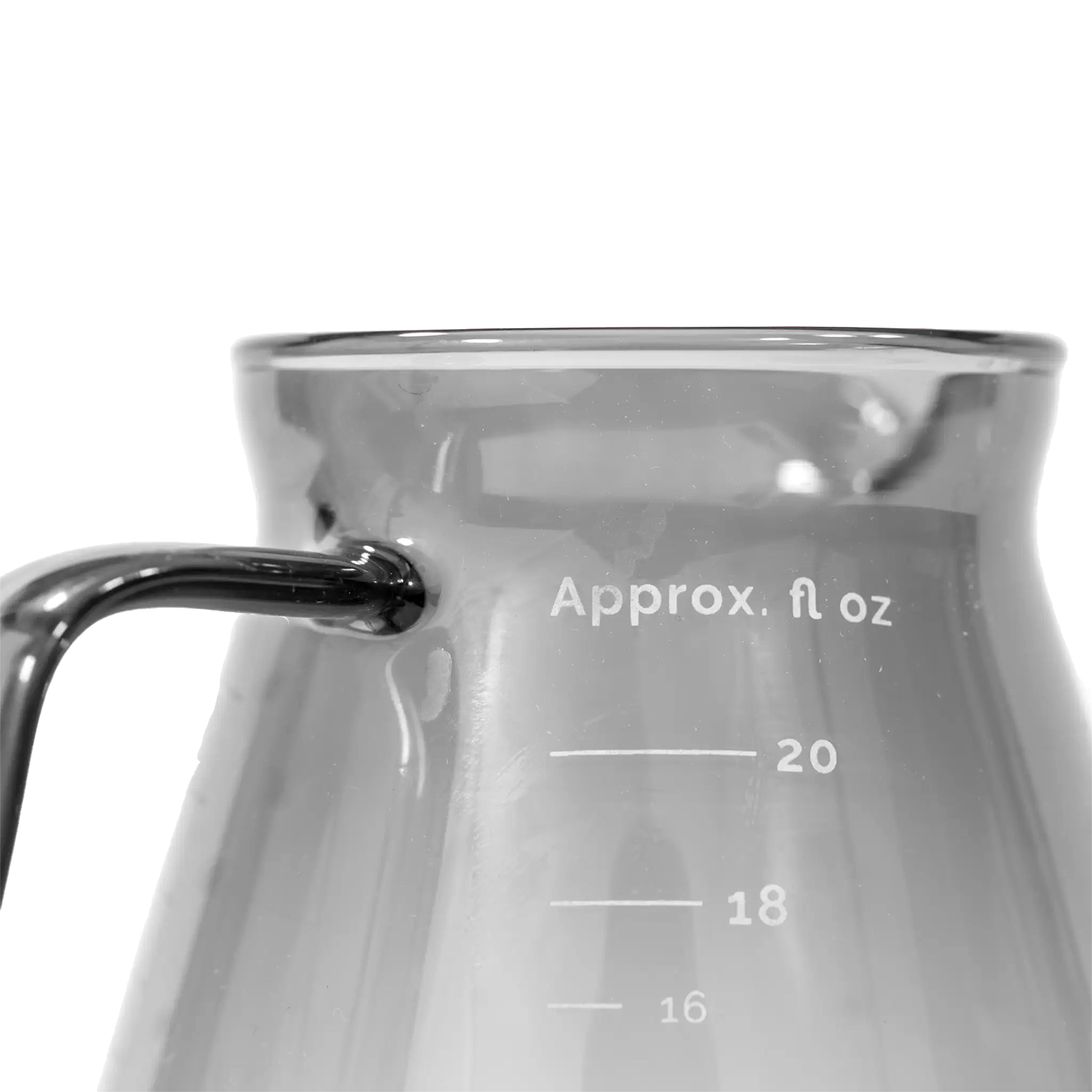
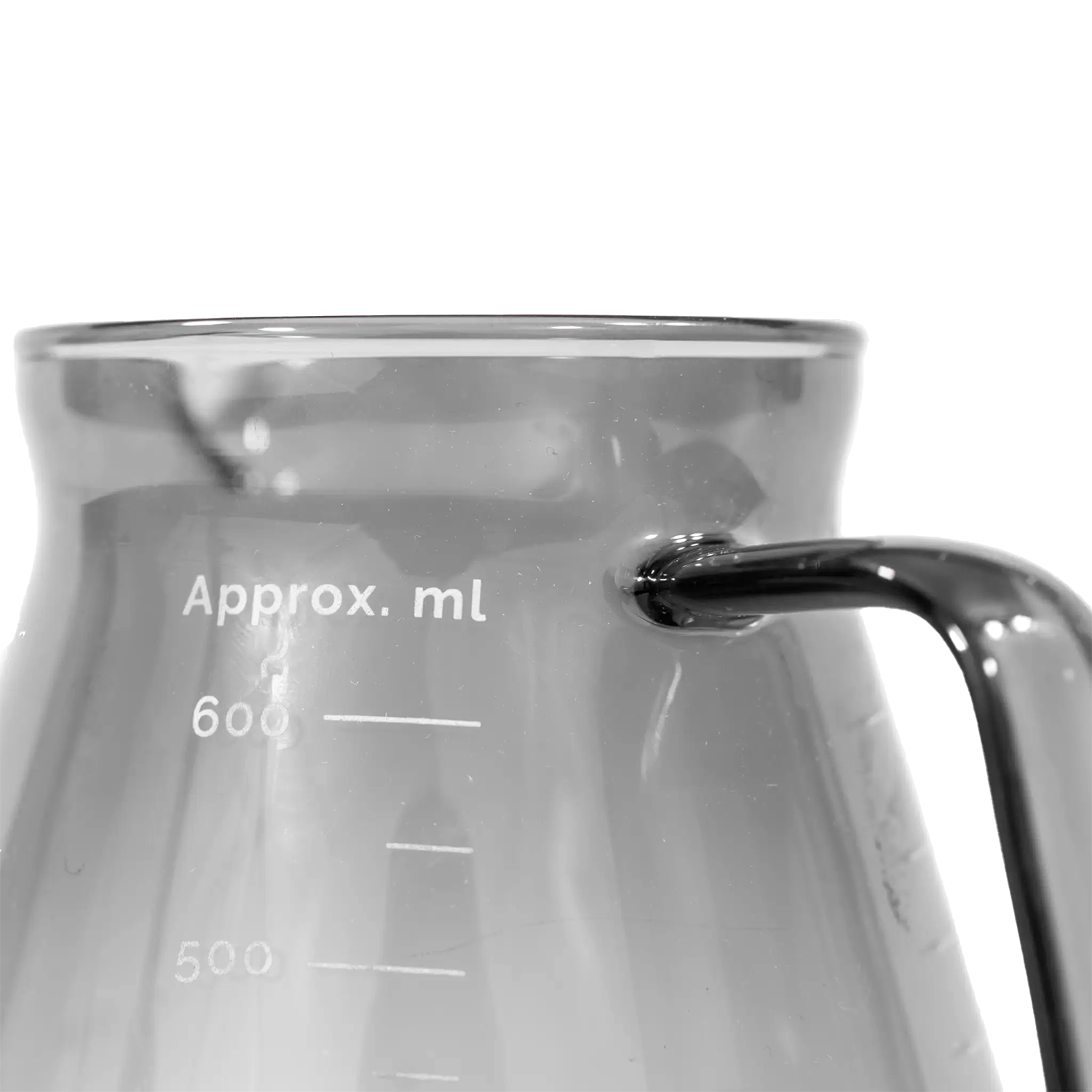
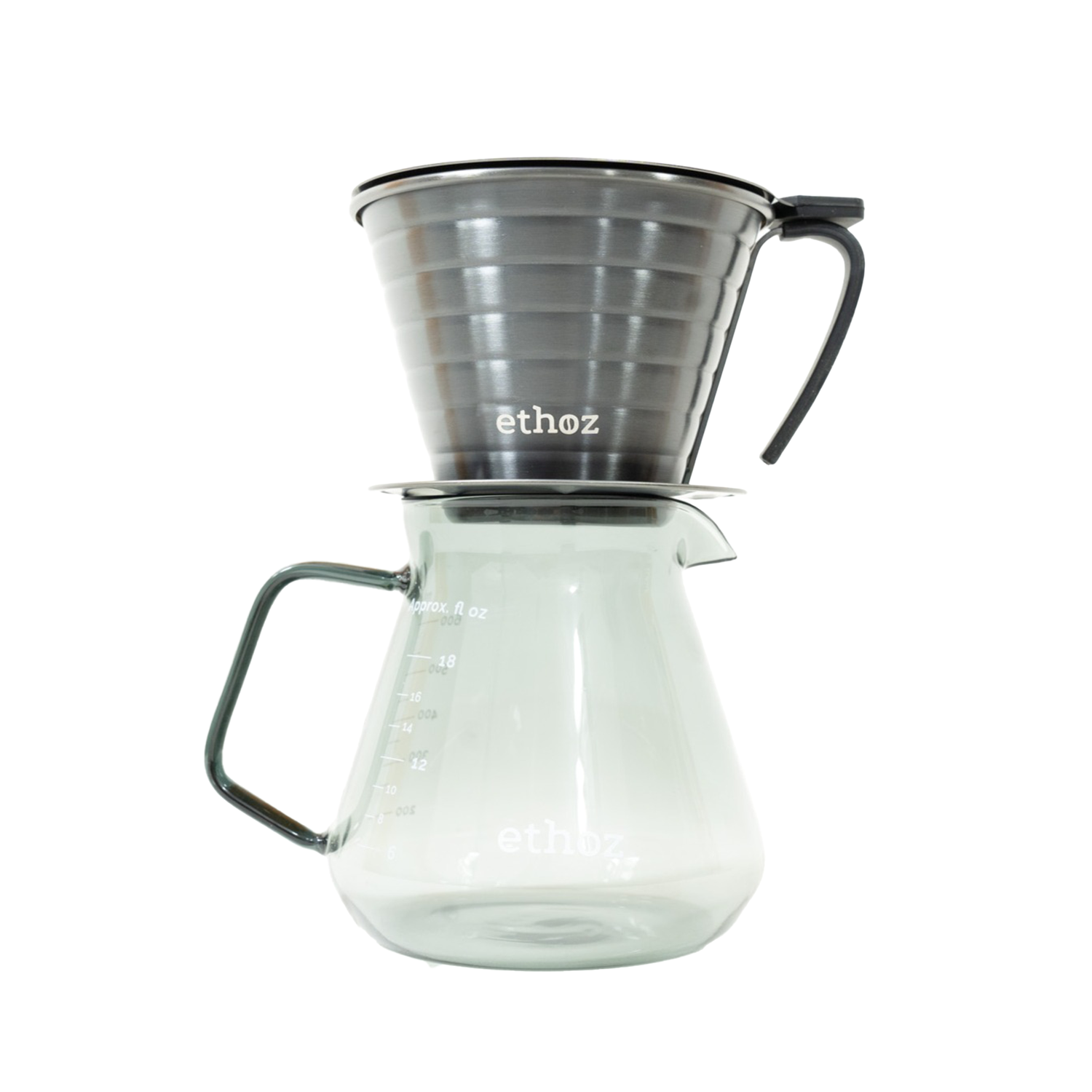
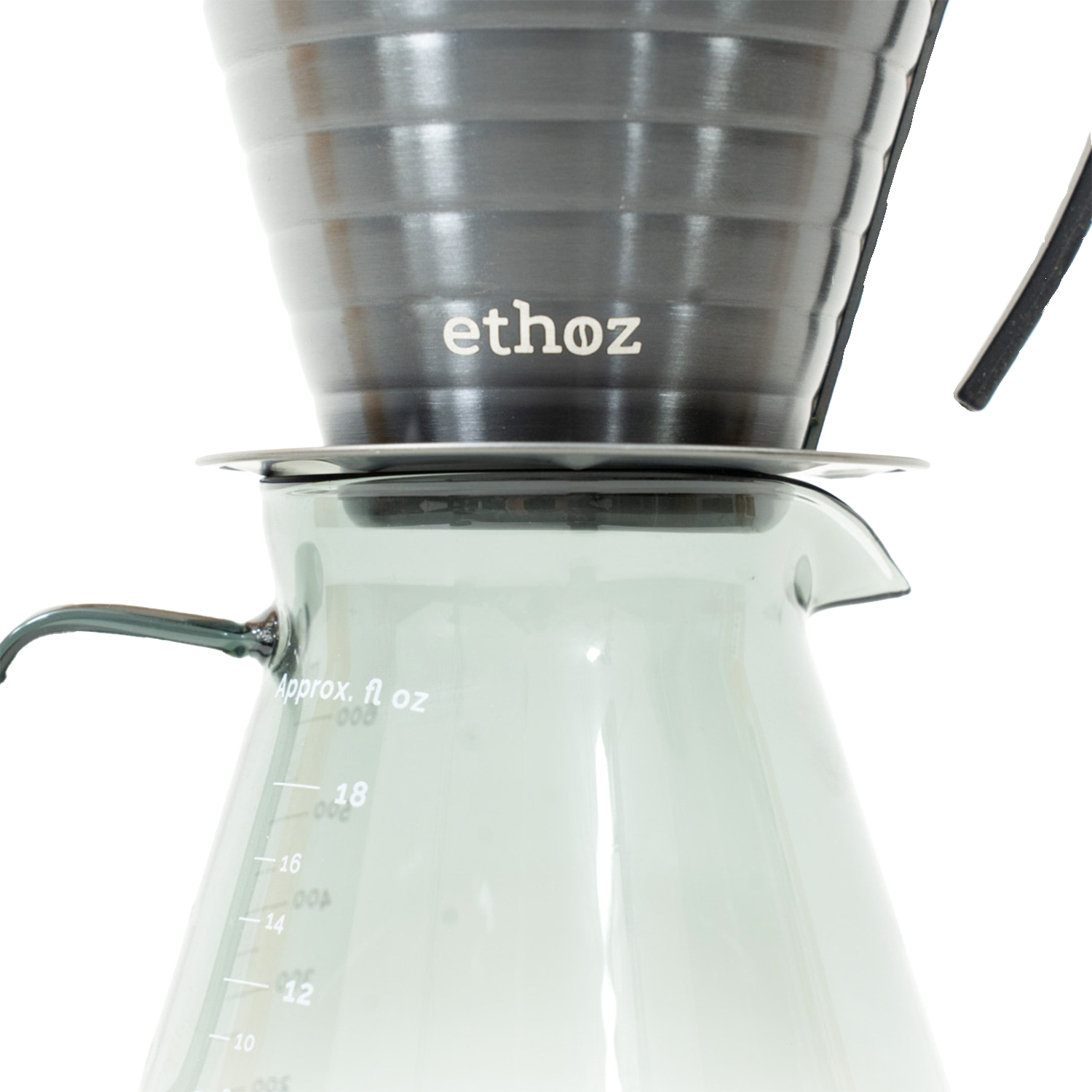
For home brewing, the ethoz Pour-Over Set pairs a stainless steel dripper with a 20-ounce glass carafe, everything a beginner needs to start. The glass lets you watch extraction happen, and the set includes a reusable filter. For travel or camping, the Collapsible Pour Over folds flat and weighs almost nothing. Pair it with an insulated cup, and you've got a complete backcountry brewing setup that fits in a jacket pocket.
What Beginners Should Know
Manual pour-over isn't complicated. It's deliberate. The learning curve is short: brew three cups, and you'll know whether you're pouring too fast or grinding too fine. Start with the 1:15 ratio and medium grind, then adjust one variable at a time. Consistent technique beats expensive gear. Clean equipment, fresh ingredients, and a steady hand matter more than a $200 ceramic dripper. If your first cup tastes off, change the grind before you change anything else.
Cost and Durability Compared
A quality manual pour-over coffee maker costs $20 to $70 depending on materials and capacity. Borosilicate glass and stainless steel both outlast plastic and don't absorb odor. Budget for a hand grinder if you don't own one. Pre-ground coffee goes stale fast, and grinding fresh is the single biggest upgrade you can make. Reusable filters pay for themselves in three months compared to buying paper. The gear itself lasts years if you rinse it after each brew and deep-clean weekly. Coffee oils go rancid on equipment and taint later cups, so clean gear is a flavor variable, not just maintenance.
Shop manual pour-over coffee makers designed in Montana and built to last. Whether you're dialing in the perfect cup at home or brewing at elevation, you're in control. Browse the collection and find your setup. Prefer one cup at a time? See our single-cup pour-over coffee makers.