














Why Choose a Single Cup Pour Over
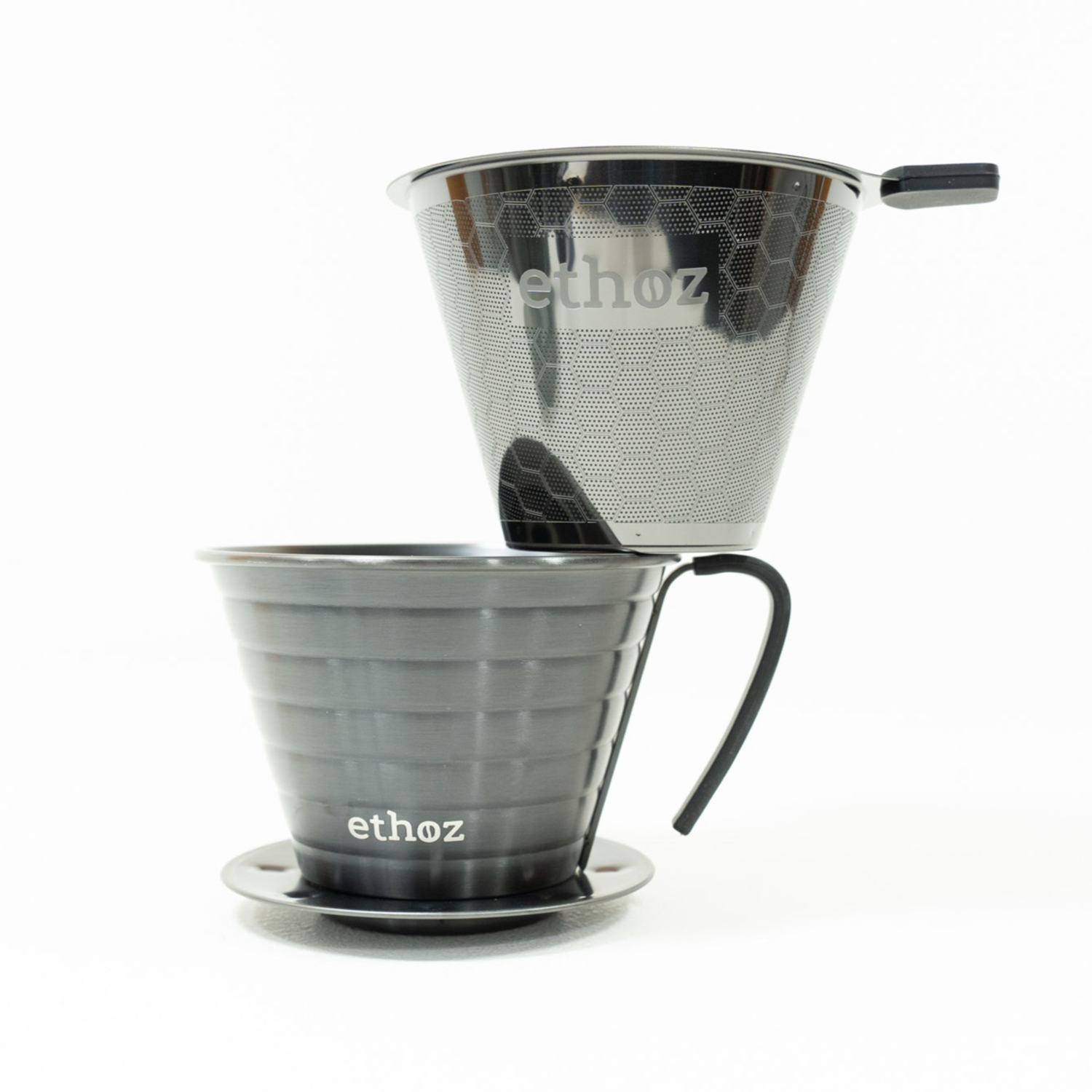
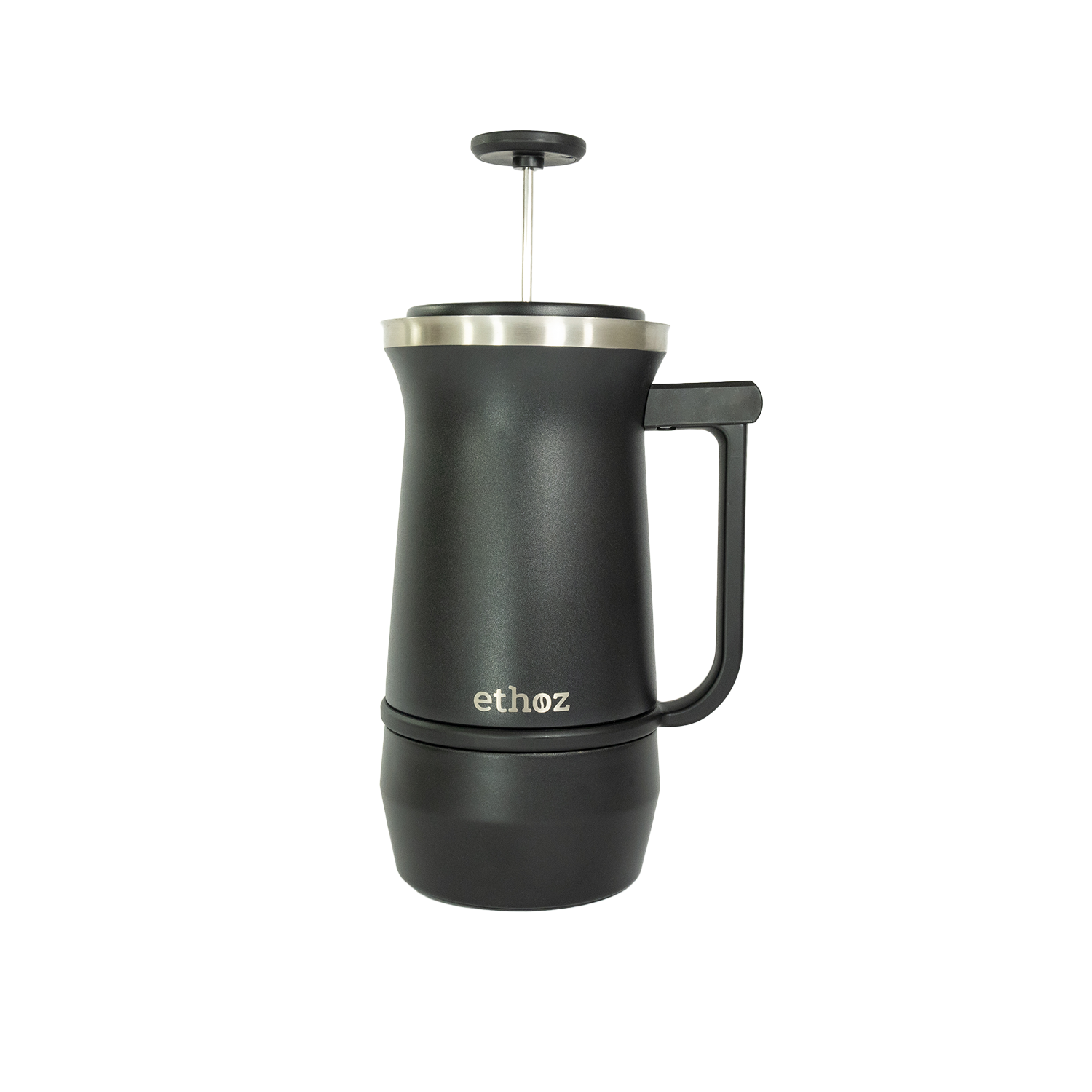
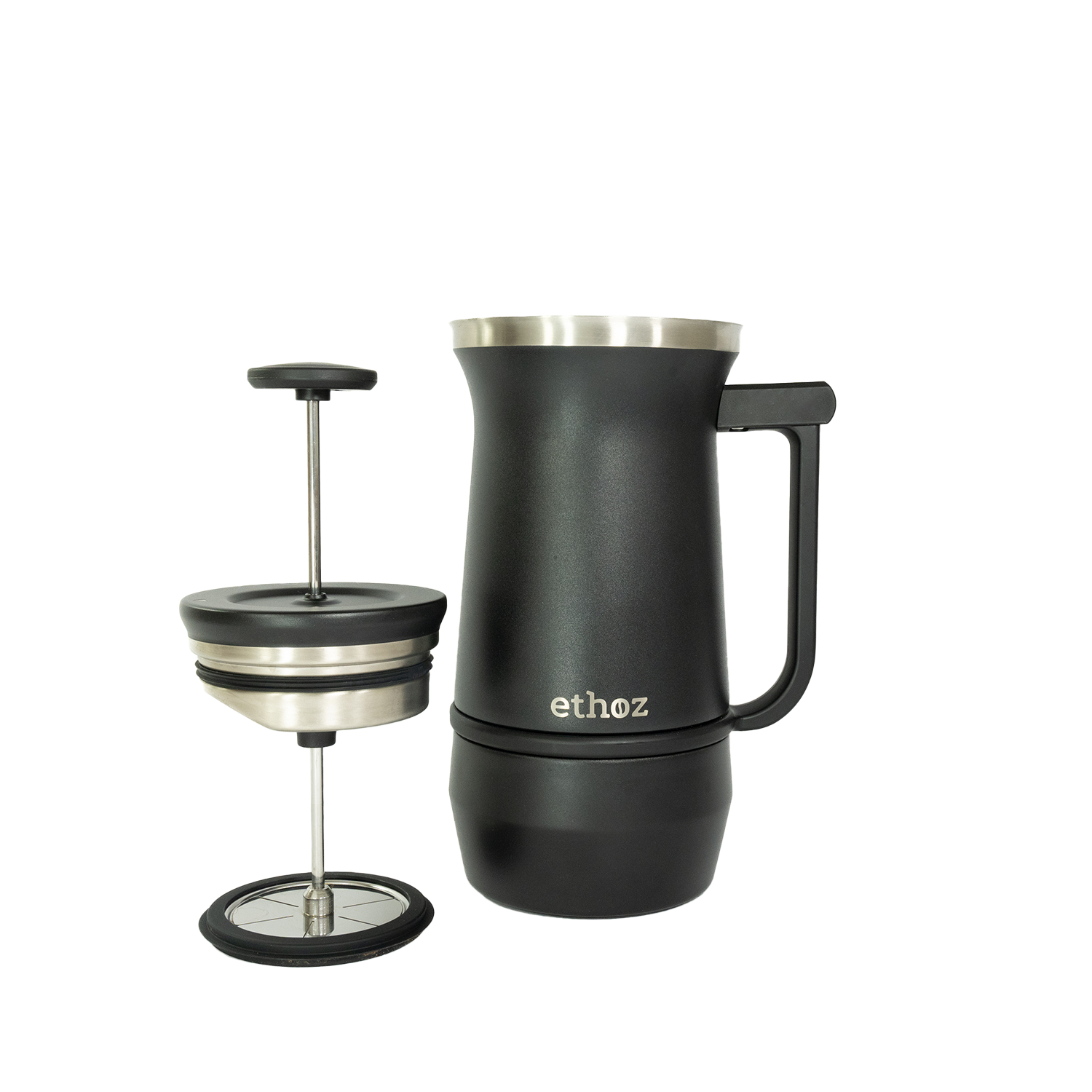
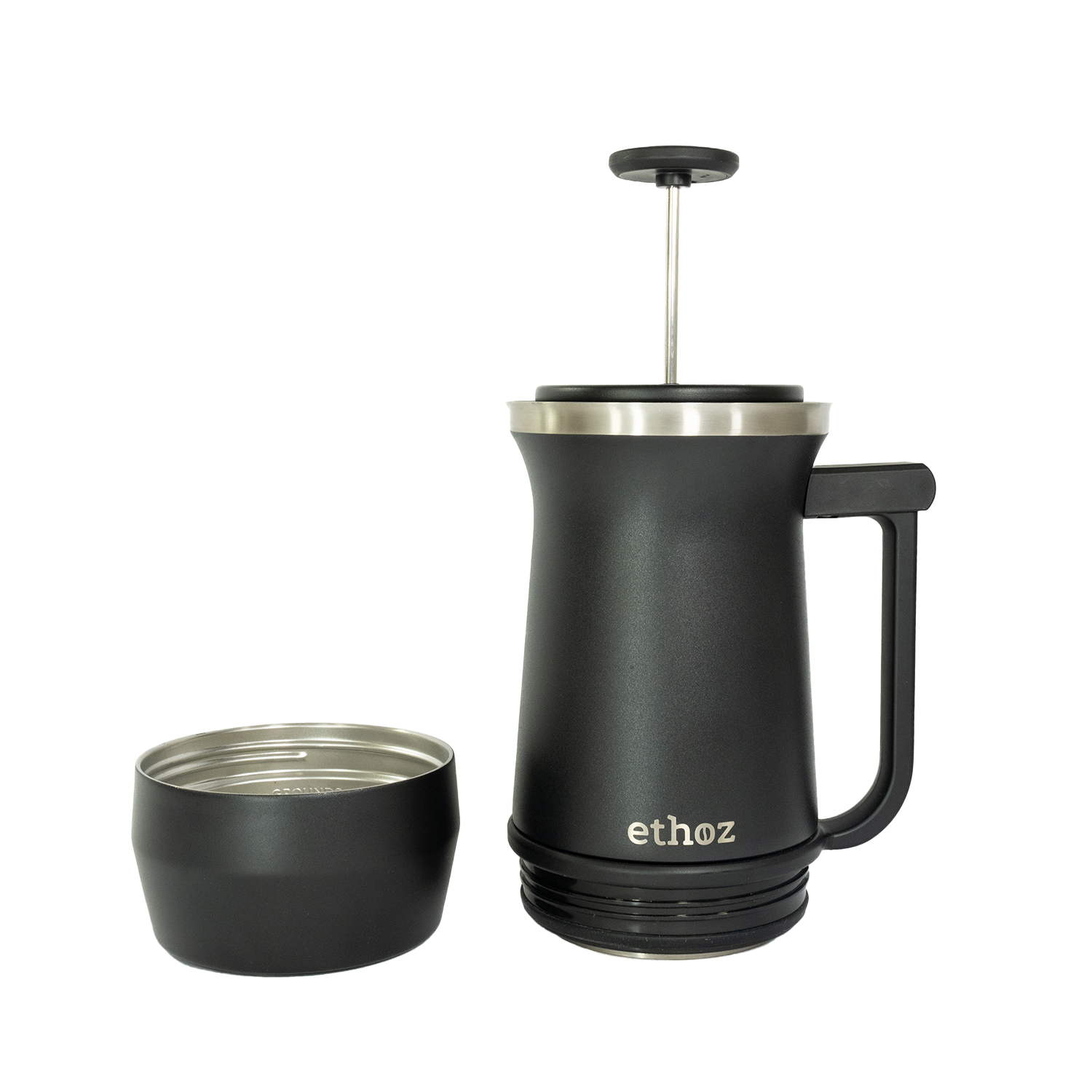
A single-cup pour-over coffee maker puts you in control of every variable that shapes flavor. You decide the grind size, water temperature, and pour speed; no machine makes those calls for you. The result is a cleaner, more nuanced cup than automatic coffee makers deliver, especially when you're brewing fresh-roasted beans. Our ethoz® drippers use either stainless steel mesh or paper filters, depending on whether you want a fuller-bodied brew or a lighter, tea-like cup. They are part of the ethoz® collection and one part of our full range of pour-over coffee makers.
The process takes about five minutes from kettle to first sip. Heat water to roughly 195 to 205°F (let it sit 30 seconds after boiling), wet your grounds evenly with a slow circular pour, and let gravity do the rest. Unlike espresso makers that demand specific pressure and timing, pour-over brewing rewards consistency more than precision. Start with a 1:15 coffee-to-water ratio, about 2 tablespoons per 8 ounces, and adjust to taste.
Stainless Steel vs Porcelain Drippers
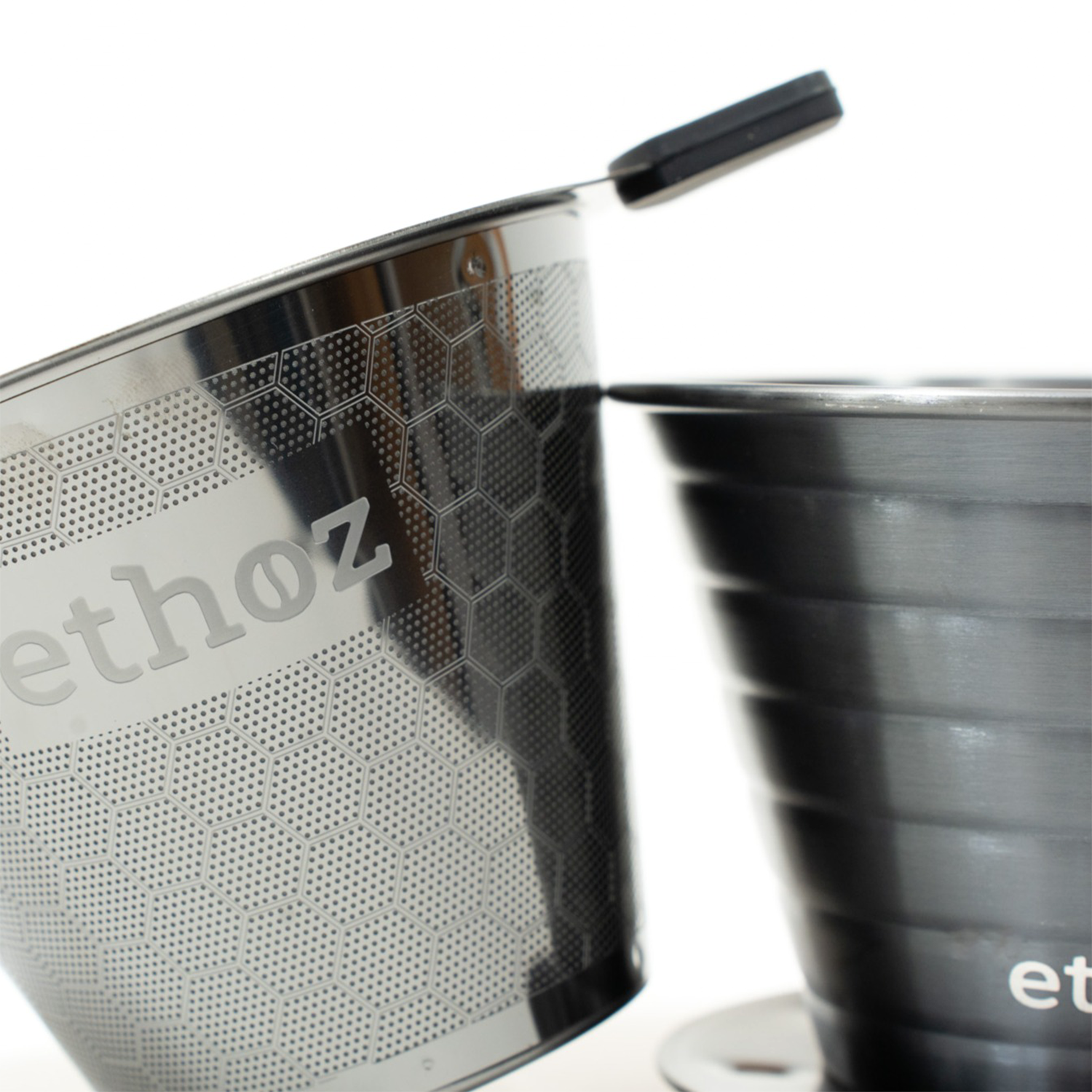
Stainless steel mesh filters last the lifetime of your brewer and eliminate single-use waste. They allow more coffee oils through than paper, giving you a fuller body closer to a French press. Porcelain drippers paired with paper filters trap those oils for a cleaner, brighter cup. Neither design is objectively better. It's a body preference. If you want to taste the subtle fruit notes in a light roast, paper filters let those shine. If you're brewing a bold, dark roast and want maximum richness, stainless mesh delivers.
Grind Size and Extraction Control
Grind size is your main lever for fixing a bad cup. For pour-over, use a medium grind, finer than French press, coarser than espresso. Too coarse and your coffee drains fast, tastes thin and sour, under-extracted. Too fine and it drains slowly, tastes bitter, over-extracted. Consistent grinds matter more than perfect precision. If you're using pre-ground beans, you're already behind. A hand coffee grinder costs less than a week of café drinks and transforms what's possible at home.
How to Brew Better Coffee
Great coffee starts before you pour. Use fresh roasted beans stored in an airtight container. We make Airscape® canisters with a patented valve that removes air and locks in flavor. Grind just before brewing. Heat your water to about 200°F, which is roughly 30 seconds off a boil. If you're pouring from a standard kettle instead of a gooseneck, pour from a lower height to keep control and reduce splashing.
Wet all grounds evenly in a slow, circular motion. Dry pockets don't extract, and channels drain too fast. Pour in stages rather than filling the dripper at once. This keeps the brew bed stable and extraction even. The whole process rewards patience more than speed. Clean equipment matters as much as fresh beans: coffee oils go rancid on your brewer and taint later cups. Rinse with hot water after each use, deep-clean weekly.
Filters and Flavor Trade-Offs
Most cone drippers take standard paper filters, which you'll find at any grocery. Reusable mesh filters cost more upfront but pay for themselves in a few months and last for years. The environmental case is clear: no single-use waste. The flavor case depends on what you're brewing. Paper filters give you clarity: you taste the beans' origin and roast profile without interference. Metal mesh gives you body: you feel the coffee's weight and texture. Try both and decide what suits your beans and your palate.
Compared to Other Brewing Methods
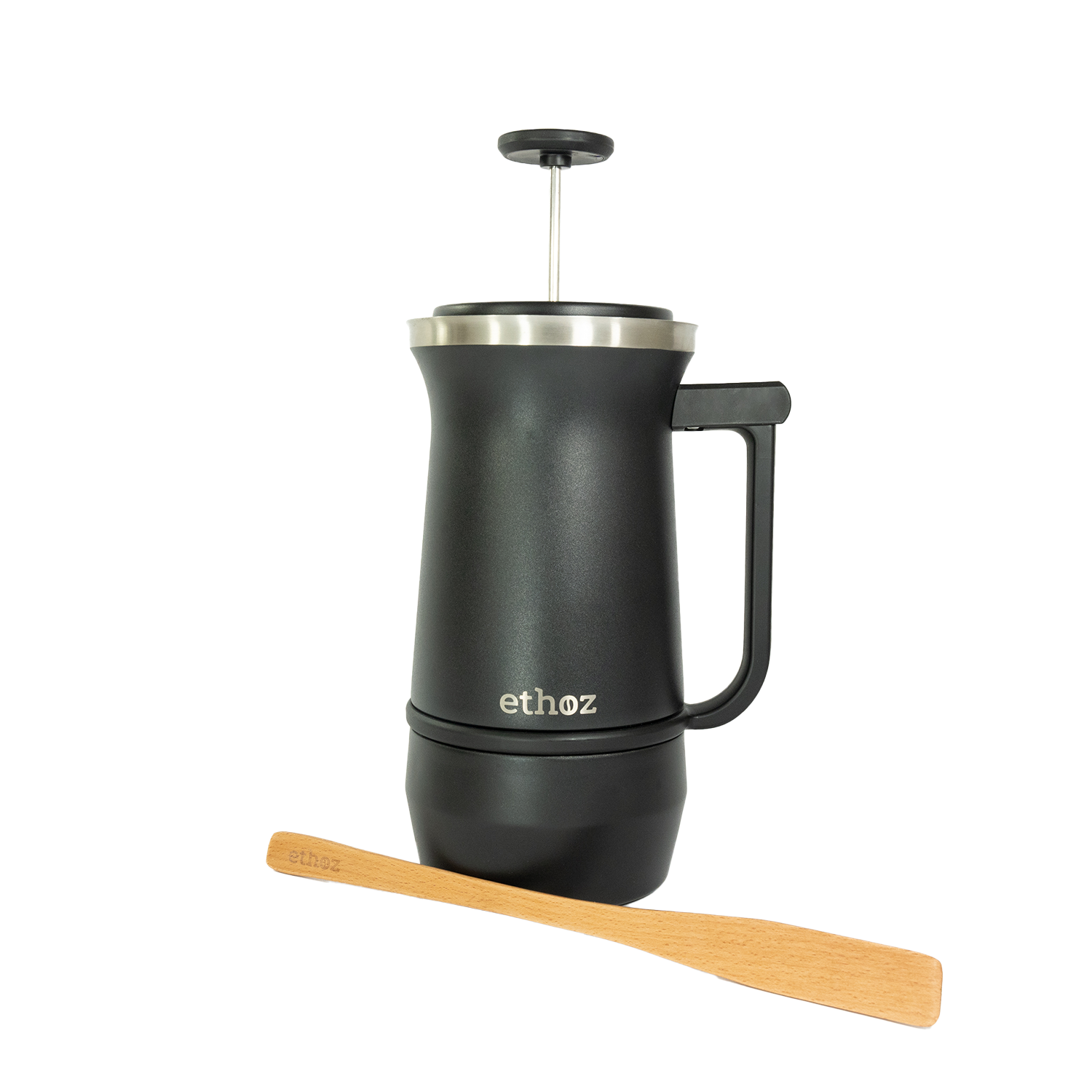
Pour over gives you more control than drip coffee makers and more clarity than French press. Espresso machines cost ten times as much and demand more skill. A brewer like the Hario or Melitta cone works the same way ours does: gravity and a filter, but our ethoz® line uses thicker borosilicate glass carafes that handle thermal shock without cracking, and our stainless drippers are built to last decades, not years. If you're brewing outdoors or traveling, our BruTrek® insulated French presses make more sense than glass. If you're brewing at home and want to control extraction, pour-over is the method that rewards your attention. For a hands-on approach at home or camp, see our manual pour-over coffee makers.
Built for Daily Use in Montana
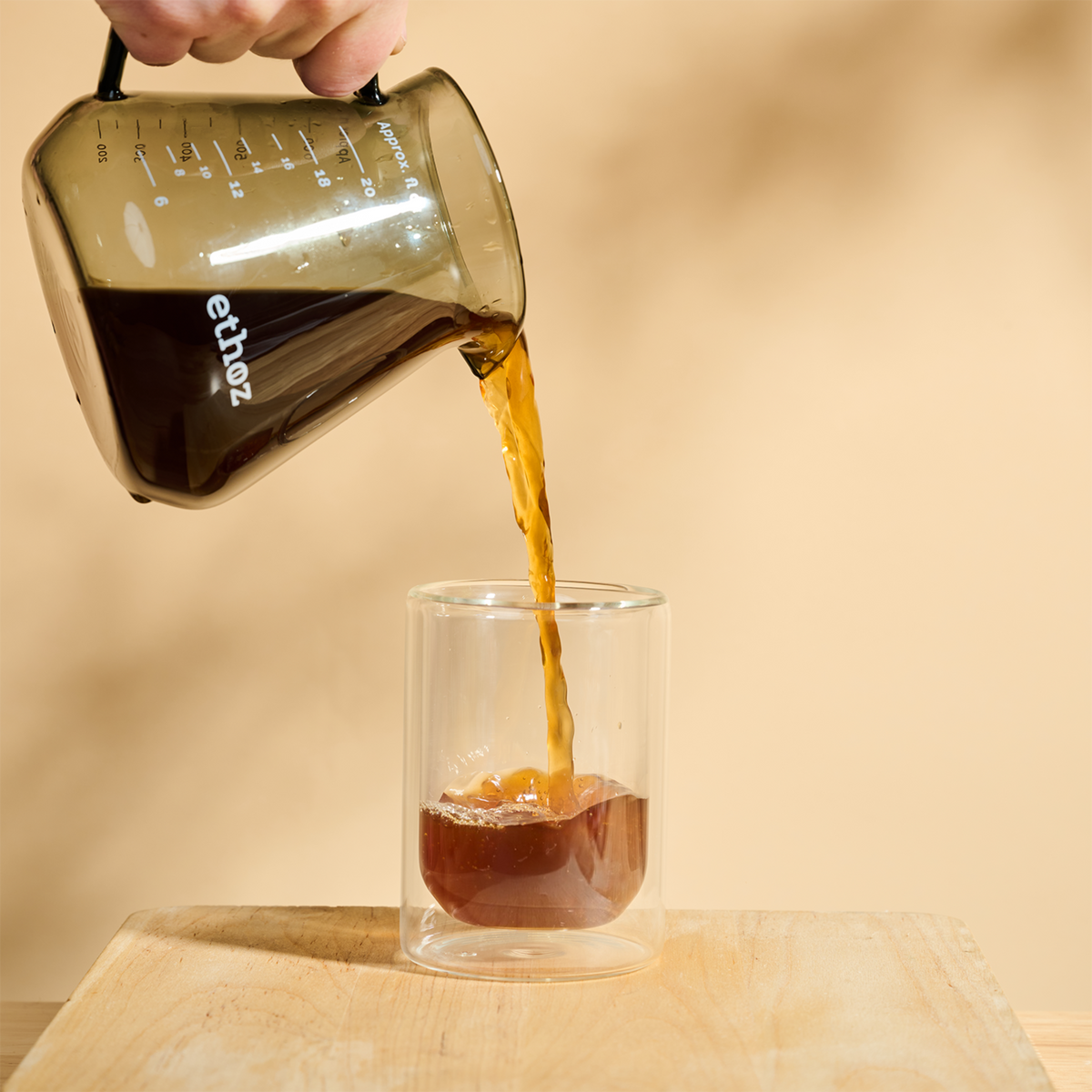
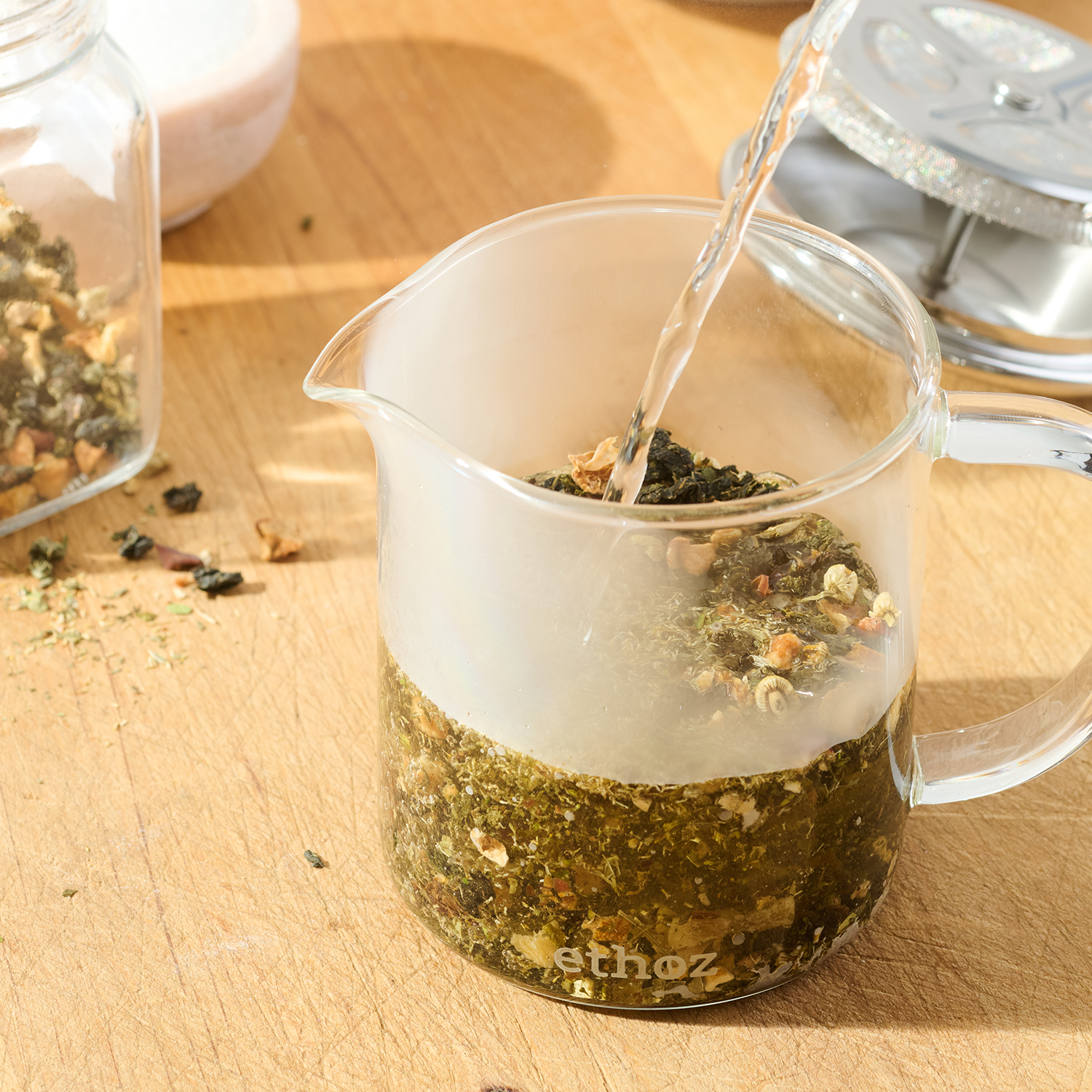
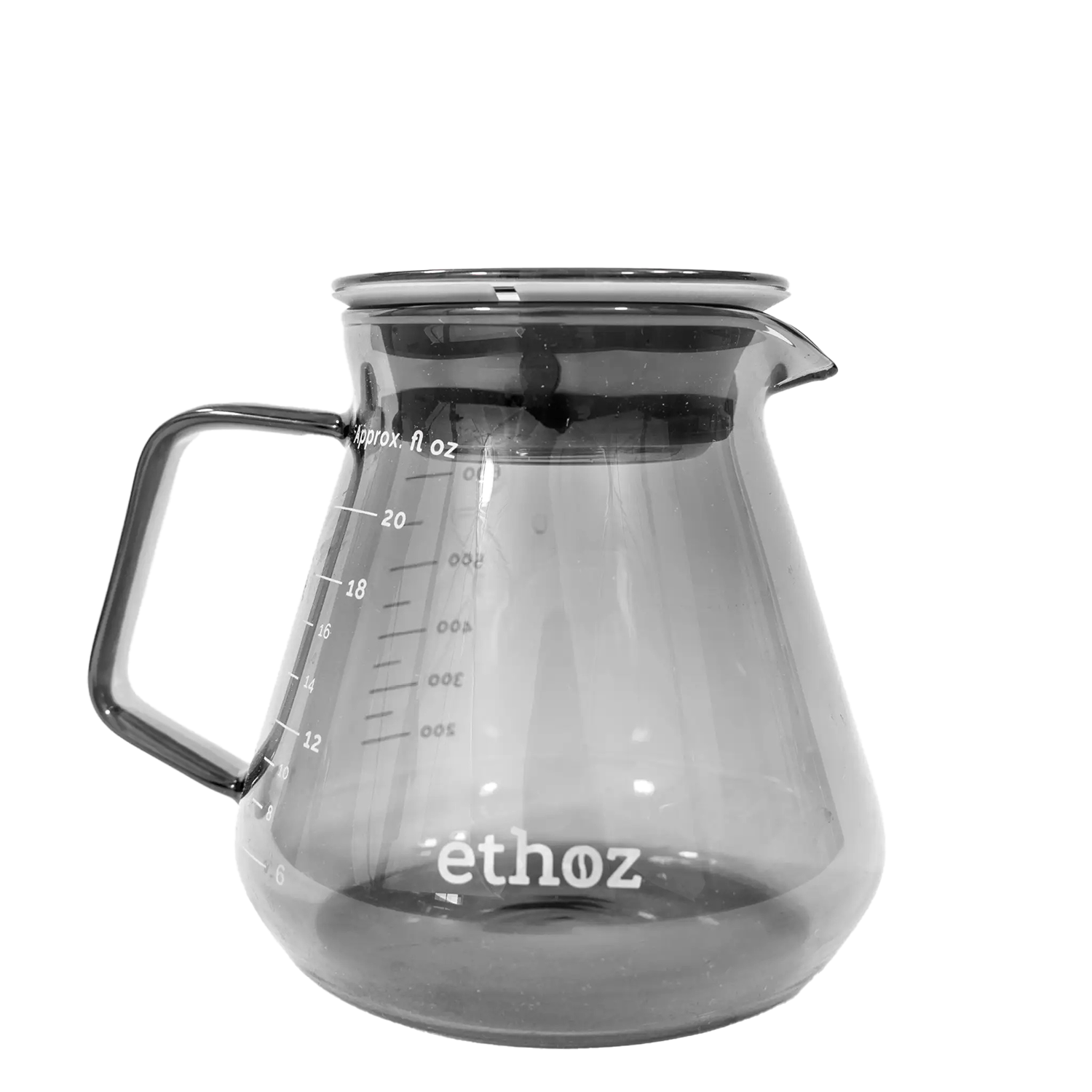
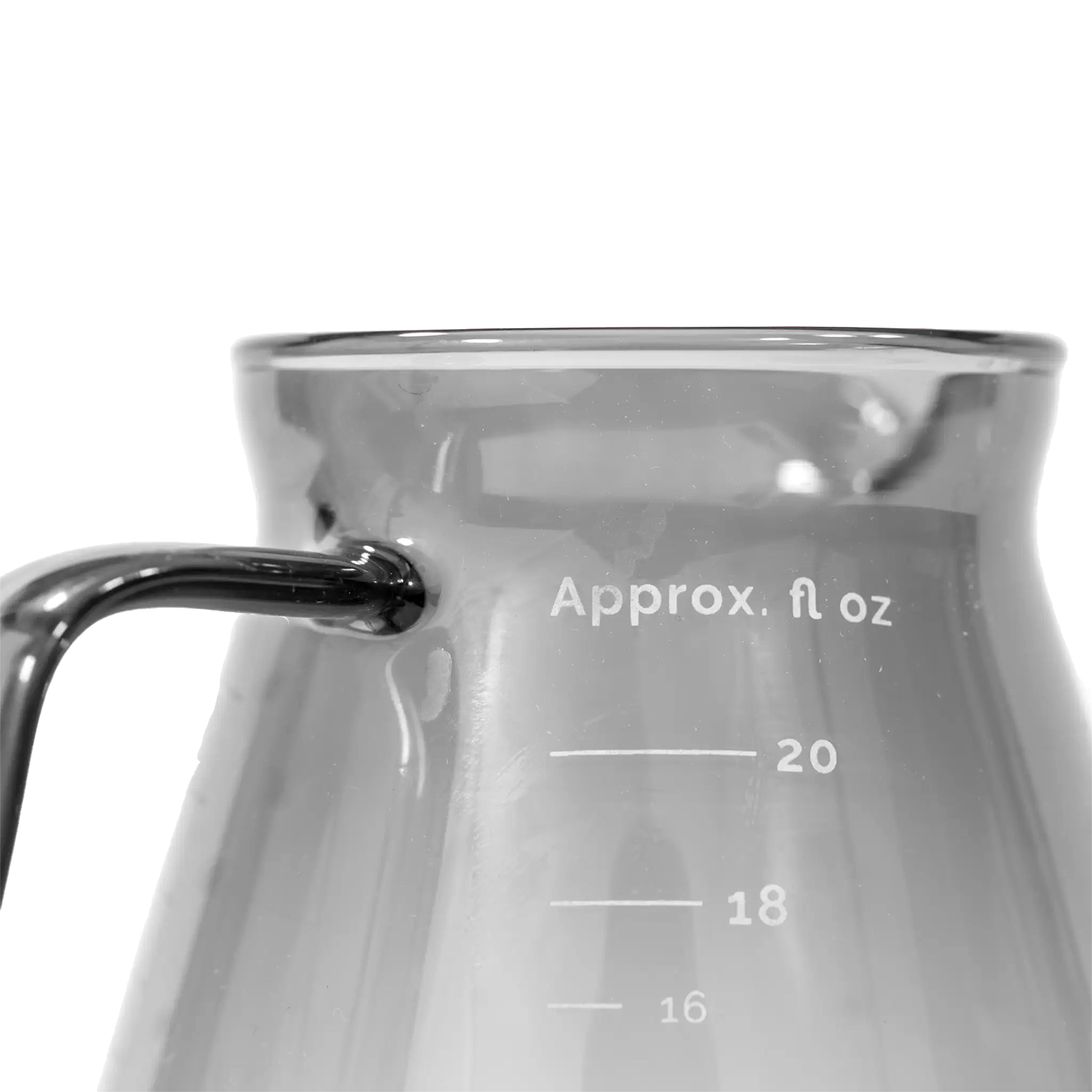
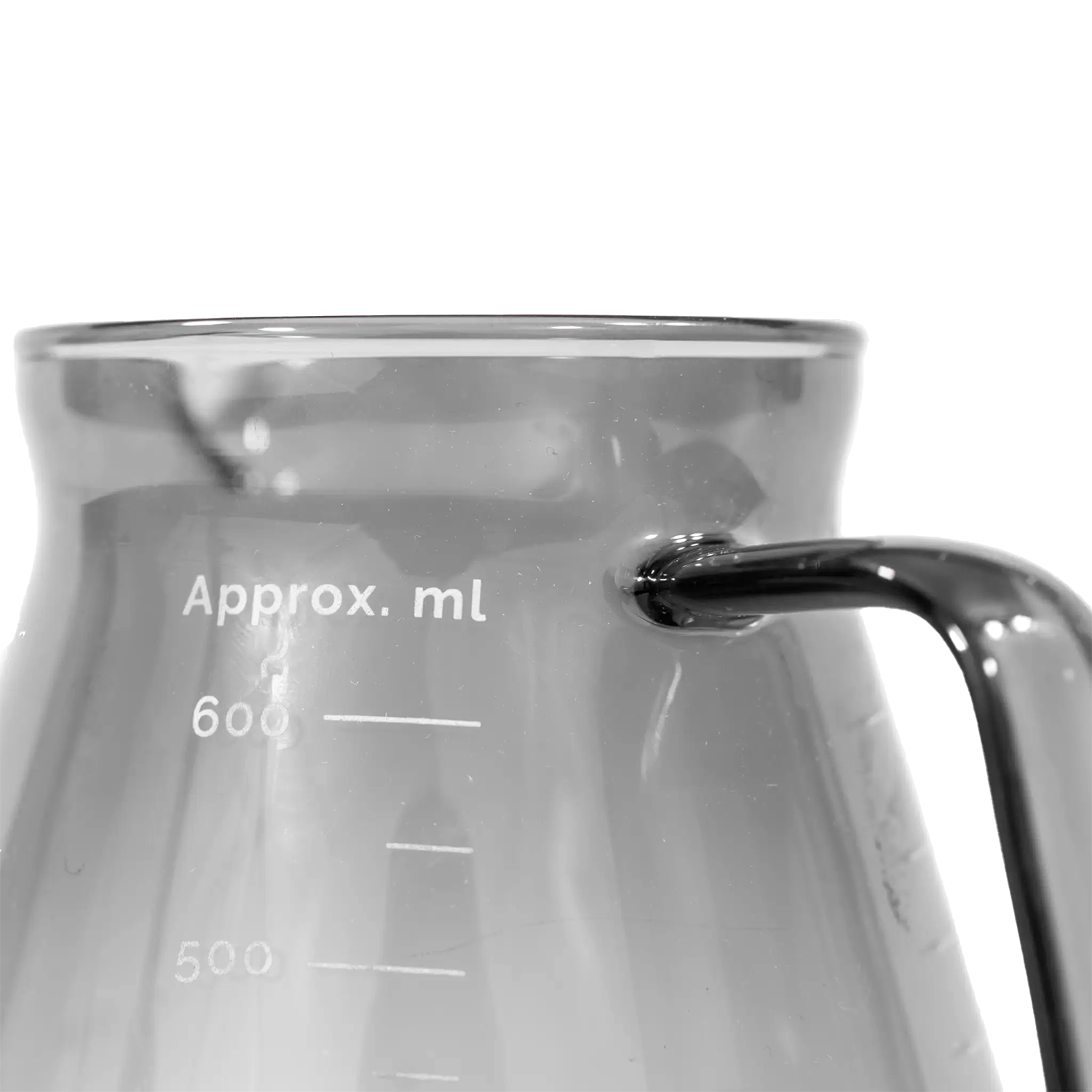
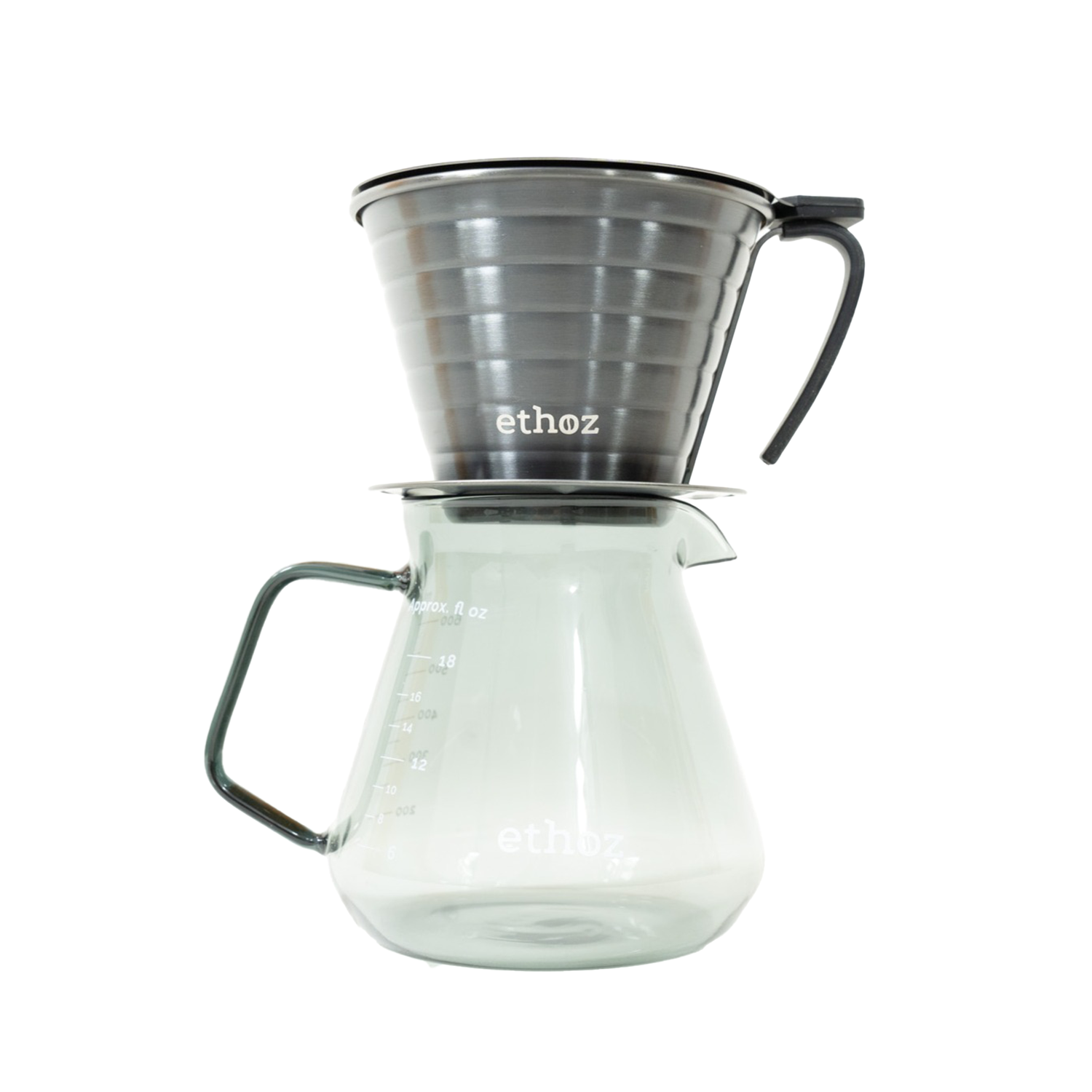
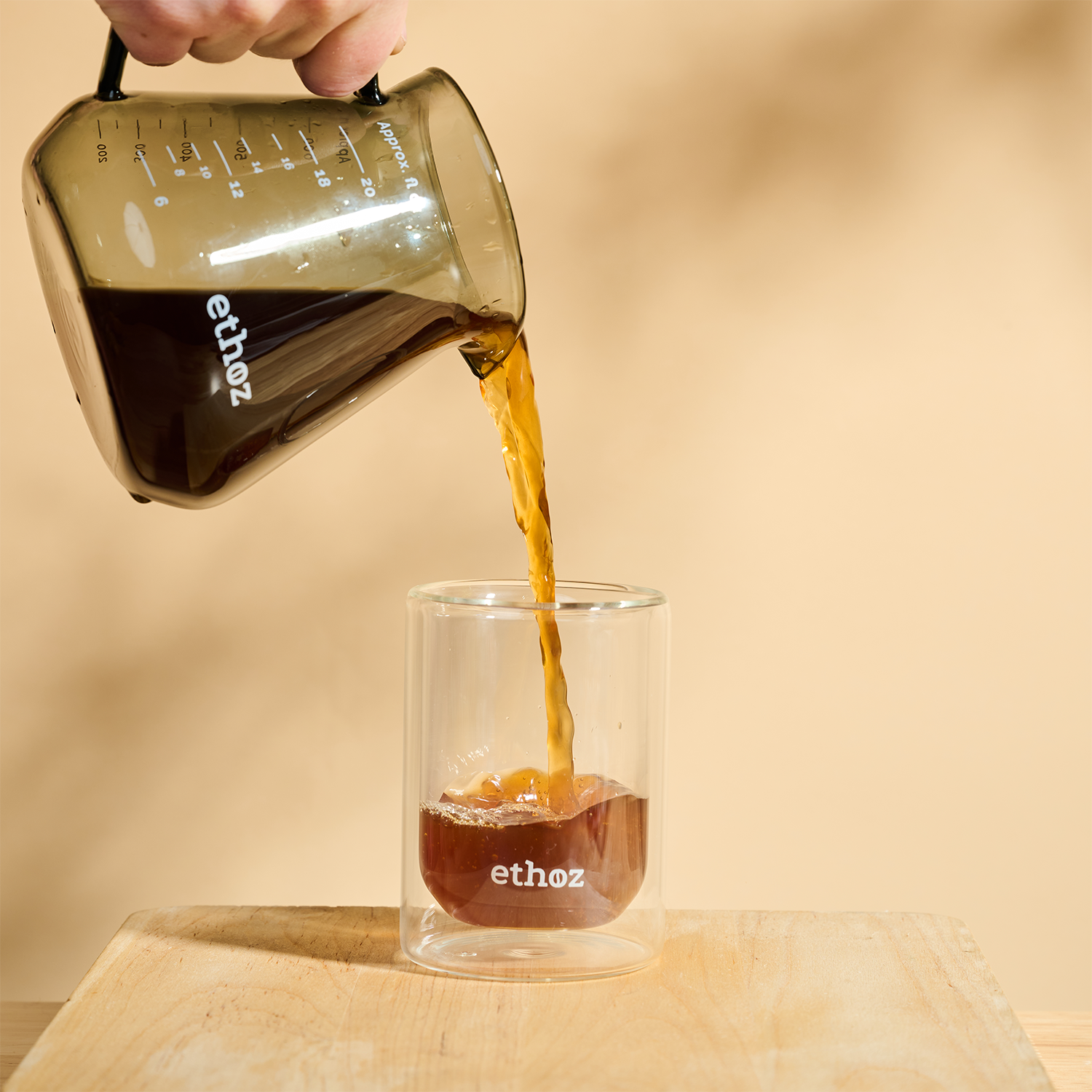
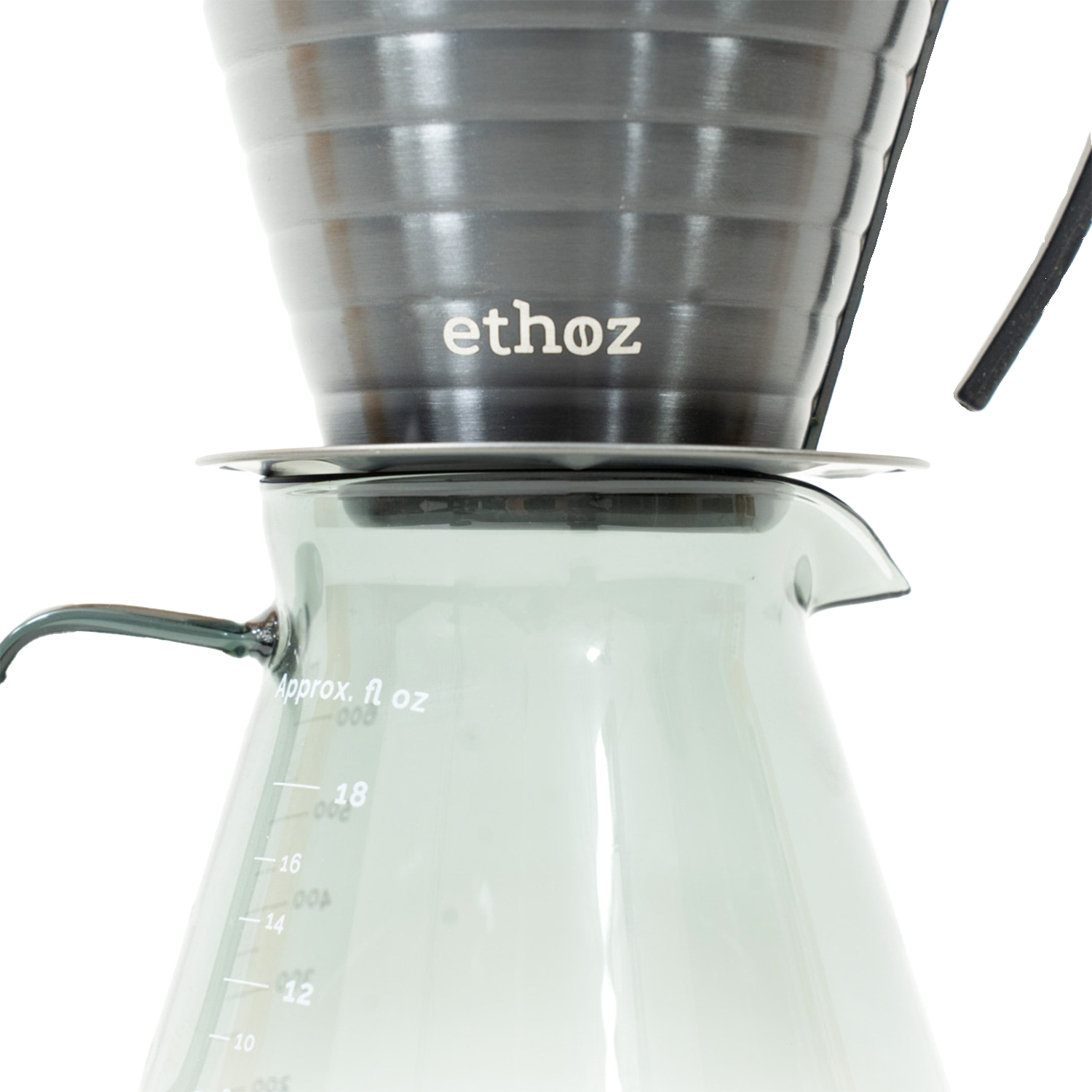
We design and field-test our gear in Montana, where coffee is a morning ritual worth doing right. Our ethoz® pour-over set pairs a stainless steel dripper with a 20-ounce smoky glass carafe, everything you need to brew and serve. The glass is borosilicate, chosen for thermal shock resistance, which matters when near-boiling water meets a cold carafe. It doesn't retain odor or stain, so you can brew coffee in the morning and tea in the afternoon without carryover. Browse our glass pour-over coffee makers to see it in action.
We're a Conservation Alliance member, which means a portion of every purchase supports concrete environmental work like protecting the Boundary Waters. Our refill programs and compostable packaging reduce waste. We sell replacement parts because gear that lasts decades is better for the planet than gear that photographs well and fails. If you've been frustrated by single-use pods or weak automatic drip, a single-cup pour-over maker gives you café-quality coffee at home without the waste or the compromise.
Shop our ethoz® pour-over drippers and sets. Brew better coffee starting tomorrow. Not sure where to start? See the best pour-over coffee makers.