





- by Madeline Staples
Sustainable Food Storage Containers That Actually Work
- by Madeline Staples
Sustainable food storage containers solve two problems at once: they keep food fresh longer while reducing the single-use plastic waste that clutters your kitchen and landfills. The best systems, like the Airscape Kilo, combine durable materials like glass or stainless steel with preservation technology that actively removes oxygen rather than simply trapping it in.
This guide is for anyone tired of throwing away spoiled food, frustrated by plastic containers that stain and warp, or looking to build a pantry system that'll last years instead of months. We'll cover what makes a container genuinely sustainable, which materials deliver on durability, and how different storage systems handle the real-world problems of flour clumping, nuts going rancid, and bulk goods attracting pests.
A sustainable food storage container is one you'll never need to replace. That means it's built from materials that don't degrade, leach chemicals, or retain odors, and it's designed to preserve food well enough that you're not throwing away spoiled groceries every week.
The sustainability claim starts with the material itself. Glass, stainless steel, and ceramic are inert, non-reactive, and indefinitely reusable. They don't absorb flavors or colors the way plastic does, and they won't warp in the dishwasher or crack after a year of use. Recycled plastic containers are a step up from virgin plastic, but they still have a shorter lifespan and higher replacement rate than metal or glass.
The second part of sustainability is food waste reduction. A container that keeps flour dry, nuts fresh, and bulk goods pest-free for months means less food in the trash. In 2026, the market for sustainable food storage reached an estimated $121.5 billion, driven largely by consumers who've realized that preventing spoilage is as important as avoiding single-use packaging. When food stays good longer, you buy less, waste less, and get more value from what you already have.
Look for containers with replaceable parts: lids, gaskets, or seals that can be swapped out instead of forcing you to replace the whole unit. That's the difference between a product designed to last and one designed to be repurchased.
Most containers marketed as airtight simply trap air inside with the food. That's fine for short-term storage, but it's not enough for anything containing fat or oil, nuts, seeds, whole grains, coffee, or pet food. Oxygen trapped in the headspace continues to oxidize fats, turning them rancid over days or weeks.
Better-than-airtight systems force oxygen out of the container before sealing. The Airscape® valve mechanism, for example, uses a two-lid design: an outer lid closes the container, and an inner lid descends directly onto the contents, pushing air out through a one-way valve as it goes. The valve releases air but won't let it back in, creating a true vacuum seal without pumps or batteries.
This matters most for bulk storage and items you won't finish quickly. A 25-pound bag of flour or a large bag of dog kibble sits open for weeks. Standard sealed bins keep pests out but do nothing about the oxygen already inside. An airless system evacuates that oxygen first, which is why you'll notice a difference in how long flour stays fresh and how long kibble still smells good at the bottom of the bag.
For items you've already opened (mason jars of spices, bulk grains, or leftover wine), Fresh-Port® valve lids convert containers you already own into airless systems. Pair them with Airgone® argon gas (a food-safe, inert gas heavier than oxygen) for a second layer of protection: a two-second flush through the valve displaces remaining oxygen and forms a protective barrier. It's the same preservation logic applied to whatever's already in your pantry.
Glass containers suit pantries where you want to see what's inside at a glance. They're completely non-reactive, so they won't absorb odors or flavors, and they handle temperature swings better than plastic, safe in the freezer, microwave, and dishwasher without warping or clouding.
The Airscape® Glass Coffee & Dry Goods Canister pairs the visibility of glass with an airless valve lid. It's designed for flour, sugar, rice, pasta, and other staples where seeing the contents helps with meal planning and pantry organization. Glass also works well for items prone to staining, turmeric, tomato-based sauces, or anything with strong color or smell that would permanently mark plastic.
Glass is heavier and more fragile than stainless steel, so it's better suited to stationary pantry storage than travel or camping. If you're building a matched set for open shelving or a visible pantry, glass delivers the clean aesthetic people search for when they type "glass pantry storage containers" into a search engine. Just know that the weight adds up if you're filling a dozen jars at once.
For bulk storage on a budget, Fresh-Port® Wide Mouth Mason Jar Lids convert standard mason jars you already own into airless containers. It's the cheapest entry into a valve-based system and a practical way to build a uniform pantry without replacing everything at once.
Stainless steel is the most durable option for food storage. It won't shatter if dropped, it's lightweight compared to glass, and it's genuinely built to last decades. It's also opaque, which protects light-sensitive items like coffee, tea, and certain spices from UV degradation.
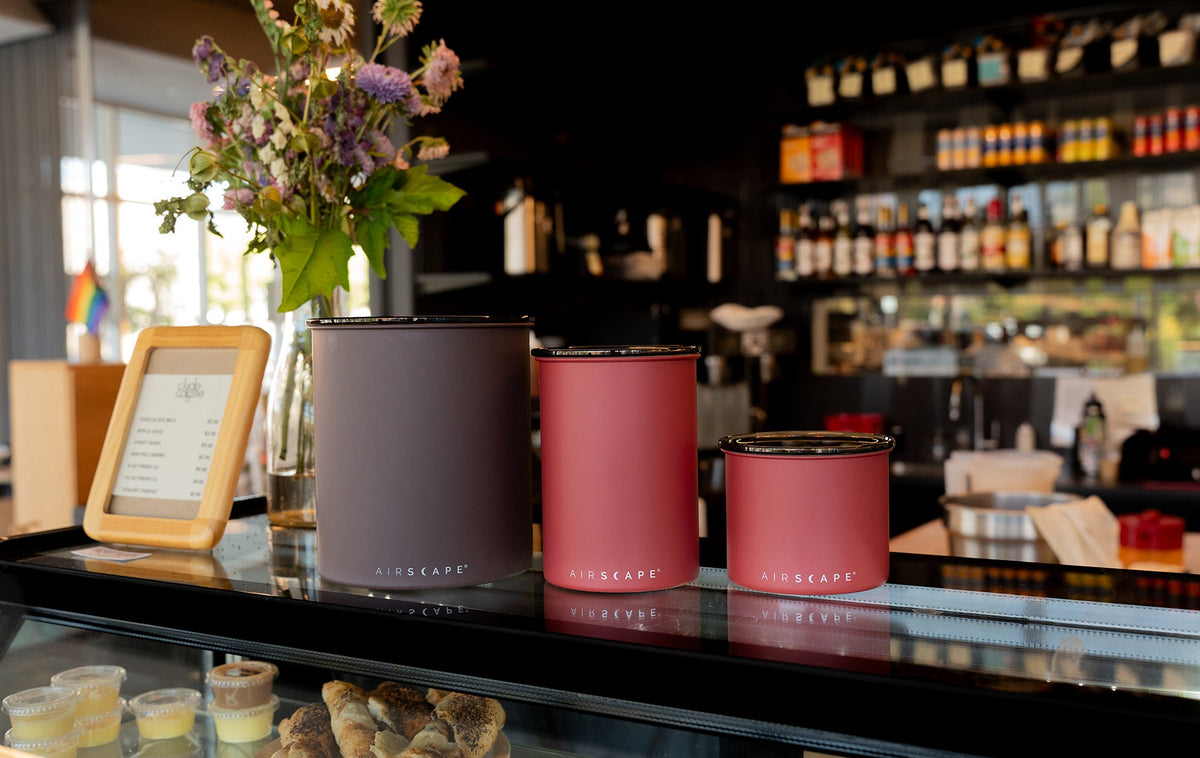
The Airscape® Classic Coffee Canister is available in stainless steel and handles everything from coffee beans to flour, sugar, nuts, and bulk grains. The steel version is lighter and more packable than glass, which makes it a better fit if you're storing food in an RV, cabin, or anywhere you need containers that can handle being moved around. It's also the go-to for anyone who wants a pantry system that'll survive daily use without babying it.
Stainless steel containers are dishwasher-safe, and because the material doesn't absorb odors or stains, you can switch contents without worrying about flavor carryover. That's useful if you're rotating seasonal items, storing pumpkin seeds in fall, then switching to sunflower seeds in spring, or if you're using the same container for different bulk goods as you work through inventory.
For pet food, the Airscape® Bucket Insert Lid converts a standard five-gallon bucket into an airless container. It's the only product in the line sized for a large bag of kibble, and it's built to handle the rough use that comes with scooping food daily. The steel insert lid forces air out as it descends, which prevents the fat coating on kibble from oxidizing and turning rancid, the most common reason dogs refuse food halfway through a bag.
Recycled plastic containers are lighter and cheaper than glass or steel, and they're a reasonable option for short-term storage or items that don't contain fat. The Airscape® Classic is also available in BPA-free plastic, which delivers the same airless valve mechanism at a lower price point.
Plastic makes sense if you're storing dry goods that turn over quickly, cereal, crackers, or pasta that you'll finish within a few weeks. It's also a practical choice for households with kids, where dropped containers are a regular occurrence. The trade-off is longevity: plastic will eventually stain, scratch, or retain odors, especially if you're storing strong-smelling foods like onions or garlic.
In 2026, plastic still holds about 52 percent of the global food storage container market, largely because of cost and convenience. But the trend is shifting toward glass and stainless steel as consumers prioritize reusability and chemical inertness. If you're choosing plastic, look for containers made from recycled material and built with replaceable lids or seals so you're not throwing away the whole unit when a gasket wears out.
Never use plastic for anything oily or fatty unless you're prepared to replace it within a year or two. Oils penetrate plastic over time, and no amount of washing will fully remove the residue. For nuts, seeds, pet food, or bulk grains, glass or steel is the better investment.
Start with the items you buy in bulk or replace most often. Flour, sugar, rice, pasta, oats, and coffee are the usual suspects. A matched set of Airscape airtight canisters creates visual order, but you don't need to replace everything at once, add containers as you work through what's already open.
If you're converting existing jars, Fresh-Port® valve lids fit standard wide-mouth mason jars and turn them into airless containers for about $16 per lid. That's the most cost-effective way to build a uniform pantry without buying new jars. Pair them with Airgone® argon gas if you're storing items with fat content (nuts, seeds, or whole-grain flours) where oxygen exposure accelerates spoilage.
For bulk storage, the Airscape® Bucket Insert Lid handles five-gallon quantities of flour, rice, or pet food. It's the only product in the line sized for warehouse purchases, and it's built to sit in a pantry or garage without taking up counter space. The insert lid forces air out as it descends, which keeps bulk goods fresh for months instead of weeks.
Group containers by use: baking staples together, breakfast items together, snacks together. Label everything, especially if you're using opaque steel containers where you can't see inside. A sustainable pantry is one you'll actually use, which means it needs to be functional first and aesthetic second.
Dry pet food is coated in fat to make it palatable, and that fat oxidizes when exposed to oxygen. Rancid kibble smells noticeably off, a sour, stale odor that most animals refuse, and it's the reason you'll often find a half-full bag of food that your dog won't touch. The problem isn't the food going stale; it's the fat going rancid.
Standard pet food bins are sealed containers that trap oxygen inside with the kibble. That's fine for keeping pests out, but it does nothing to slow oxidation. An airless system evacuates the oxygen first, which keeps the fat fresh and the food palatable from the top of the bag to the bottom.
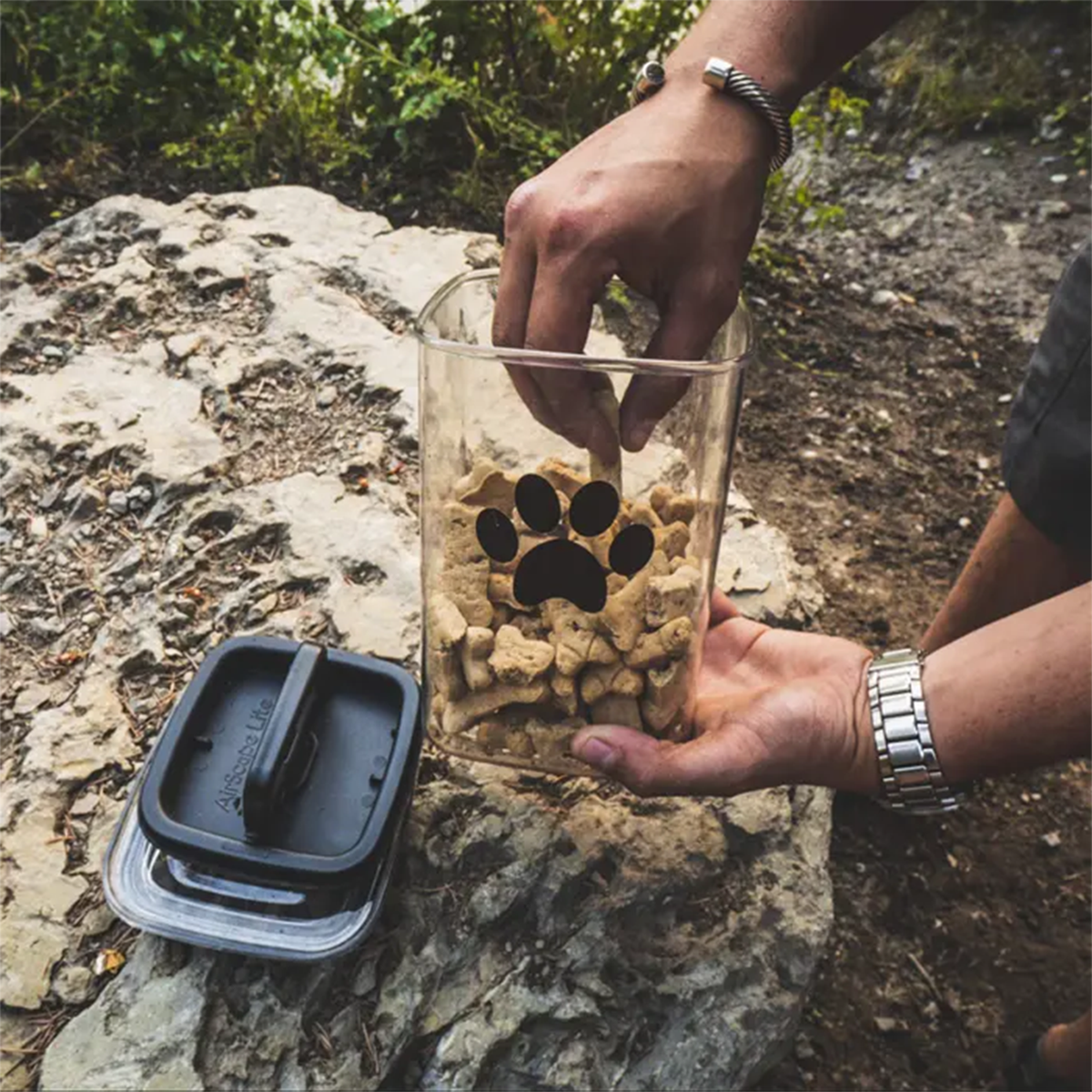
The Airscape® Bucket Insert Lid fits a standard five-gallon bucket and handles a large bag of kibble. The inner lid descends directly onto the food, forcing air out through a one-way valve as it goes. It's a mechanical seal: no pump, no electricity, and it's designed to handle daily scooping without losing effectiveness.
If you're buying 20- or 30-pound bags, the bucket system pays for itself by preventing waste. Rancid food gets thrown out, which means you're buying replacement bags sooner than you should. An airless container extends the usable life of each bag, which reduces waste and saves money over time.
Meal prep containers are a subset of the sustainable storage market, valued at about $0.09 billion in 2026 and projected to grow as more people batch-cook for the week. The key is finding containers that seal well enough to prevent leaks but are still easy to open and clean daily.
Glass meal prep containers with silicone lids are a durable option for portioned meals. They're microwave-safe, dishwasher-safe, and they won't stain or retain smells the way plastic does. Stainless steel bento boxes are lighter and more packable, but they can't go in the microwave, fine if you're eating cold salads or reheating on the stovetop, less practical if you rely on microwave lunches at work.
For dry snacks or trail mix, smaller Airscape® canisters keep nuts and seeds fresh without the bulk of a full-size container. The 250g Classic fits easily in a backpack or desk drawer, and the airless seal prevents oils from going rancid even if the container sits open for weeks.
Avoid single-use plastic bags or disposable containers marketed as compostable unless you have access to industrial composting. Most compostable plastics require commercial facilities to break down, and they'll sit in a landfill just like regular plastic if your city doesn't offer the right infrastructure.
Silicone lids and beeswax wraps are reusable alternatives to plastic wrap, and they work well for covering bowls or wrapping partial vegetables. Silicone is dishwasher-safe and lasts years, while beeswax wraps need to be hand-washed and replaced every six to 12 months as the wax wears off.
Neither is a true storage container, they're covers, not sealed systems. They're fine for short-term refrigerator storage but won't keep food fresh for weeks the way a sealed canister will. If you're storing cut onions, leftover herbs, or half an avocado, a beeswax wrap or silicone lid does the job. If you're storing bulk flour or a bag of coffee, you need an actual container with a seal.
Silicone bags are another option for freezer storage. They're reusable, they seal well enough to prevent freezer burn, and they're easier to clean than the old-style zipper bags. The trade-off is cost: a set of silicone bags runs $20 to $40, compared to a few dollars for a box of disposable bags. The payback comes over time as you stop buying single-use plastic.
The biggest mistake is choosing containers based on looks instead of function. A beautiful ceramic canister that doesn't seal properly will let flour clump and nuts go rancid just as fast as leaving them in the original bag. Aesthetics matter, but preservation comes first.
Another common error is buying too many small containers when a few large ones would work better. Bulk goods need bulk storage: a five-pound bag of rice doesn't fit in a one-quart jar, and trying to split it across multiple containers just creates more work. Match container size to purchase size, and leave some headspace for the airless lid to descend if you're using a valve system.
Don't assume all glass or steel containers are equal. A jar with a rubber gasket seal will eventually need a replacement gasket, and if the manufacturer doesn't sell parts separately, you'll end up replacing the whole jar. Look for systems with replaceable lids or seals: Fresh-Port® Inner Plunger Lids for Airscape® canisters are sold separately, which means you're repairing instead of replacing.
Finally, don't overlook the storage environment. Even the best container won't keep food fresh if it's sitting in direct sunlight or next to a heat source. Store containers in a cool, dry place, and use opaque materials like Airscape coffee storage or stainless steel for light-sensitive items like coffee and tea.
Are glass or stainless steel containers better for food storage? Glass is better if you want to see contents at a glance and you're storing items in a stationary pantry. Stainless steel is lighter, more durable, and better for anything that might get dropped or moved frequently. Both are non-reactive and will last decades, so the choice comes down to how you'll use them.
How do airless containers prevent food from spoiling? Airless containers use a two-lid system: an inner lid descends onto the food and forces air out through a one-way valve, creating a vacuum seal. This removes oxygen from the container instead of trapping it in, which slows oxidation and keeps fats from going rancid. It's a mechanical process that doesn't require pumps or electricity.
Can I use regular mason jars for long-term food storage? Regular mason jars with standard lids are fine for short-term storage, but they trap oxygen inside with the food. For long-term storage, especially for items with fat content, add a Fresh-Port® valve lid to convert the jar into an airless system. The valve removes oxygen and extends shelf life significantly.
What's the best way to store pet food to prevent it from going rancid? Use an airless container like the Airscape® Bucket Insert Lid, which fits a standard five-gallon bucket and forces air out as the inner lid descends. Dry pet food is coated in fat that oxidizes when exposed to oxygen, so removing air from the container prevents the rancid smell that makes animals refuse food.
Are compostable food containers actually sustainable? Most compostable containers require industrial composting facilities to break down, and they'll sit in a landfill like regular plastic if your city doesn't offer that service. Reusable glass or stainless steel containers are more sustainable because they eliminate waste entirely instead of relying on end-of-life processing.
Sustainable food storage is about choosing containers that'll outlast the food you put in them. Glass, stainless steel, and ceramic are the materials that deliver on that promise: they're non-reactive, they don't degrade, and they're built to be used daily for years. Pair durable materials with preservation technology that actively removes oxygen, and you've got a system that reduces both food waste and the need to replace containers every few years.
Start with the bulk items you buy most often (flour, sugar, rice, coffee, or pet food) and add containers as you work through what's already open. If you're converting jars you already own, Fresh-Port® valve lids are the most cost-effective entry into an airless system. If you're buying new, Airscape® canisters in glass or stainless steel deliver matched aesthetics with patent-protected preservation technology. For bulk storage, the Bucket Insert Lid handles five-gallon quantities and prevents waste from spoilage.
A sustainable pantry isn't just about the containers, it's about the food you're not throwing away. When flour stays dry, nuts stay fresh, and kibble still smells good at the bottom of the bag, you're reducing waste at the source. That's the kind of sustainability that compounds over time, one bag of groceries at a time. Shop Airscape® and Fresh-Port® storage systems to build a pantry that works as hard as you do.
How to Store Pre-Rolls So They Don't Dry Out
How to Store Dry Dog Food: Keep Kibble Fresh to the Last Scoop
Sustainable Food Storage Containers That Actually Work
Glass vs Plastic Storage Containers: Which Is Right for You?
Best Way to Store Cannabis Buds: Complete 2026 Guide
Share:
Glass vs Plastic Storage Containers: Which Is Right for You?
How to Store Dry Dog Food: Keep Kibble Fresh to the Last Scoop