What to Bring to the Farmers Market: How to Pack a Farmers Market Tote Bag So Nothing Gets Crushed
Bring a structured farmers market tote bag with separate pockets, an insulated bag or insert with a cold source for anything perishable, small bills and a short list. Pack heavy, sturdy items at the bottom, give eggs, bottles and flowers their own compartments, and get meat, dairy and cut produce into the fridge within two hours, or within one hour when it's above 90°F.
This guide is for anyone who has come home from the market with cracked eggs, crushed peaches or a bouquet that dripped all over the bread. Maybe you shop on foot or by bike, maybe you're buying for a family of five, or maybe you just want Saturday morning to feel less like a juggling act. Below, we walk through what to bring, how to load a bag in the right order and how to keep perishables safe on the way home.
Here's what we'll cover:
- The short list of what to bring to every market
- Why a flat, floppy tote is the root of most market damage
- How to load a tote in the right order, stall by stall
- How to keep meat, cheese and eggs cold until you get home
- The packing mistakes that cost you the most produce
What Should You Bring to the Farmers Market?
The best market kit is small. You need something to carry your haul, something to keep perishables cold and a way to pay. Everything else is optional.
Start with a sturdy tote that can stand up on its own. A bag that collapses every time you set it down forces you to hold it open with one hand while you pay with the other, and that's when things tip over. Add an insulated bag or insert plus a cold source, such as a frozen gel pack or a frozen water bottle, if you plan to buy meat, fish, cheese or eggs. Bring small bills and some coins, because many vendors take cards now, but plenty of smaller stands still prefer cash. A short list keeps you from buying three kinds of greens and forgetting onions.
A few extras help: a produce bag for loose green beans or cherry tomatoes, a small towel for a wet bouquet and a water bottle for yourself.
Why Do Groceries Get Crushed in a Regular Tote?
Most reusable totes are a single open pouch. Everything you buy goes into the same space, so it piles up in the order you bought it. The peaches from the first stall end up under the potatoes from the fourth. The bag sags, the contents shift and the softest items lose.
Gravity isn't the only problem. When a tote has no rigid base, it folds in on itself the moment you put it down in the car. A glass bottle of cider rolls into a carton of eggs. Bread gets wedged against a cabbage. Even careful packing at the market falls apart over a few turns on the drive home.
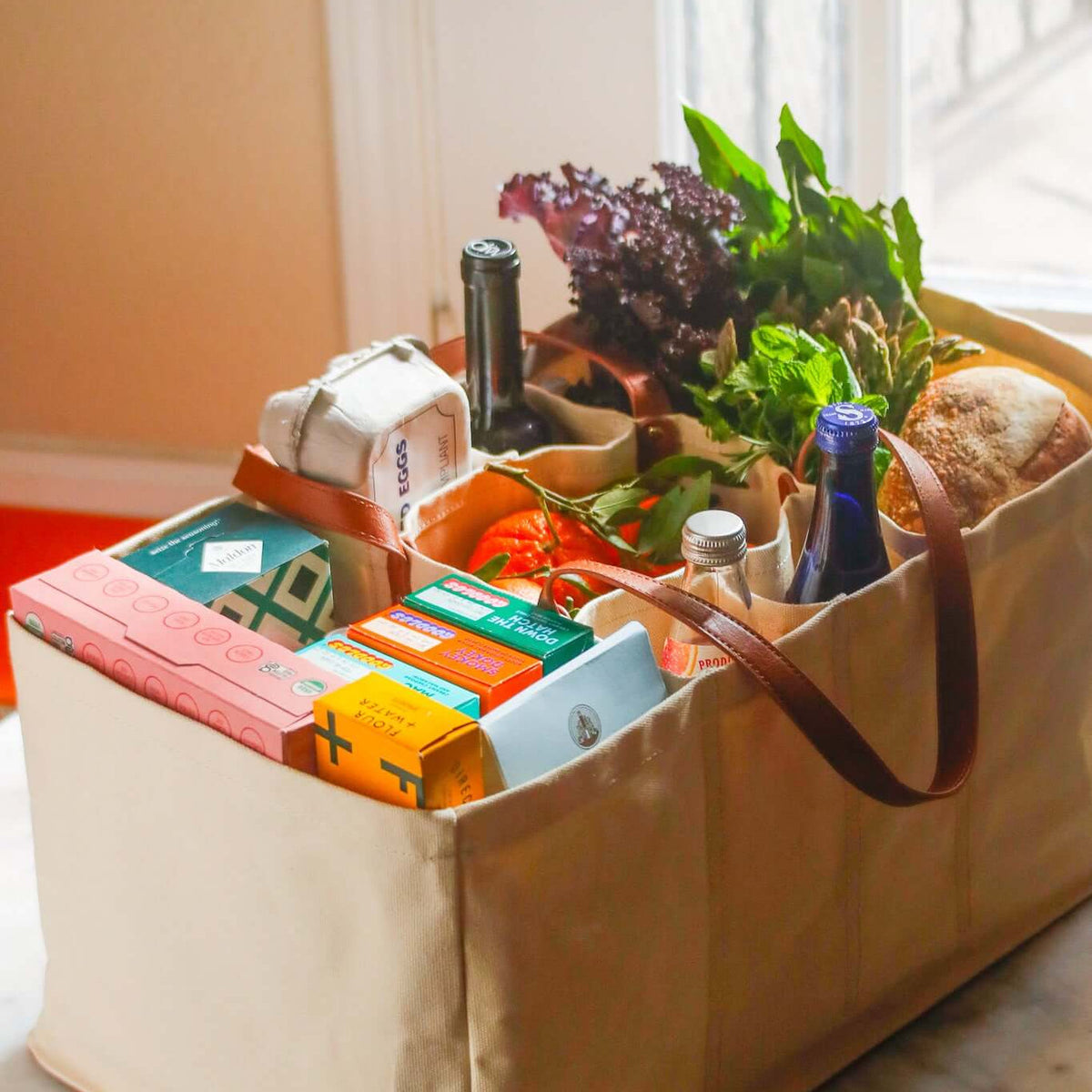
The fix is structure and separation. A bag that holds its shape keeps items where you put them, and compartments mean the eggs never meet the potatoes in the first place. That's the whole idea behind a purpose-built market tote rather than a giveaway canvas bag.
What Makes a Good Farmers Market Tote Bag?
Look for four things: a base that stands on its own, separate pockets sized for real groceries, handles strong enough for a full load and a size you can actually carry once it's full.
A stable base matters more than people expect. If the bag stands upright at the checkout table, you can load it with both hands and it won't tip in the trunk. Pockets matter next. A tote with dedicated slots for eggs, bottles and long items like baguettes or leeks keeps fragile things upright and separated. Handles should be wide enough to carry comfortably when the bag is heavy, and attached well enough that you trust them with a watermelon.
Size is a balancing act. A huge bag is tempting, but a medium tote packed well is easier to carry several blocks than an oversized one packed badly. If you regularly buy for a big household, a larger structured bag is worth it. If you walk or bike to the market, a medium size you can hold on one shoulder usually wins.
How We Designed the CapaBunga® Market Tote
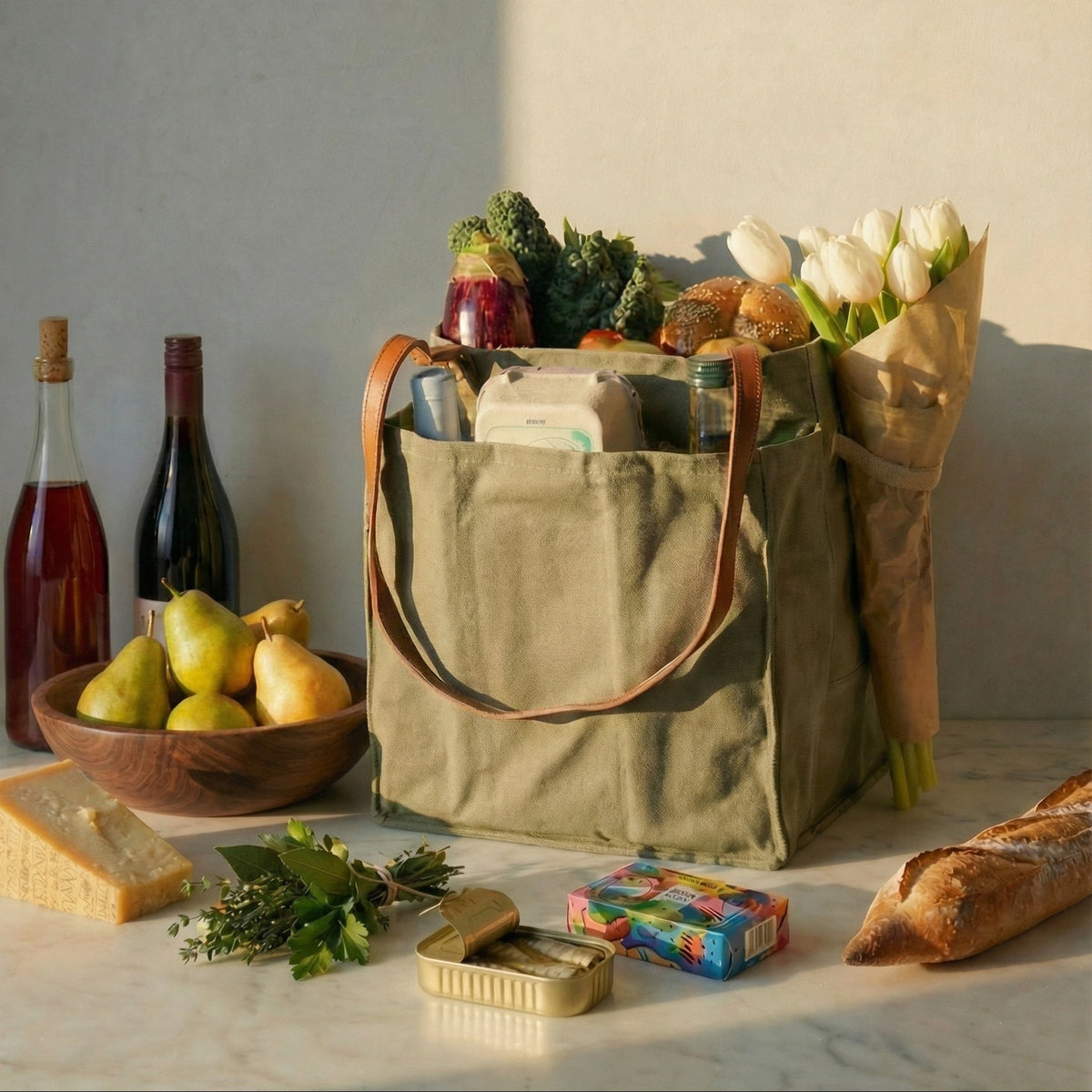
We built the Multi-Pocket Canvas Market Tote around exactly this problem. It's heavyweight canvas with six external pockets large enough for a dozen eggs, a baguette, glass bottles, carrots or celery and fragile fruit. A vegan leather base lets it stand upright on its own from the vendor's table to your kitchen counter, and there's a dedicated flower holder so a wet bouquet drips on the ground instead of on your groceries. Inside, you'll find a phone pocket and a built-in carabiner for your keys. It measures 11.5" x 11" x 13", weighs 26 ounces and is rated to carry at least 35 pounds. Epicurious named it the best tote to take to the farmers market.
How Should You Pack a Tote at the Market?
Think of a full tote in layers and zones. Heavy, dense items go low and central. Fragile items go in their own pockets. Tall items stand upright along the sides. Delicate greens and berries go on top or in a separate slot, last.
The trouble is that markets don't let you shop in packing order. You might find perfect strawberries at the first stall and potatoes at the last. So plan your route instead. If your market is a single row, walk it once to see what's there, then shop on the way back in the order you want to pack: heavy and hardy first, fragile and perishable last.
The Bottom Layer: Heavy and Hardy
Potatoes, onions, winter squash, apples, melons and jars go in first, in the main compartment. These items can take weight on top of them and they anchor the bag so it doesn't tip. Keep jars upright and wedge them between firmer produce so they can't knock into each other.
The Side Pockets: Fragile and Tall
Eggs get their own pocket every time. So do glass bottles of milk, cider or kombucha, which should ride upright. A baguette or a bunch of leeks stands in a tall pocket where it won't get folded. Flowers go in a flower holder or wrapped in a towel and tucked along the outside.
The Top Layer: Soft and Delicate
Berries, ripe stone fruit, tomatoes, herbs and salad greens go in last and stay on top. Berry clamshells and paper pints should sit flat. If you buy soft cheese or a pastry, it belongs up here too, or in a cold compartment if it needs to stay chilled.
How Do You Keep Meat, Cheese and Eggs Cold on the Way Home?
Bring cold with you. A tote keeps things organized, but it won't keep them cold on its own. Perishables need an insulated bag or cooler and a cold source.
The USDA's rule is simple: refrigerate perishable food within two hours of buying it, and within one hour if the air temperature is above 90°F. FoodSafety.gov recommends bringing an insulated bag or cooler with ice, frozen gel packs or frozen beverages to keep perishables below 40°F while you finish shopping and travel home, and suggests buying perishable items last. The USDA Food Safety and Inspection Service notes that bacteria can double in as little as 20 minutes in the 40–140°F "Danger Zone."
Three habits cover most situations. First, only buy raw meat and poultry from vendors who are keeping it cold. Second, buy your perishables at the end of your trip, not the start. Third, make the market your last stop before home. A two-hour window disappears fast if you grab coffee, run to the hardware store and then hit traffic.
Where an Insulated Insert Fits In
A separate cooler works, but it's one more thing to carry. That's why we designed the Black Insulated Insert to fit the center section of the Market Tote. It was originally made for carrying fish and meat home from the farmers market, and it's just as useful for drinks and sandwiches on a picnic. Drop in a frozen gel pack and your proteins stay in their own chilled zone while your produce rides in the pockets around it. If you'd rather buy them together, the Green Market Tote with Insulated Insert comes with the insert included.
How Do You Keep Raw Meat Away From Produce?
Separation is the second half of market food safety. Juices from raw meat and poultry can leak from packaging, and if they reach your berries or lettuce, any bacteria come along for the ride.
FoodSafety.gov advises putting raw meat and poultry in a separate bag from ready-to-eat items like fruits and vegetables, and washing or sanitizing your hands after handling those packages. In practice, that means meat goes in the insulated insert or its own bag, never loose in the main compartment next to the greens. If you want an extra layer of protection, slip packaged meat into a small washable bag before it goes into the insert.
This is also why it pays to keep your market tote for food. Research from the University of Arizona and Loma Linda University, published in Food Protection Trends, found coliform bacteria in about half of the reusable grocery bags tested, and found that 97% of shoppers interviewed had never washed their bags. A bag that also carries gym clothes or garden soil all week isn't the cleanest place for a head of lettuce.
How Do You Carry Flowers, Bread and Bottles Without Damage?
These three items cause more trouble than anything else at the market, because they're tall, awkward and easy to crush.
Flowers are wet, top-heavy and fragile. Lying them flat across the top of a bag bruises the blooms and soaks everything underneath. Keep them upright with the stems pointed down and away from your food. A dedicated flower holder on the outside of the bag does this neatly. Without one, wrap the stems in a damp towel and a plastic bag and carry the bouquet separately.
Bread wants to stay dry and uncrushed. A baguette in a tall side pocket stays straight and out of the way. Round loaves do best on top, never under a squash.
Bottles should ride upright in their own pocket so they can't roll. Glass is heavy, so keep bottles low on the bag and centered when you can, and never let two bottles knock against each other. A tote that stands up on its own matters most here, because a bag that tips over in the car is a bag that breaks bottles.
Market Packing Guide: Where Each Item Belongs
Use this table as a quick reference while you shop. It works for any structured tote, and it maps neatly onto a multi-pocket design.
| Item |
Where It Goes |
Why |
Keep Cold? |
| Potatoes, onions, squash, apples |
Main compartment, bottom |
Heavy and hardy, anchors the bag |
No |
| Eggs |
Dedicated pocket, upright |
Can't take any weight |
Yes, if the vendor kept them cold |
| Glass bottles (milk, cider) |
Side pocket, upright, low |
Heavy, rolls and breaks |
Milk yes, cider check the label |
| Baguettes, leeks, celery |
Tall side pocket |
Long items fold and snap if laid flat |
No |
| Berries, stone fruit, tomatoes |
Top layer or separate pocket |
Bruise under weight |
Berries once home |
| Herbs and salad greens |
Top layer |
Wilt and crush easily |
Yes, once home |
| Raw meat, fish, poultry |
Insulated insert with a cold source |
Must stay below 40°F and away from produce |
Yes, always |
| Soft cheese, yogurt |
Insulated insert |
Perishable dairy |
Yes |
| Flowers |
Flower holder or carried separately |
Wet and top-heavy |
No |
What Are the Most Common Farmers Market Packing Mistakes?
Shopping in the order you see things is the first and most common mistake. It feels natural to grab what looks good as you walk, but it guarantees the most fragile items end up at the bottom. Take one lap first, then shop in packing order.
Forgetting the cold source is the second. An insulated bag without ice or a gel pack is just a bag. On a warm morning, the insulation slows warming down, but it can't keep meat below 40°F without something cold inside. Freeze a gel pack or a water bottle the night before and leave it by your keys.
Overloading one bag is the third. A tote rated for a heavy load can carry it, but your shoulder may not enjoy six blocks of it. If you buy for a big household, split the haul across two bags or step up to a larger structured tote rather than cramming everything into one.
Mixing raw meat with produce is the fourth, and the one with the biggest consequences. Keep meat in its own insulated section or bag every time, even if it's well wrapped.
Leaving the bag in a hot car is the fifth. A parked car heats up fast in summer. If you have errands after the market, either bring a real cooler or save them for another trip.
How Do You Store Your Market Haul Once You're Home?
The trip doesn't end at the front door. Unpack perishables first: meat, fish, dairy and eggs go straight into the fridge. Then handle the produce.
FoodSafety.gov notes that perishable produce like strawberries, lettuce, herbs and mushrooms should be refrigerated once you get home, while whole fruits and vegetables can sit out at the market without refrigeration. Hardy items like potatoes, onions and winter squash do best in a cool, dark spot rather than the fridge. Wait to wash berries until just before you eat them, since extra moisture speeds up mold.
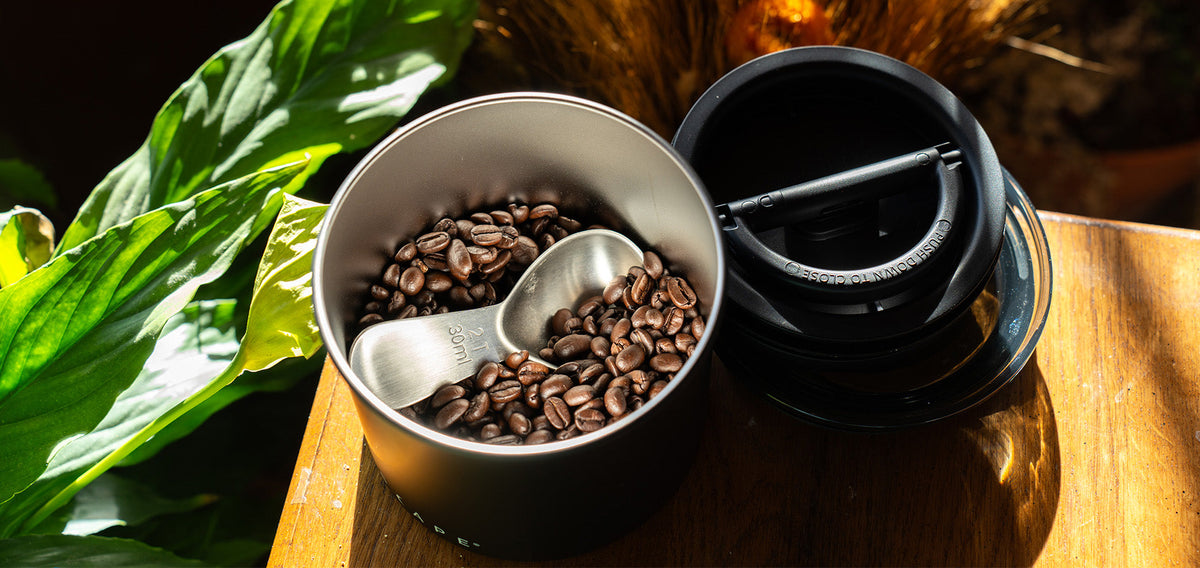
If you picked up freshly roasted beans from a local roaster at the market, give them a proper home too. An Airscape® canister keeps them fresher than the bag they came in: an outer lid closes the container, and an inner lid descends directly onto the beans, pushing air out through a one-way valve as it goes. The valve lets air out but won't let it back in, so you remove oxygen instead of trapping it. No pumps, batteries or electricity.
Finally, empty the tote completely and shake out any soil or leaves. For our market totes, we recommend a spray-on fabric protectant such as Scotchgard™ before the first use, then spot cleaning the canvas and vegan leather with warm, soapy water and a sponge and letting it air dry. Wipe the insulated insert after any trip with meat or fish and let it dry open.
Frequently Asked Questions
What size tote bag is best for the farmers market? A medium tote that holds around a week's worth of produce for one or two people works for most shoppers, especially if you walk or bike. Our Market Tote measures 11.5" x 11" x 13" and carries at least 35 pounds. If you shop for a larger household, a bigger structured bag like our Large Multi-Pocket Grocery Tote gives you more room without losing the compartments.
Do I need a cooler for the farmers market? You need one if you're buying meat, fish, dairy or eggs and won't be home within two hours, or within one hour on a day above 90°F. An insulated bag or insert with a frozen gel pack is enough for most trips. For long drives or very hot days, a hard-sided cooler with ice is the safer choice.
How do I keep eggs from breaking in a tote bag? Give the carton its own pocket and keep it upright so nothing rests on top of it. Never put eggs in the main compartment under other groceries. A bag with a rigid base also helps, because it won't fold over and crush the carton when you set it down.
Can I use my farmers market tote for other things? Yes, and many people do, for picnics, beach days, gardening or carrying wine. Just keep food safety in mind. If the bag carries soil, gym clothes or other non-food items during the week, clean it before it goes back to grocery duty, and keep raw meat in a separate insulated section.
What should I buy first at the farmers market? Buy heavy, hardy items like potatoes, squash and apples first, since they go at the bottom of your bag. Save fragile produce, flowers and perishables like meat and cheese for the end of your trip, so they ride on top and spend the least time out of the cold.
Bring Home Everything You Picked
A good market trip ends with the same food you chose at the stalls: unbruised peaches, whole eggs, a baguette that's still a baguette. The difference usually isn't luck. It's a bag that holds its shape, a pocket for every fragile thing and a cold source for anything perishable.
Pack heavy items low, fragile ones in their own pockets and perishables on ice. Make the market your last stop. Clean the bag before next week. Those habits take a minute and save you a lot of crushed produce.
When you're ready to retire the floppy giveaway bag, take a look at our Market Tote collection, with multi-pocket canvas totes, an insulated insert and a larger grocery tote for bigger hauls.







Share:
How Long Does Wine Last After Opening? A Guide by Wine Type
How to Choose a Reusable Grocery Tote That Actually Pays Off: Materials, Reuse Math and Care