





- by Madeline Staples
How to Clean Pour Over Coffee Maker: Complete Guide
- by Madeline Staples
Rinse your pour-over coffee maker with hot water immediately after each brew, then wash with warm water and mild dish soap using a soft sponge. For deep cleaning once a week, soak the dripper and carafe in equal parts white vinegar and water for 15-20 minutes to remove coffee oils and mineral deposits that can affect the optimal pour-over temperature.
This guide is for anyone who brews pour-over coffee at home or on the trail and wants to keep equipment clean for better-tasting coffee. We'll walk you through daily cleaning routines, deep cleaning methods for stubborn stains, and specific care for different materials.
You'll learn:
Daily cleaning steps that take less than two minutes
Weekly deep cleaning methods using vinegar, baking soda, or salt
Material-specific care for glass, ceramic, and stainless steel
How to prevent mineral buildup and coffee oil residue
When to replace filters and accessories
Coffee oils build up inside your dripper and carafe with every brew. These oils turn rancid within days, creating a brown film that makes your fresh coffee taste stale or bitter. You're essentially mixing yesterday's oils with today's beans.
Mineral deposits from water accumulate too, especially if you're using tap water. These deposits clog the tiny holes in your dripper, slowing your pour rate and throwing off your brew time. In 2026, water quality remains the most overlooked factor in both brewing and cleaning; good water matters for both.
A clean pour-over maker also lasts longer. Coffee oils can degrade rubber gaskets and seals over time. Mineral scale can etch glass and ceramic surfaces permanently if left unchecked. Regular cleaning protects your investment.
Empty your used coffee grounds right after brewing, before they dry and stick to the filter basket. Tap the dripper gently over your compost bin or trash to release the grounds completely.
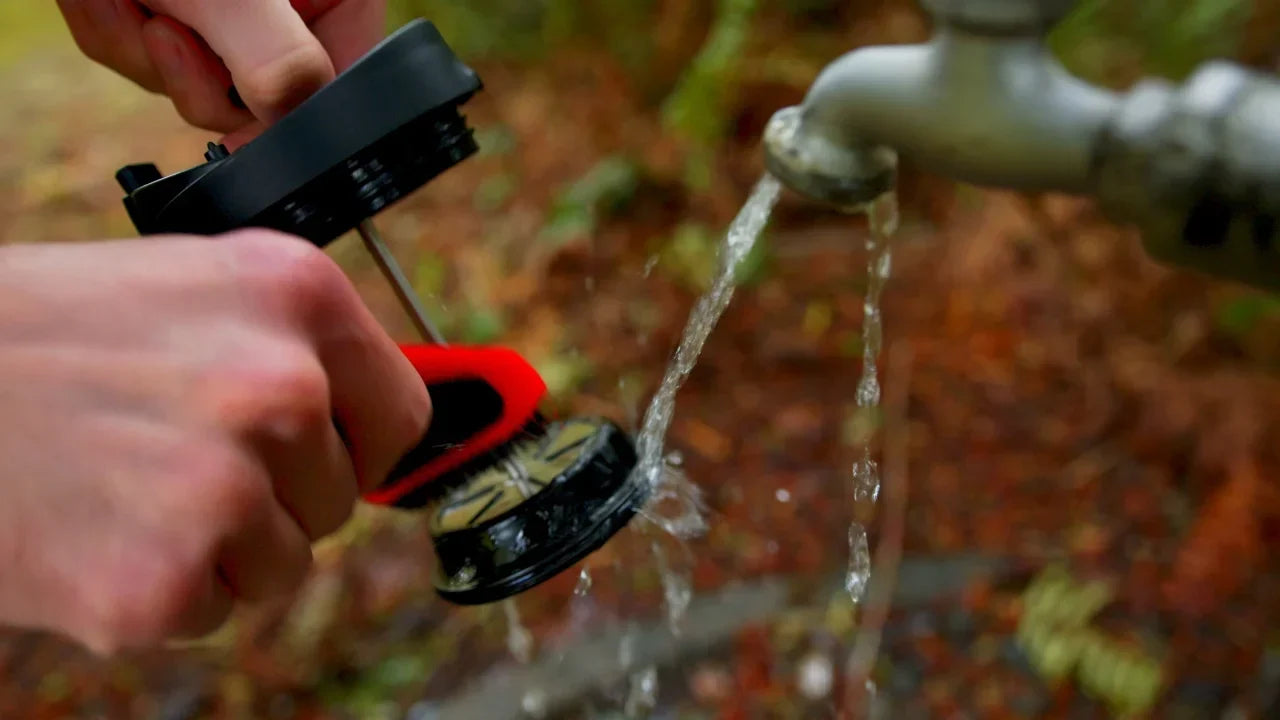
Run hot water through the dripper while it's still warm. The heat helps dissolve coffee oils before they set. Hold the dripper under your faucet and let the water flow through the holes for 10-15 seconds. This simple step prevents most buildup.
Rinse your carafe or server with hot water too. Swirl the water around to loosen any sediment at the bottom. This takes 30 seconds and saves you scrubbing later.
Fill your sink with warm water and add a few drops of mild, unscented dish soap. Avoid heavily scented soaps; they can leave residue that affects coffee flavor.
Use a soft sponge or bottle brush to wash the inside of your dripper and carafe. Pay attention to the pour spout and the grooves where the filter sits. These spots trap oils. For ceramic or glass brewers, a non-abrasive sponge works best to avoid scratching.
Rinse everything thoroughly with hot water until the soap is completely gone. Soap residue tastes worse than coffee oils. Let the pieces air dry on a dish rack, or dry them with a clean towel.
At Planetary Design, we design our ethoz® pour over brewers with smooth, easy-to-clean surfaces and removable parts that fit standard bottle brushes. No hidden crevices where oils hide.
Mix equal parts white vinegar and water in a container large enough to submerge your dripper. A 1:1 ratio works for routine weekly cleaning. For heavily stained equipment, use straight vinegar.
Submerge your dripper and let it soak for 15-20 minutes. The acetic acid in vinegar dissolves mineral deposits and breaks down coffee oils without harsh chemicals. You'll see the brown film start to lift.
For stubborn stains, extend the soak to one hour. Check the progress after 30 minutes; if the stains are loosening, you're on track. After soaking, scrub gently with a soft brush to remove any remaining residue.
Rinse the dripper thoroughly with hot water at least three times. Vinegar smell lingers, and you don't want it in your next brew. Sniff the dripper after rinsing; if you still smell vinegar, rinse again.
Mix three parts baking soda with one part water to create a thick paste. This works especially well on white ceramic or glass brewers where brown stains show clearly.
Apply the paste to stained areas using a soft cloth or sponge. Let it sit for 10-15 minutes. Baking soda is mildly abrasive and alkaline, so it lifts stains without scratching smooth surfaces.
Scrub in circular motions with gentle pressure. You'll feel the grit working against the stain. For textured surfaces or tight corners, use an old toothbrush to reach into grooves.
Rinse thoroughly with warm water. Check for any remaining paste in corners or under the rim. Baking soda residue won't hurt you, but it can affect your coffee's pH and taste flat.
Fill your glass carafe one-quarter full with ice cubes. Add two tablespoons of table salt and a splash of water, just enough to let the ice move freely.
Swirl the mixture vigorously for 30-60 seconds. The ice and salt create an abrasive slurry that scrubs the inside of the glass without scratching. This method works better than a brush for reaching the bottom of narrow carafes.
You'll see brown residue come loose immediately. The salt dissolves coffee oils while the ice provides scrubbing action. Empty the mixture and rinse with hot water.
Never plunge a hot glass carafe into cold water or ice. Let it cool to room temperature first. Thermal shock can crack or shatter glass, even borosilicate glass. This applies to popular glass brewers and any glass server you're using.
Glass brewers need gentle handling but tolerate vinegar and baking soda well. Avoid metal scrubbers; they'll scratch the surface and create places for oils to hide. Use soft sponges and the ice-salt method for tough stains.
Ceramic drippers are more porous than glass, so they absorb oils faster. Clean them daily without fail. Vinegar soaks work well, but don't use abrasive scrubbers on glazed ceramic; you'll dull the finish. Unglazed ceramic needs more frequent deep cleaning because oils penetrate the surface.
Stainless steel brewers resist staining and handle rougher scrubbing. You can use slightly abrasive sponges on brushed stainless without worry. Vinegar removes water spots and restores shine. Avoid chlorine bleach; it can pit stainless steel over time.
Our ethoz® line uses durable borosilicate glass that withstands temperature changes better than standard glass. The smooth interior makes cleaning faster, and the wide opening lets you reach every surface with a standard sponge.
Deep clean once a week if you brew daily. Coffee oils build up quickly with regular use, and a weekly vinegar soak prevents them from becoming permanent stains. This schedule keeps your coffee tasting fresh.
If you brew less frequently, two or three times a week, deep clean every two weeks. Less frequent brewing means less oil buildup, but you still need to remove mineral deposits from your water.
Deep clean immediately if you notice any off-flavors in your coffee. Rancid oils taste sour or bitter. Brown film on your carafe means oils have oxidized. Don't wait for your next scheduled cleaning.
At camp or on the trail, rinse your pour-over maker thoroughly after each use, even if you can't do a full wash. When you return home, deep clean before storing. This prevents oils from setting during storage and keeps your gear ready for the next trip.
Paper filters are single-use. Discard them with the coffee grounds after brewing. Don't rinse and reuse paper filters; they break down and release paper fibers into your coffee.
Metal filters need rinsing after every brew. Hold the filter under hot running water and rub gently with your fingers to dislodge trapped grounds. Once a week, soak metal filters in the same vinegar solution you use for your dripper.
Cloth filters require more attention. Rinse them immediately after brewing with hot water until the water runs clear. Store them in a container of clean water in your refrigerator between uses. This prevents mold growth. Deep clean cloth filters weekly by boiling them in water for 10 minutes.
Replace cloth filters every three months or when they start to smell musty. Even with proper cleaning, cloth fibers eventually trap oils permanently. Metal filters last years with proper care.
Yes, use mild dish soap for daily cleaning. The key word is mild; choose unscented, dye-free soap. Heavily perfumed soaps leave residue that flavors your coffee.
A few drops are enough. You're not washing a greasy pan. You're removing lighter coffee oils. Too much soap means more rinsing, and soap residue ruins coffee faster than coffee oils do.
Rinse thoroughly after washing. Hold your dripper up to the light and look for soap bubbles or film. If you see any, keep rinsing. The rinse step matters more than the wash step.
Skip the soap on unglazed ceramic or porous materials. These surfaces absorb soap, and you'll never rinse it out completely. For these materials, stick with hot water and weekly vinegar soaks.
Use filtered or distilled water for brewing. Tap water contains minerals, primarily calcium and magnesium, that leave deposits on your equipment. These deposits are the white, chalky residue you see after water evaporates.
If you must use tap water, descale more frequently. Hard water areas require weekly vinegar soaks instead of monthly. You'll see mineral buildup faster, especially around the dripper holes.
Dry your equipment completely after washing. Water spots are mineral deposits. Wipe your carafe and dripper with a clean towel instead of letting them air dry. This prevents spotting on glass and stainless steel.
Store your pour over maker in a dry place. Humidity causes mineral deposits to form even when you're not brewing. If you live in a humid climate, store your equipment in a cabinet rather than on an open shelf.
Check your manufacturer's instructions first. Some stainless steel and ceramic drippers are dishwasher-safe, but many glass brewers are not. High heat and harsh detergents can damage delicate equipment.
Glass carafes often crack in dishwashers from temperature changes and jostling. Even if the glass survives, dishwasher detergent can etch the surface over time, making it cloudy.
Top rack placement is safer for dishwasher-safe pieces. The top rack has gentler water pressure and lower temperatures. Secure smaller parts so they don't flip over and fill with dirty water.
Hand washing gives you better results anyway. You can inspect each piece as you clean it, checking for cracks, chips, or stubborn stains that need extra attention. It takes two minutes and protects your equipment.
Avoid chlorine bleach on all pour-over equipment. Bleach is too harsh for coffee gear. It pits stainless steel, weakens glass, and leaves a chemical smell that's nearly impossible to remove from porous materials like ceramic.
Skip abrasive cleaners and steel wool. These scratch smooth surfaces, creating tiny grooves where coffee oils accumulate. Once scratched, your equipment becomes harder to clean and stains faster.
Don't use heavily scented cleaners or antibacterial soaps. The fragrances and antimicrobial chemicals leave residue that affects coffee flavor. Coffee is sensitive; you'll taste even trace amounts of cleaning products.
Avoid automatic dishwasher detergent for hand washing. It's too concentrated and contains additives that don't rinse away easily. Stick with regular dish soap designed for hand washing.
Bring a small bottle of biodegradable soap in your pack. You don't need much; a travel-size bottle lasts weeks. Choose unscented soap to avoid attracting wildlife.
Rinse your dripper and carafe immediately after brewing, before the oils set. Use hot water from your kettle if you have leftover water from brewing. Cold stream water works too, but takes more scrubbing.
If you're in the backcountry, dispose of soapy water at least 200 feet from water sources. Dig a small hole, pour the soapy water in, and cover it. Even biodegradable soap harms aquatic ecosystems if poured directly into streams.
Pack a small scrub brush or sponge. A bottle brush that collapses or folds saves space. You can also use a bandana or camp towel for wiping; just dedicate one to cleaning so you're not using your face towel on coffee equipment.
Our BruTrek® line includes pour over brewers designed for backcountry durability. Stainless steel construction means no worrying about breaking glass on rocky campsites, and the smooth interior cleans easily with just water and a bandana when soap isn't practical.
Replace glass brewers if you see cracks, even hairline cracks. Cracked glass can shatter during brewing, especially when you pour hot water. It's not worth the risk.
Ceramic drippers with chips or cracks should be replaced. Cracks trap coffee oils and bacteria. Chips can break off into your coffee. If the glaze is wearing off, the ceramic becomes more porous and harder to clean.
Stainless steel brewers last indefinitely with proper care. Replace them only if they develop dents that affect the pour rate or if rust appears. Quality stainless steel shouldn't rust, but cheap alloys can corrode over time.
Replace metal filters when the mesh develops holes or tears. Check your filter every few months by holding it up to the light. If you see light coming through anywhere except the mesh openings, it's time for a new filter.
Rancid coffee oils taste sour and bitter. When you brew through a dirty dripper, you're mixing fresh coffee with oxidized oils from previous brews. Your coffee can't taste clean no matter how good your beans are.
Mineral deposits affect extraction. Scale buildup in the dripper holes slows your pour rate, increasing contact time between water and grounds. This leads to over-extraction and bitter, astringent coffee. Clean holes maintain consistent flow.
Soap residue tastes worse than anything else. Even a tiny amount of dish soap creates a chemical, artificial flavor that overpowers coffee. This is why thorough rinsing matters more than thorough washing.
Clean equipment also protects your coffee beans. If you're storing fresh-roasted beans in an Airscape® canister to preserve their flavor, don't waste that effort by brewing through dirty equipment. The valve system in Airscape® removes air to prevent oxidation, the same oxidation that makes coffee oils go rancid on your dripper.
Use baking soda paste or lemon juice instead. Mix three parts baking soda with one part water, apply to stained areas, let sit for 15 minutes, then scrub and rinse. Lemon juice works like vinegar; the citric acid dissolves mineral deposits and coffee oils. Soak your dripper in straight lemon juice for 20 minutes, then rinse thoroughly.
Yes, but only on glazed ceramic. Use mild, unscented dish soap and rinse thoroughly. Avoid soap on unglazed ceramic. It absorbs into the porous surface, and you'll taste it in your coffee. For unglazed ceramic, stick with hot water rinses and weekly vinegar soaks.
Coffee oils have penetrated porous surfaces or cracks. Try a longer vinegar soak, up to one hour, then scrub with baking soda paste. If the smell persists, the material may be permanently saturated with rancid oils. This happens with old cloth filters and unglazed ceramic that hasn't been cleaned regularly.
Soak for 15-20 minutes for routine weekly cleaning. Extend to one hour for stubborn stains or heavy mineral buildup. Don't soak longer than two hours; prolonged acid exposure can damage some materials. Always rinse thoroughly after soaking until the vinegar smell is completely gone.
Yes. Filtered water removes some minerals but doesn't eliminate coffee oils. The oils build up regardless of water quality and turn rancid within days. Clean your equipment daily even if you use distilled water. The water quality affects mineral buildup, not oil buildup.
Clean equipment makes better coffee, period. Rinse after every brew, wash daily with mild soap, and deep clean weekly with vinegar. These simple steps take less than five minutes total and protect both your coffee flavor and your investment in quality brewing gear.
The material matters too. Glass needs gentle handling, ceramic needs daily attention, and stainless steel tolerates rougher treatment. Match your cleaning method to your equipment, and it'll last years.
At Planetary Design, we've spent 15 years designing coffee equipment that's built to last and easy to maintain, from our ethoz® pour over brewers with smooth, accessible surfaces to our BruTrek® backcountry gear that cleans with just water and a bandana. Whether you're brewing at home or on the trail, clean equipment means better coffee. Start with a thorough cleaning today, then stick to the daily rinse habit. Your next cup will taste noticeably better.

How Long Does Wine Last After Opening? A Guide by Wine Type
Gifts for Wine Lovers: Practical Picks They'll Actually Use
How Many Scoops of Coffee Per Cup? A Measuring Guide for Every Brewer

What Is Argon Gas Used For? How It Keeps Coffee, Wine and Pantry Goods Fresh
Can You Store Coffee and Cannabis Together? A Side-by-Side Storage Guide
Share:
How to Store Coffee Beans Properly: Keep Them Fresh Longer
Pour Over Coffee Water Temperature: The Complete Guide