






- by Madeline Staples
How to Store Coffee Beans Properly: Keep Them Fresh Longer
- by Madeline Staples
Store your coffee beans in an airtight, opaque container at room temperature in a cool, dark, dry location, away from heat, light, moisture, and air. This simple approach preserves peak flavor for 1 to 3 weeks and keeps your morning brew tasting exactly as your roaster intended, regardless of your preferred coffee-brewing method.
This guide is for anyone who's opened a bag of fresh-roasted beans only to watch them go stale within days. Whether you're brewing at home, packing for a backcountry trip, or just tired of wasting good coffee, you'll learn the science behind proper storage and how to apply it.
The four enemies that destroy coffee freshness and how to eliminate them
Why your current storage method might be sabotaging your beans
Step-by-step protocols for different storage scenarios, daily use, long-term keeping, and travel
Specific container features that actually matter versus marketing hype
Roasted coffee beans start losing flavor the moment they leave the roaster. Oxygen triggers oxidation, breaking down the aromatic compounds that give coffee its complexity. Light accelerates this degradation. Moisture introduces off-flavors and can lead to mold. Heat speeds up every chemical reaction that makes beans go stale.
Properly stored beans retain peak flavor for one to three weeks at room temperature, with freshness lasting up to four weeks total before significant staling occurs. That's the window you're working with. Poor storage dramatically shortens this timeframe, sometimes to just days.
The difference shows up in your cup. Fresh beans produce rich aroma, balanced acidity, and distinct flavor notes. Stale beans taste flat, papery, or even rancid. You can't brew your way out of stale beans; no technique compensates for degraded coffee.
Transfer your beans immediately after opening the retail bag into a container designed to block the four enemies: air, moisture, heat, and light. Retail packaging isn't built for long-term storage, even bags with one-way valves.
Your container needs three features. First, airtightness, a seal that prevents oxygen from reaching your beans. Second, opacity: materials that block light completely. Third, minimal headspace: the container should match your bean quantity so there's little air trapped inside.
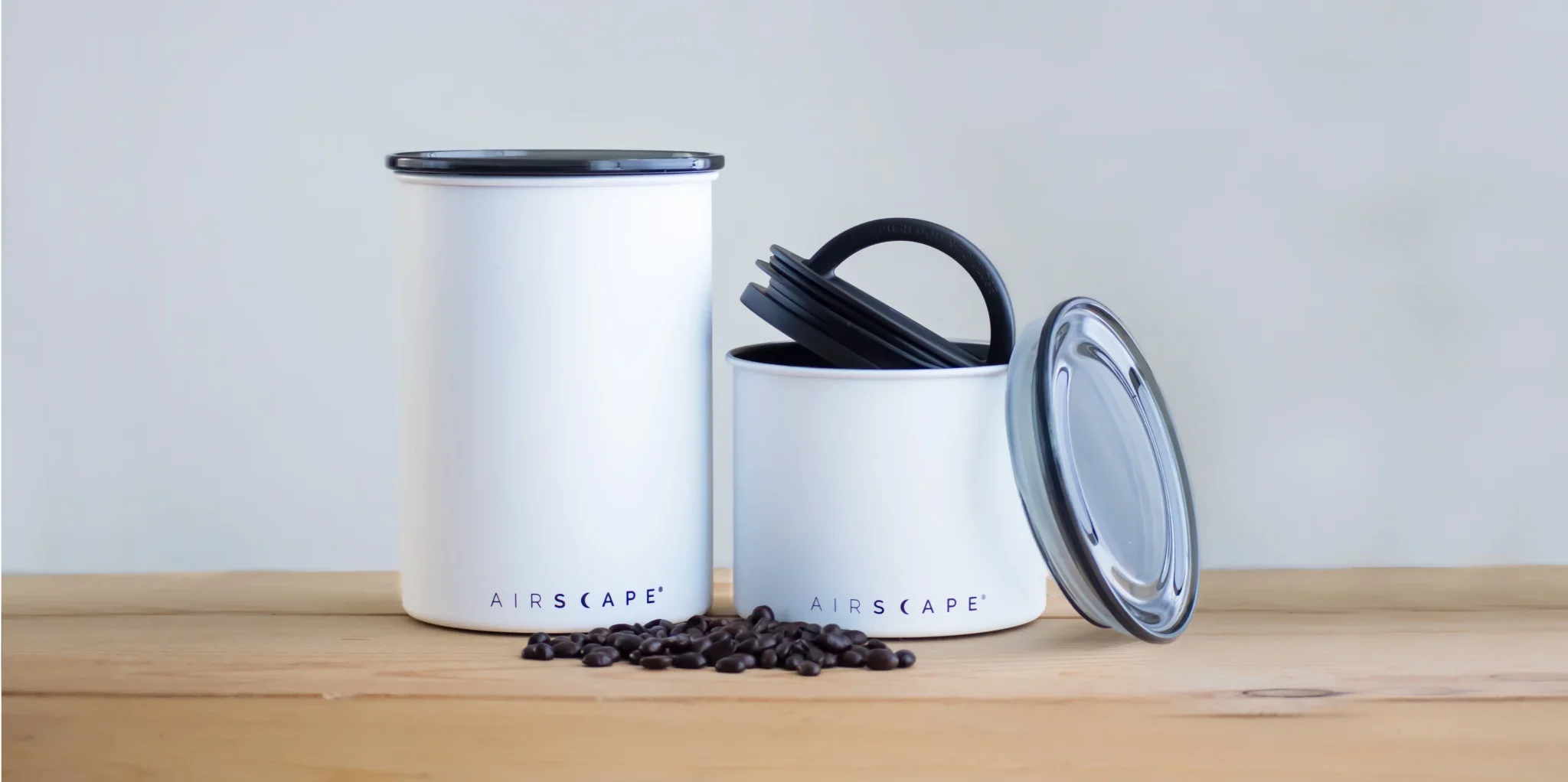
We designed the Airscape® valve system specifically for this challenge. It uses a patented two-way valve that physically pushes air out of the canister and locks it out, removing the oxygen that causes staling. The opaque stainless steel construction blocks all light. You adjust the inner lid to sit directly on your beans, eliminating headspace as you use them. This isn't just an airtight container; it's an air-removing storage system that extends freshness during multi-day trips or daily home use.
Glass jars fail the opacity test unless stored in a completely dark cabinet. Plastic containers can absorb oils and odors over time. Standard canisters with simple lids leave air trapped above your beans, while airtight sealed containers protect freshness by eliminating oxygen exposure. The container itself matters as much as where you put it.
Room temperature means 15 to 21 degrees Celsius (60 to 70 degrees Fahrenheit). Your beans need consistency; avoid locations where temperature fluctuates. The ideal spot is cool, dark, and dry.
Good locations: a pantry shelf away from the stove, a cabinet that doesn't get direct sunlight, a dedicated coffee station in a climate-controlled room. Bad locations: countertops near windows, shelves above the coffee maker (heat rises, which matters regardless of your coffee-brewing method comparison), and anywhere in the refrigerator or freezer for daily-use beans.
Refrigeration is strictly prohibited. Refrigerators introduce moisture that causes condensation when you remove beans, destroying aroma and introducing off-flavors. The cold also slows the natural degassing that occurs after roasting, which hinders flavor development in the first few days post-roast.
In high-humidity climates, coastal areas, and tropical regions, you need extra protection. Store beans in air-conditioned spaces when possible. Buy smaller quantities more frequently rather than stockpiling. The Airscape® system works particularly well in humid conditions because it removes air rather than just sealing it in with your beans.
Purchase coffee roasted within the past 72 hours when possible. Most specialty roasters print the roast date on the bag; look for it. Use beans within seven to 10 days of purchase for maximum flavor. This timeline assumes proper storage from the moment you get them home.
Buy quantities that match your consumption rate. If you brew two cups daily, a 12-ounce bag lasts roughly 10 days, perfect for the peak freshness window. Buying in bulk might save money, but you'll waste it if half the bag goes stale.
For multiple coffee types, different single origins, a blend for espresso, and a lighter roast for pour-over, portion them into separate containers. This prevents cross-contamination of flavors and reduces how often you expose each batch to air. Label containers with the roast date and the date you opened them.
Grind immediately before brewing, never in advance. Ground coffee has exponentially more surface area exposed to air than whole beans. It goes stale in hours, not days. Even the best storage can't save pre-ground coffee from rapid degradation.
Minimize air exposure every time you open your container. Scoop out what you need quickly, then reseal immediately. Don't leave the container open while you set up your brewing equipment.
Use clean, dry hands or a dedicated scoop. Oils from your skin transfer to beans. Moisture from wet hands introduces the enemy you've worked to eliminate. Keep your scoop in a dry location, not sitting in the container where it might trap humidity.
Never return beans to the container after they've been out. If you measure too much, brew it or discard it. Beans that have been exposed to air and then resealed will accelerate staling for the entire batch.
Check your beans regularly for signs of degradation. Fresh beans have a strong, pleasant aroma when you open the container. They should look slightly oily (for darker roasts) or dry but not dull (for lighter roasts). If they smell flat, musty, or like cardboard, they've passed their prime.
Freezing works only for long-term storage of unopened, vacuum-sealed bags. Frozen beans in proper packaging retain freshness for three to four months. This is your option when you find an exceptional coffee you want to preserve or when buying in bulk makes sense with bulk dry food storage containers.
The protocol is strict. The bag must be vacuum-sealed, with no air inside. Place it in the freezer immediately without opening. When you're ready to use it, remove the entire bag and let it come to room temperature completely before opening. This takes several hours. Once opened, never refreeze. Temperature cycling causes severe moisture damage through repeated condensation.
For daily use, freezing creates more problems than it solves. Every time you open the freezer bag to scoop beans, you introduce moisture through condensation. The beans never fully thaw, so you're grinding frozen coffee, which damages grinder burrs and produces inconsistent particle sizes.
Refrigeration offers no benefits for any storage scenario. The temperature isn't cold enough to meaningfully slow staling, but it's cold enough to cause constant condensation issues. Refrigerators also contain odors from other foods that coffee readily absorbs. There's no situation where refrigerating coffee makes sense.
Darker roasts have more oils on the bean surface, which oxidize faster than the compounds inside lighter roasts. This means dark roasts have a slightly shorter peak freshness window, closer to two weeks than three. They also show staling more obviously through a rancid or bitter taste.
Lighter roasts retain freshness a bit longer because they have less surface oil and higher density. However, they're more sensitive to moisture because their structure is less porous. In humid climates, light roasts need especially vigilant storage.
Medium roasts fall in between. They're the most forgiving of slight storage imperfections, though that doesn't mean you should be careless. All roast levels benefit equally from proper airtight, opaque, room-temperature storage.
Espresso blends often combine beans of different roast levels and origins. Store them exactly as you would single-origin beans; the same rules apply. The complexity of the blend makes staling more noticeable because you lose the balance between components.
Absolutely. Proper storage becomes even more critical when you're away from home because you can't easily replace stale beans. You need a container that's not just airtight and opaque, but also durable enough to handle the backcountry.
Our BruTrek® line is built for exactly this scenario: adventure-ready coffee gear that doesn't compromise on freshness. Its stainless-steel construction withstands the abuse of trail life while keeping beans fresh during multi-day trips.
Pack beans in quantities that match your trip length. For a weekend, bring enough for six to eight brews. For longer expeditions, consider portioning beans into smaller containers so you're not exposing your entire supply every time you brew. This is where having multiple small Airscape® canisters proves valuable.
Avoid storing beans in their original bag while traveling. Bags tear, seals fail, and you have no control over air exposure in a jostling pack. Transfer to a rigid, sealed container before you leave.
The biggest mistake is keeping beans in the bag they came in, even bags with one-way valves. These valves let gas escape during the first few days after roasting, but they don't prevent air from entering once you've opened the bag. That rolled-down bag with a chip clip isn't protecting your coffee.
Second most common: storing beans on the counter in clear glass jars. It looks attractive, but light destroys coffee faster than almost anything else. Even indirect sunlight through a kitchen window causes damage. If you can see your beans, they're being exposed to light.
Buying too much at once ranks third. That five-pound bulk bag seems economical until you realize the last pound tastes like cardboard. Calculate your consumption rate and buy accordingly. Freshness always beats bulk pricing.
Grinding beans in advance to save time in the morning wastes coffee. Ground coffee goes stale in hours because of the massive increase in surface area. You're throwing away everything that made those beans worth buying. If mornings are rushed, prep your brewing equipment the night before; just don't grind until you're ready to brew.
Finally, people underestimate humidity. If you live near the coast or in a tropical climate, standard storage advice isn't enough. You need airtight sealed containers with superior seals, and you need to buy smaller quantities more frequently, especially for items like coffee beans. The Airscape® valve system handles humid environments better than simple airtight seals because it removes the air rather than trapping humid air inside with your beans.
Properly stored beans retain peak flavor for one to three weeks after opening. They remain drinkable for up to four weeks total, though you'll notice declining quality after the three-week mark. This assumes you're using an airtight, opaque container at room temperature. Beans stored in their original bag or in poor conditions go stale much faster, sometimes within days.
Never refrigerate coffee beans. Refrigerators introduce moisture through condensation and expose beans to food odors, just as they would with dry food. Only freeze beans for long-term storage of unopened, vacuum-sealed bags, and only if you won't need them for months. Once frozen, let the entire bag come to room temperature before opening, and never refreeze. For daily use, room temperature storage in an airtight container is always best.
The best container is airtight, opaque, and sized to minimize headspace. Stainless steel works better than glass (which lets in light) or plastic (which absorbs oils). Look for containers with seals that actually remove air rather than just trapping it. The Airscape® valve system pushes air out and locks it out, which preserves freshness longer than standard airtight containers that leave air trapped above your beans.
No. Different beans have distinct flavor profiles, and storing them together can cause cross-contamination. Keep each coffee type in its own container. This also reduces how often you expose each batch to air, since you're only opening the container to brew the specific coffee. Label each container with the roast date and when you opened it.
Fresh beans smell strongly aromatic when you open the container. Stale beans smell flat, musty, or like cardboard. Visually, fresh beans look vibrant (oily for dark roasts, matte but not dull for light roasts). Stale beans appear dull and lifeless. The most obvious test is taste: stale coffee lacks complexity, tastes papery or bitter, and has no distinct flavor notes. If your coffee doesn't smell good when you open the container, it won't taste good when you brew it.
Proper storage isn't complicated, but it's not negotiable if you care about coffee quality. Transfer beans immediately to an airtight, opaque container. Store at room temperature in a cool, dark, dry location. Buy quantities that match your consumption rate. Grind right before brewing. These four practices preserve the flavor you paid for.
We've spent 15 years refining coffee storage solutions because we're frustrated by the same thing you are: watching great coffee go stale unnecessarily. The Airscape® valve system removes the air that causes oxidation, not just seals it in. It's patent-protected technology that works whether you're home in your kitchen or five miles into the backcountry. Explore our storage solutions and taste the difference that proper storage makes in every cup.
Can You Store Coffee and Cannabis Together? A Side-by-Side Storage Guide
Caffeine and Cannabis: What the Research Actually Says
How to Store Pre-Rolls So They Don't Dry Out
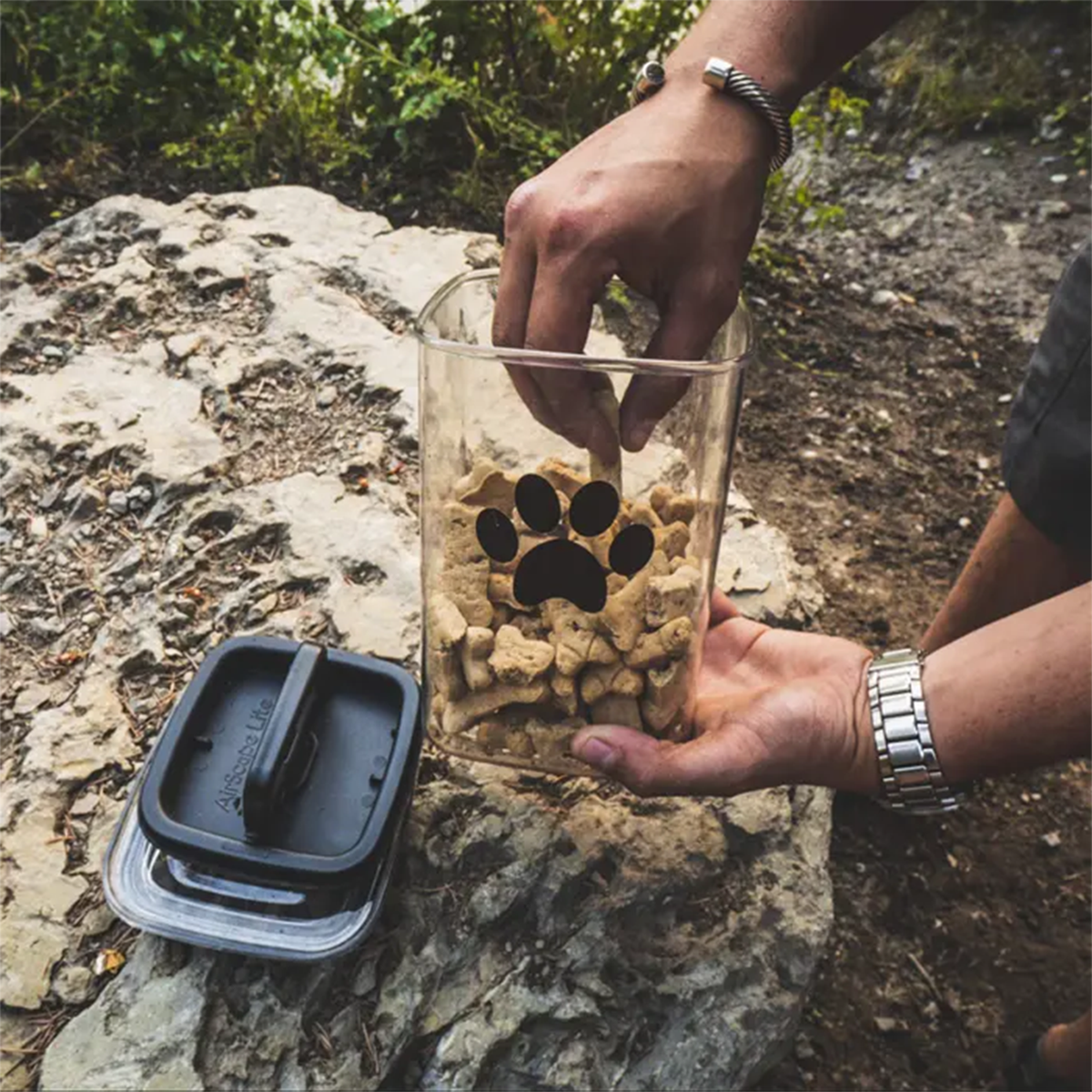
How to Store Dry Dog Food: Keep Kibble Fresh to the Last Scoop
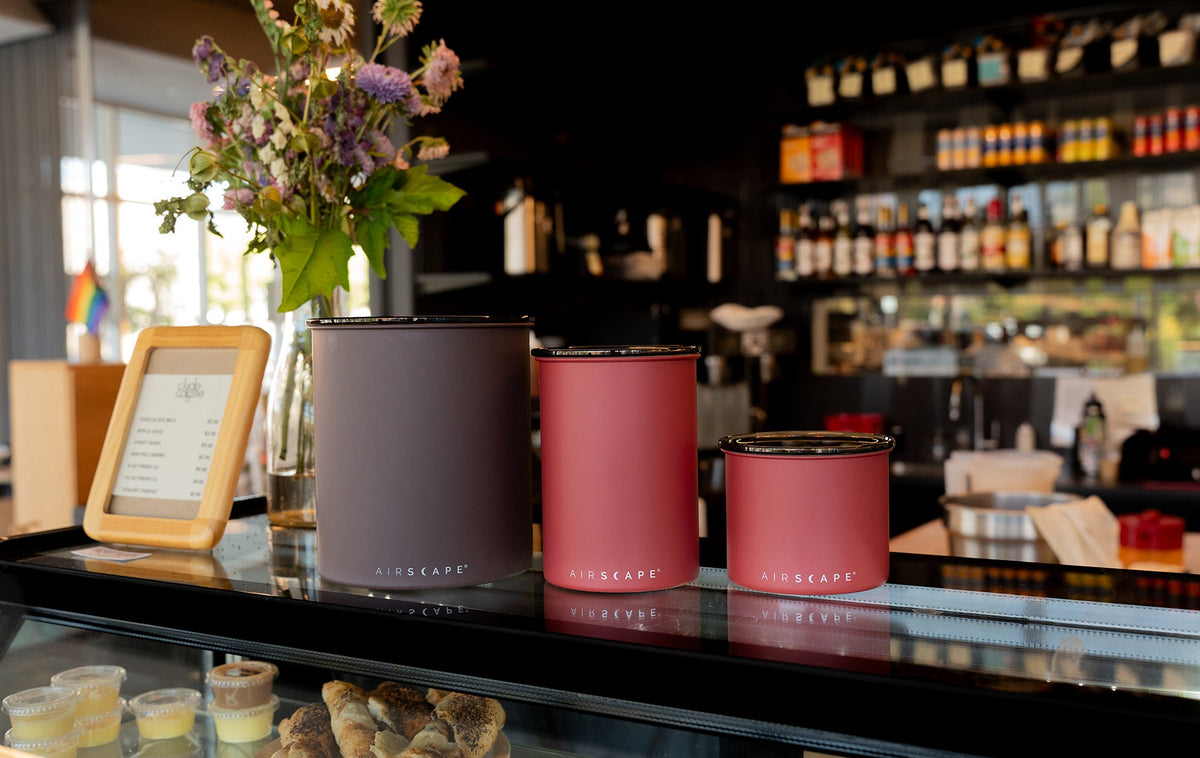
Sustainable Food Storage Containers That Actually Work
Share:
Pour Over Coffee Maker vs French Press: Which Brews Better?
How to Clean Pour Over Coffee Maker: Complete Guide