






- by Madeline Staples
How to Store Coffee Beans Long Term: Expert Guide
- by Madeline Staples
Store coffee beans long term by keeping them in an airtight, opaque container at room temperature in a cool, dark place, or freeze them in vacuum-sealed portions for three to four months. The key is limiting exposure to air, moisture, heat, and light, which are the four enemies that degrade flavor and aroma and reduce coffee freshness duration.
This guide is for coffee enthusiasts who buy beans in bulk, want to preserve seasonal roasts, or need reliable storage for cabin weekends and backcountry trips where fresh coffee isn't readily available. We'll walk you through the science of coffee staling, the best coffee storage jars and methods for long-term storage, and how to avoid common mistakes that waste good beans.
Coffee beans start losing freshness the moment they're roasted. Roasting creates hundreds of volatile aromatic compounds that give coffee its flavor, but these compounds break down when exposed to oxygen, moisture, heat, and light. The process is called oxidation, and it's the same chemical reaction that turns sliced apples brown.
Oxygen is the primary culprit. When oxygen molecules interact with the oils and compounds in roasted beans, they trigger staling reactions that flatten flavor and create stale, cardboard-like notes. Moisture accelerates this process by dissolving flavor compounds and encouraging mold growth. Heat speeds up all chemical reactions, including oxidation. Light, especially UV light, degrades aromatic oils and causes beans to lose their vibrant character.
Whole beans resist staling better than ground coffee because they have less surface area exposed to air. The National Coffee Association notes that ground coffee stored at room temperature retains freshness for only 1 to 2 weeks, while whole beans last 1 to 3 weeks under the same conditions. This is why we grind only what we need right before brewing, and why long-term storage in bean storage containers always means storing whole beans.
Your container is your first line of defense against the four enemies of freshness. The best long-term storage containers are airtight, opaque, and sized to minimize excess air around your beans.
Airtight means the container creates a seal that prevents oxygen from entering. Standard jars with rubber gaskets work for short-term storage, but they don't remove the oxygen already trapped inside with your beans. For longer storage, especially if you're keeping beans for weeks or months, you need a container that actively removes air.
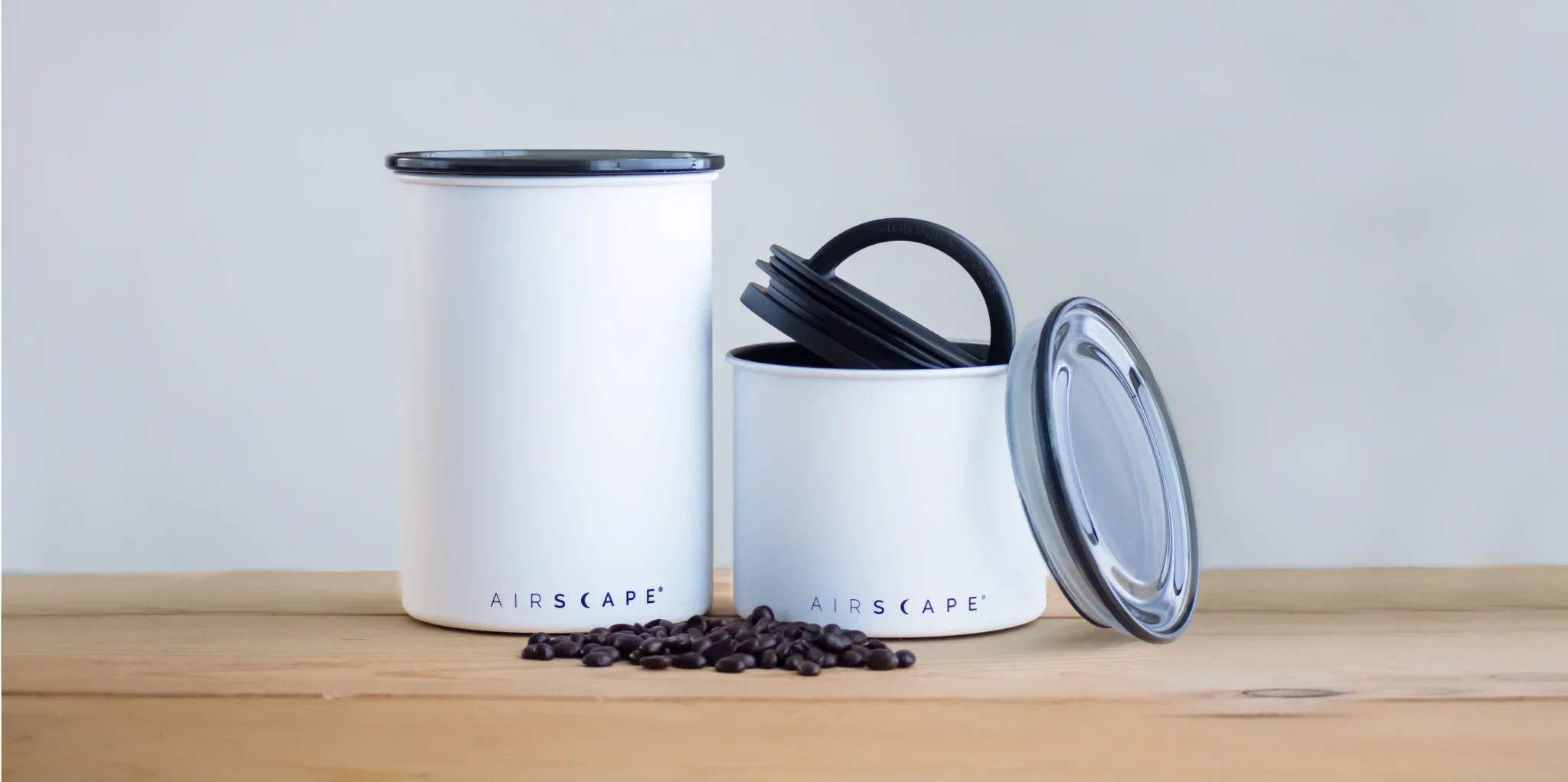
Our Airscape® canisters use a patented two-way valve system that pushes oxygen out as you press the lid down, creating a low-oxygen environment that slows staling. The inner lid forces air up and out through the valve, then seals tight to keep fresh air from getting back in. This isn't just marketing; it's a mechanical solution to the oxidation problem, and it's why we've been refining this design in Montana for 15 years.
Opaque containers block light, which is especially important if you're storing beans on a counter or shelf. Stainless steel, ceramic, and dark glass all work. Clear glass jars look nice, but they expose beans to UV degradation unless you store them in a completely dark cupboard.
Size matters because excess air means excess oxygen. If you're storing a half-pound of beans in a container designed for two pounds, you're leaving a lot of oxygen exposed to your coffee. Choose a canister that fits your batch size, or use the Airscape valve to press the lid down and eliminate that extra headspace.
Room-temperature storage is the default recommendation for beans you'll use within two to four weeks of roasting. The ideal spot is a pantry, cupboard, or cabinet away from heat sources like stoves, dishwashers, and windows. Consistent temperature matters more than absolute coolness; a stable 65°F is better than a space that swings between 55°F and 75°F throughout the day.
Avoid storing beans near the coffee maker itself. Espresso machines and drip brewers generate heat, which accelerates staling. Don't store beans on top of the refrigerator, either; it's one of the warmest spots in most kitchens.
Never refrigerate roasted coffee beans. Refrigerators are humid environments, and coffee is hygroscopic, meaning it absorbs moisture from the air. That moisture dilutes flavor compounds and can introduce off-flavors from other foods. Refrigerators also cycle on and off, creating temperature fluctuations that cause condensation inside your container when you open it.
Commercial roaster guidance in 2026 continues to emphasize room-temperature storage in a stable, cool place, with beans kept in airtight containers sized to minimize excess air. This hasn't changed because the chemistry hasn't changed; oxygen, moisture, heat, and light are still the enemies, and controlling them is still the solution.
Freezing extends the shelf life of roasted coffee beans to three to four months, according to the National Coffee Association's 2026 storage guidelines. Freezing slows oxidation and other staling reactions to a crawl, preserving the aromatic compounds that give coffee its flavor.
The key to successful freezing is preventing moisture and air from reaching your beans. Portion your beans into small, airtight coffee containers or vacuum-sealed bags before freezing. Each portion should hold only as much coffee as you'll use in one to two weeks, because you can't refreeze beans once they've thawed; doing so introduces condensation and ice crystals that ruin flavor.
Vacuum-sealed mylar bags work well for freezer storage if you have a vacuum sealer. Mylar blocks light and moisture, and vacuum sealing removes oxygen. If you don't have a vacuum sealer, use heavy-duty freezer bags and press out as much air as possible before sealing, or use small Airscape canisters that fit in your freezer and mechanically remove oxygen.
When you're ready to use a portion, remove it from the freezer and let it come to room temperature before opening the container. This step is critical. If you open a cold container in a warm room, moisture from the air will condense on the beans, introducing the exact problem you were trying to avoid. Let the sealed container sit on your counter for a few hours or overnight until it reaches room temperature, then open it and use the beans as usual.
The biggest mistake is storing beans in the bag they came in. Most retail coffee bags aren't designed for long-term storage. Even bags with one-way valves allow oxygen to remain inside after roasting, and the valves don't create a true airtight seal. Transfer your beans to a proper storage container as soon as you get them home.
Another common error is buying too much coffee at once. Even with perfect storage, roasted beans are best used within two to four weeks of roasting. If you're buying five-pound bags to save money, you're likely sacrificing freshness unless you freeze portions immediately. We recommend buying smaller amounts more often, or buying in bulk and portioning into freezer storage right away.
Don't grind beans before storing them. Ground coffee has exponentially more surface area exposed to oxygen, which means it stales much faster. The National Coffee Association's data show that ground coffee retains freshness for only 1 to 2 weeks at room temperature, half the shelf life of whole beans. Grind only what you need right before brewing, even if it means an extra step in your morning routine.
Avoid opening and closing your storage container repeatedly throughout the day. Every time you open the container, you introduce fresh oxygen. If you brew multiple times a day, consider keeping a small amount of beans in a daily-use container and refilling it from your main storage canister once a day. This minimizes oxygen exposure to your larger stash.
Oxygen removal, whether through vacuum sealing, nitrogen flushing, or mechanical displacement, creates an environment where oxidation reactions can't occur. Without oxygen, the aromatic compounds in roasted beans remain stable for much longer.
Vacuum sealing removes air (about 21% oxygen) from a sealed bag or container. Commercial roasters often use nitrogen flushing, which replaces oxygen with inert nitrogen gas before sealing bags. Both methods work, but they require specialized equipment.
The Airscape valve takes a different approach. Instead of removing all air, it removes the air in the headspace above your beans using a physical plunger that pushes down, forcing oxygen out through a two-way valve. When you press the inner lid down to the level of your beans, you're eliminating the oxygen-rich space where staling reactions occur. The valve then seals, preventing fresh air from re-entering.
This method doesn't require electricity, nitrogen canisters, or vacuum pumps. It's a mechanical solution you can use every day, at home, in a cabin, or at a remote camp, and it works with any batch size. As you use beans and the level drops, simply press the lid down again to create new headspace.
Green (unroasted) coffee beans store much longer than roasted beans because they haven't undergone the chemical changes that create volatile aromatic compounds. Industry guidance from late 2025 emphasizes stable oxygen and moisture levels, consistent temperature and humidity, and hermetic packaging for green-bean storage, with an ideal temperature range of 15°C to 20°C (59°F to 68°F).
Green beans can last six to 12 months or longer when stored properly, but they require careful humidity control to prevent mold and moisture damage. If you're buying green beans to roast yourself, store them in breathable bags (like burlap or jute) in a dry, cool space with good air circulation. Don't seal green beans in airtight containers; they need to breathe.
Once you roast green beans, all the long-term storage rules for roasted coffee apply. Transfer them to an airtight, opaque container immediately after they've cooled and degassed (usually 12 to 24 hours after roasting), and use or freeze them within two to four weeks.
Stale beans smell flat and dull instead of vibrant and aromatic. Fresh coffee releases a strong, complex aroma when you open the bag or grind the beans. If you open your container and don't immediately smell anything, or if the aroma is faint and one-dimensional, your beans have likely lost most of their volatile compounds.
Brewed coffee from stale beans tastes flat, bitter, or cardboard-like. You'll notice a lack of sweetness and complexity, and the finish will be short and unpleasant. Stale coffee lacks the brightness, acidity, and layered flavors that make specialty coffee worth drinking.
Visually, stale beans may look dull or slightly oily on the surface, though oiliness alone isn't a reliable indicator; some dark roasts are naturally oily right after roasting. A better test is to grind a small amount and smell it. If the aroma is weak or off-putting, the beans are past their prime.
If you're unsure, brew a cup and compare it to a fresh batch from the same roaster. The difference will be obvious. Fresh coffee should taste lively and complex, with distinct flavor notes. Stale coffee tastes like... coffee-flavored coffee, without any of the nuance.
Backcountry storage adds challenges: you need durability, portability, and protection from temperature swings, moisture, and physical abuse. Glass jars break. Plastic bags puncture. Thin-walled containers dent and lose their seal.
Our BruTrek® line is designed for exactly this use case: adventure-ready coffee gear that doesn't compromise on freshness. The BruTrek canisters combine the Airscape oxygen-removal system with rugged, double-walled stainless steel construction that survives getting tossed in a pack, dropped on granite, or frozen overnight in a tent.
For multi-day trips, portion your beans into daily amounts before you leave. This minimizes the frequency with which you open your main canister in the field, reducing oxygen exposure. If you're trekking in humid conditions, the Airscape valve becomes even more important: it removes moisture from the headspace and keeps your beans dry.
Pre-grinding beans for backcountry trips is tempting because it saves weight and effort, but it sacrifices flavor. Ground coffee stales in days, not weeks. If you care enough to bring good beans into the backcountry, bring a compact hand grinder and grind fresh each morning. The difference in your cup is worth the extra two minutes.
Mason jars work for short-term storage if you keep them in a dark cupboard, but they don't remove oxygen from the headspace. The rubber seal prevents new air from entering, but the oxygen already inside will continue to degrade your beans. For storage beyond one week, use a container with an oxygen-removal system, such as the Airscape valve.
Vacuum-sealed beans stored at room temperature last two to four weeks, similar to beans in airtight containers. Vacuum sealing removes oxygen, which slows staling, but it doesn't stop heat and light from affecting the beans. For storage beyond one month, freeze vacuum-sealed portions. Frozen vacuum-sealed beans last three to four months.
No. Refrigerators are humid, and coffee absorbs moisture and odors from other foods. The temperature fluctuations inside a fridge also cause condensation when you open your container, introducing moisture directly onto your beans. Store beans at room temperature in a cool, dark place, or freeze them for long-term storage.
No. Dark roasts and light roasts stale at similar rates when stored under the same conditions. Dark roasts may taste more forgiving when slightly stale because their roasted, caramelized flavors are less delicate than the bright, fruity notes in light roasts. But both lose freshness at the same pace once exposed to oxygen, moisture, heat, and light.
Only if the bag is truly airtight and you won't be opening it until you're ready to use all the beans. Most retail bags aren't designed for freezer storage and will allow moisture and air to reach your beans over time. For best results, transfer beans to vacuum-sealed bags or airtight freezer containers before freezing, and portion them so you thaw only what you'll use in 1 to 2 weeks.
Long-term coffee storage comes down to controlling four variables: air, moisture, heat, and light. Store beans in an airtight, opaque container at room temperature for up to four weeks, or freeze portioned amounts for three to four months. Remove as much oxygen as possible from your storage container, keep beans away from heat sources and humidity, and grind only what you need right before brewing.
The 2026 expert consensus hasn't changed because the chemistry hasn't changed. The National Coffee Association, commercial roasters, and specialty coffee sources all recommend the same fundamentals we've covered here. What has changed is the availability of better tools, like patent-protected oxygen-removal systems, that make it easier to preserve freshness without specialized equipment or guesswork.
If you're serious about coffee quality, whether you're brewing at home or at 10,000 feet, invest in storage that works. Our Airscape canisters and BruTrek adventure gear are built in Montana to solve the exact problems we've discussed: oxygen exposure, durability, and portability. They're not just containers; they're tools that extend the life of your beans and protect the investment you made in quality coffee. Your purchase also supports our Conservation Alliance partnership and Boundary Waters protection work, so you're funding concrete environmental action with every brew. Browse our storage solutions and taste the difference proper storage makes.
How Many Scoops of Coffee Per Cup? A Measuring Guide for Every Brewer

What Is Argon Gas Used For? How It Keeps Coffee, Wine and Pantry Goods Fresh
Can You Store Coffee and Cannabis Together? A Side-by-Side Storage Guide
Caffeine and Cannabis: What the Research Actually Says
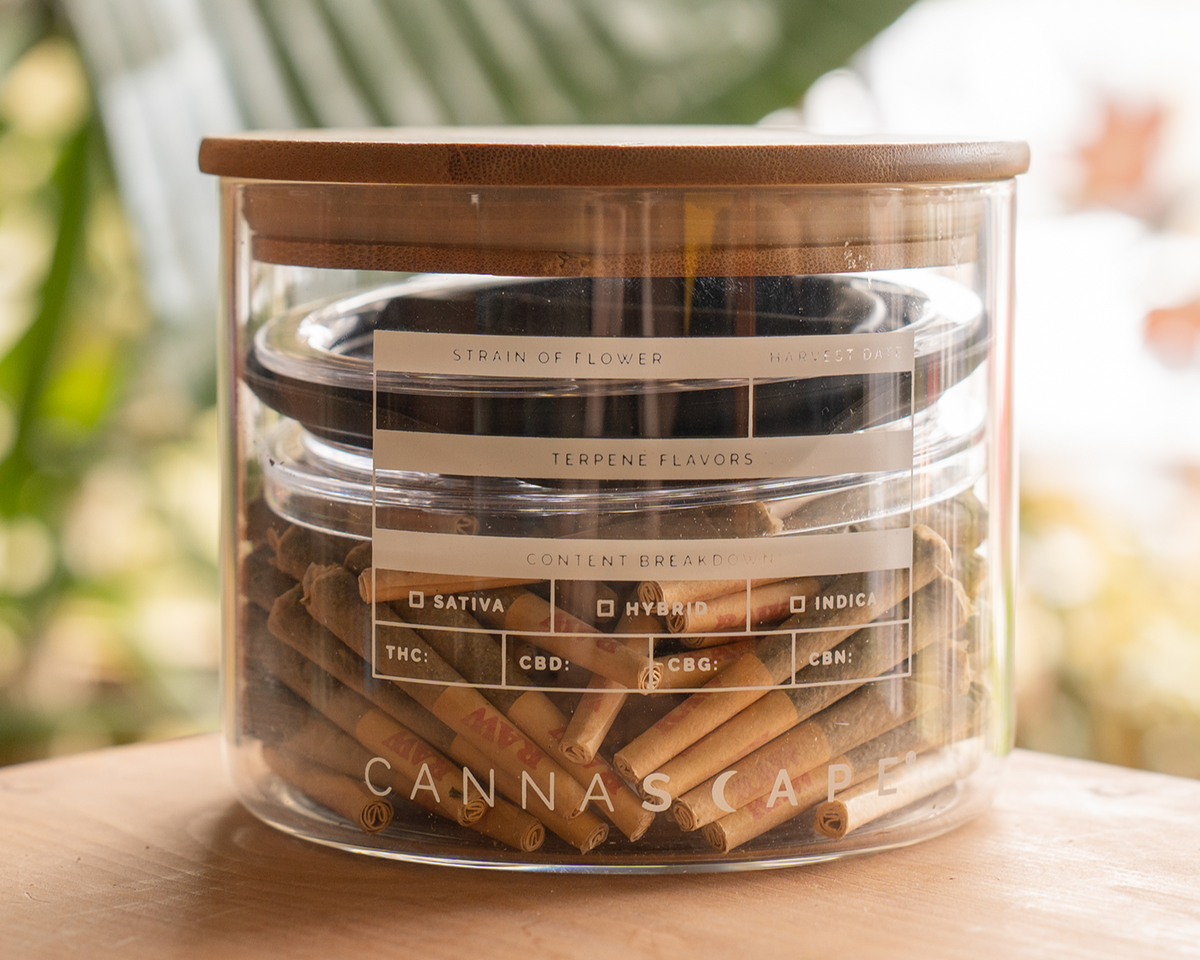
How to Store Pre-Rolls So They Don't Dry Out
Share:
Pour Over Coffee Water Temperature: The Complete Guide
How Long Does Coffee Stay Fresh? Storage Tips for Peak Flavor