





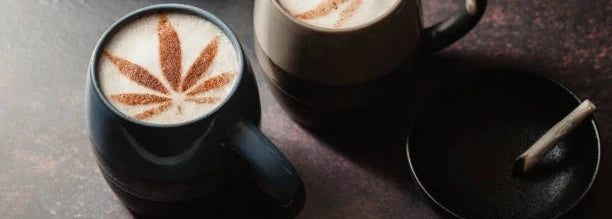
- by Madeline Staples
Can You Store Coffee and Cannabis Together? A Side-by-Side Storage Guide
- by Madeline Staples
You can keep coffee and cannabis in the same cabinet, but never in the same container. Both need protection from oxygen, light, and heat, yet they need opposite moisture: coffee beans should stay completely dry, while cannabis flower needs a steady 58–62% relative humidity. Separate airtight containers, stored together in a cool, dark spot around 60–65°F, keep both at their best.
This guide is for anyone who keeps a morning coffee setup and a cannabis stash within arm's reach of each other, whether that's a shared kitchen cabinet, a drawer on the bar cart, or a travel kit for the cabin. Mixing up their storage needs is easy, and the mistakes cost you on both sides: stale, odor-tainted coffee and brittle, flavorless flower. We'll cover where the two overlap, where they split, and how to set up one storage station that protects both.
Here's what we'll cover:
The three storage enemies coffee and cannabis share
Why humidity is where the two go in opposite directions
How odors move between coffee, cannabis, and containers
A side-by-side setup that keeps both fresh
The most common mistakes when storing them together
Plenty of people already do. The National Coffee Association's Spring 2026 National Coffee Data Trends report found that 66% of U.S. adults drank coffee in the past day, and a Gallup poll published in August 2026 found that 17% of Americans say they smoke marijuana, tying the all-time high. That's a lot of households where beans and flower end up living a few inches apart.
There are good reasons to keep them near each other. Both are premium, perishable products you buy in small amounts and want to protect. Both lose value through the same basic process: their aromatic compounds escape or break down when they're exposed to the wrong conditions. And if you enjoy both in your daily routine, a single, organized station is simpler than two stashes in two corners of the house.
The catch is that "store it the same way" only works up to a point. Coffee and cannabis agree on most of the rules, then disagree sharply on one of them.
Three of the four storage enemies are the same for both. Get these right and you've done most of the work.
Oxygen is the biggest threat to each. In coffee, oxygen reacts with the oils and aromatic compounds released during roasting, which is what turns a bright, complex bag of beans flat and papery. In cannabis, oxygen degrades cannabinoids like THC and helps volatilize terpenes, the compounds that give each strain its smell and character. A container that simply seals in a pocket of air keeps new air out, but the oxygen already inside keeps doing damage.
Light breaks both down. UV and visible light degrade THC directly, and the National Coffee Association warns that "clear canisters let in light, which can compromise the taste of your coffee." Opaque containers, dark glass, or a closed cabinet solve this for both.
Heat speeds up every form of degradation. Warm storage makes coffee oils go stale faster and makes terpenes evaporate faster. The practical target for cannabis is 60–65°F, and coffee is perfectly happy in that same range. A cool, interior cabinet away from the stove, dishwasher, and sunny windows works for both.
Humidity is the dividing line, and it's the single most important thing to understand about storing them side by side.
Coffee wants to be bone dry. Roasted beans are low in moisture, and any humidity that reaches them accelerates staling and, in bad cases, invites mold. The NCA puts it plainly: "Coffee absorbs and retains moisture, as well as odors and tastes, from the air around it." For coffee, moisture is always the enemy.
Cannabis is the opposite. Cured flower needs to hold a small amount of moisture to stay pliable, burn smoothly, and keep its terpenes. Stored too dry, buds turn brittle and harsh. Stored too wet, they grow mold. The target is 58–62% relative humidity, which is why cannabis storage relies on two-way humidity packs that add moisture when the air is dry and absorb it when the air is damp.
This is why the two can never share a container. A humidity pack that keeps flower perfect would ruin coffee, and a moisture-free environment that keeps coffee perfect would dry out flower within days. They can share a shelf. They can't share air.
Both products react badly to temperature changes, and for related reasons. Swings cause condensation, and condensation is moisture you didn't plan for. For coffee, that moisture means faster staling. For cannabis, it can push a jar past the safe humidity range and into mold territory. A stable spot matters more than hitting an exact number, so avoid cabinets above the oven, next to the dishwasher, or on an exterior wall that gets cold at night.
Yes, and coffee is the more vulnerable of the two. Coffee is famous for absorbing surrounding odors, which is why people sometimes leave a bowl of grounds in the fridge to soak up smells. That same trait means beans stored in a leaky container near a jar of pungent flower can pick up an herbal, skunky note that shows up in the cup.
Cannabis aroma comes from terpenes, which are volatile by nature. If you can smell your stash from across the room, those compounds are escaping the container, and that's terpene loss you can measure in both flavor and effect. So an odor problem is really two problems: your coffee is absorbing smells it shouldn't, and your flower is losing aroma it should be keeping.
The container material plays a role here, too. Plastic is porous enough to absorb oils and smells over time, and a plastic container that once held flower can transfer that scent to whatever goes in it next. Glass and stainless steel don't absorb odors, so they keep aromas where they belong and can be washed back to neutral. If you're storing coffee and cannabis near each other, glass and steel are the safer choice for both.
The same design principle works for both, even though the containers stay separate. What both products need most is less oxygen, and the best way to get that is to remove air rather than trap it.
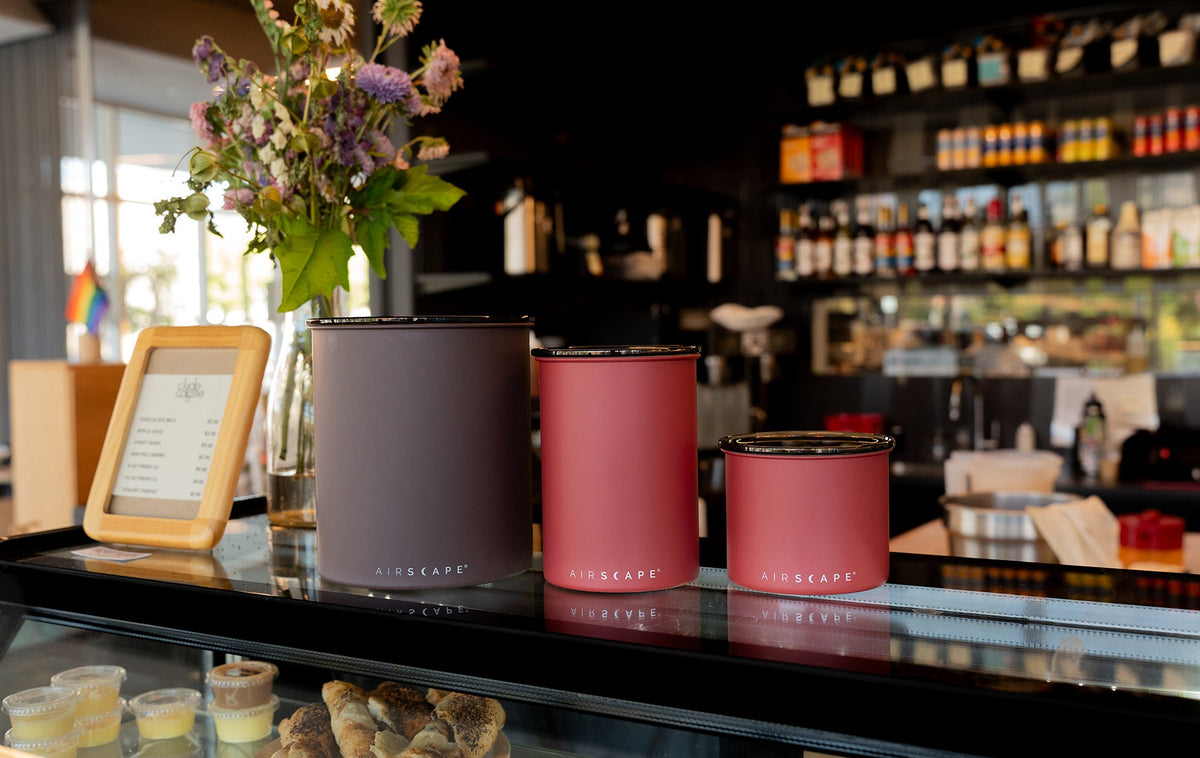
Most "airtight" canisters seal around a headspace of air. Airscape® canisters take a different approach. An outer lid closes the canister, and an inner lid descends directly onto the beans, pushing air out through a one-way valve as it goes. The valve lets air escape but won't let it back in, so the beans sit under an active seal instead of a pocket of oxygen. There are no pumps, batteries, or electricity involved. The valve also lets freshly roasted beans release their CO2 without letting oxygen back in, which matters because beans keep degassing for days after roasting.
Cannascape® stash jars apply the same airless-valve engineering to cannabis. The inner plunger lid lowers onto the flower and pushes air out through a one-way valve, and the self-degassing valve lets the jar release pressure without you opening it and letting fresh oxygen in. The jars come in stainless steel and borosilicate glass with a smoked or bamboo top lid over the working valve lid, which adds a second layer of odor control.
The difference is what goes inside. The Airscape® canister stays dry, with nothing added. The Cannascape® jar gets a two-way humidity pack sized for the jar. Same principle, opposite moisture, and no chance of mixing them up.
A good shared station takes the rules above and turns them into a layout you don't have to think about every morning.
Start with the location. Pick one cool, dark, stable spot: an interior cabinet, a pantry shelf, or a closed drawer away from heat sources. If it stays in the 60s and never gets direct sun, it works for both.
Next, give each product its own sealed container. Beans go in an opaque canister with an airless lid. Flower goes in a stash jar with a two-way humidity pack at 58% or 62% RH. If you use a clear glass jar for either one, the closed cabinet does the light-blocking for you.
Then separate your bulk supply from your daily supply. This is the two-container approach that works for both coffee and cannabis. Keep most of your beans sealed in a larger canister and refill a small one every few days. Keep most of your flower in a larger archive jar and move a few days' worth into a small working jar. Every time you open a container, you let in oxygen, so the fewer times the bulk supply gets opened, the longer it stays fresh.
Finally, label everything. Note the roast date on the coffee canister and the strain and date on each cannabis jar. Opaque stainless containers look identical on a shelf, and labels make rotation easy: oldest first, both for beans and for flower.
The same rules apply at a cabin, a campsite, or in a van, just in smaller containers. Pack pre-measured beans in a small sealed canister, keep a small stash jar with a humidity pack of its own, and store both in a shaded bag away from the dashboard or the campfire. If you brew outdoors, an insulated BruTrek® press keeps the coffee side of the kit durable, since glass doesn't belong in a duffel bag.
|
Factor |
Coffee Beans |
Cannabis Flower
|
|---|---|---|
|
Oxygen |
Remove as much as possible |
Remove as much as possible |
|
Light |
Block completely |
Block completely |
|
Temperature |
Cool and stable, room temp or below |
60–65°F, stable |
|
Humidity |
As dry as possible, no packs |
58–62% RH with a two-way pack |
|
Desiccants |
Fine if needed |
Never; they over-dry flower |
|
Odor risk |
Absorbs nearby odors easily |
Loses terpenes when aroma escapes |
|
Best container material |
Stainless steel, ceramic or glass |
Stainless steel or borosilicate glass |
|
Typical peak freshness |
About 1 to 3 weeks after roasting for whole beans |
Months, when stored properly |
|
Best Planetary Design match |
Airscape® canister |
Cannascape® stash jar with humidity pack |
For both coffee and cannabis, the fridge causes more problems than it solves for everyday storage. The NCA notes that most home containers still let in small amounts of oxygen and that condensation builds up in the refrigerator. Cold beans that come out into a warm kitchen collect moisture on their surface, and repeated cycles of that are worse than steady room temperature.
Cannabis has the same condensation issue plus another one. Refrigerators are dry environments, so flower in a poorly sealed container dries out faster in the fridge than it would in a cabinet. If you do refrigerate cannabis, it needs an airtight container with a humidity pack, and you need to let the jar warm to room temperature before you open it.
Freezing is a long-term option for coffee if you portion beans into airtight containers and pull out only what you need for about a week at a time. For cannabis, freezing makes trichomes brittle and easy to knock off, so it's best left to people who really know what they're doing. For a shared station you use daily, a cool cabinet beats either appliance.
Sharing a container is the first and biggest mistake. Even a divided container shares air, and shared air means shared moisture and shared odors. Coffee picks up herbal notes, flower loses aroma, and the humidity can't be right for both at once.
Putting a humidity pack anywhere near the coffee is the second. Two-way packs release moisture, and that moisture will find your beans if they share a container or a poorly sealed space. Keep humidity packs sealed inside cannabis jars only.
Using desiccants with cannabis is the mirror-image mistake. Silica gel packets that come with shoes and electronics are designed to pull out all moisture. That's fine near coffee and exactly wrong for flower, which turns brittle and harsh when it's over-dried.
Storing either one in clear containers on an open shelf is the fourth. It looks great on a bar cart and does real damage. Light degrades THC and stales coffee, so move clear containers into a cabinet or switch to opaque ones.
Choosing a warm spot for convenience is the last. The cabinet above the coffee maker or the stove is handy, but it's also one of the warmest places in the kitchen. A few steps farther to a cooler cabinet pays off in fresher beans and flower.
Can I store coffee and weed in the same container? No. Coffee needs to stay completely dry, while cannabis needs 58–62% relative humidity to stay fresh, so no single container can be right for both. Coffee also absorbs odors easily and will pick up the smell of the flower. Use separate sealed containers and store them side by side instead.
Can I keep coffee and cannabis in the same cabinet? Yes, as long as each one is in its own sealed container and the cabinet is cool, dark, and stable. Glass and stainless steel containers are the best choice because they don't absorb or leak odors. Keep the cabinet away from the stove, dishwasher, and sunny walls.
Will a humidity pack ruin my coffee? It can if the two share air. Two-way humidity packs release moisture to keep cannabis in range, and coffee absorbs moisture from the air around it, which speeds up staling. Keep humidity packs sealed inside cannabis jars only, and never put one in a coffee canister.
Does coffee absorb the smell of cannabis? Yes. Coffee readily absorbs odors from the air around it, so beans stored near a leaky jar of flower can pick up an herbal or skunky note. A sealed, non-porous container for each product prevents odor transfer in both directions.
What's the best temperature to store coffee and cannabis? A cool, stable spot around 60–65°F works well for both. That's the recommended range for cannabis, and it's comfortably cool for coffee. Stability matters more than an exact number, since temperature swings cause condensation that hurts both products.
Coffee and cannabis are natural neighbors. They share three enemies in oxygen, light, and heat, and they reward the same habits: sealed containers, cool and dark storage, and as few openings as possible. The one rule they don't share is moisture. Coffee stays dry. Cannabis stays at 58–62%. Keep that line clear and they can live side by side for as long as you like.
Removing air is what makes both last. Airscape® canisters and Cannascape® stash jars use the same airless-valve design, an inner lid that pushes oxygen out through a one-way valve, to create an active seal rather than a passive one. Pair the coffee canister with nothing but beans, pair the stash jar with a two-way humidity pack, and your morning setup stays as fresh as the day you stocked it. For more detail on each side, see our guides on how to store coffee beans properly and the best way to store cannabis buds.
Shop Airscape® canisters and Cannascape® stash jars to build a storage station that treats your beans and your flower the way each one deserves.
Can You Store Coffee and Cannabis Together? A Side-by-Side Storage Guide
Caffeine and Cannabis: What the Research Actually Says
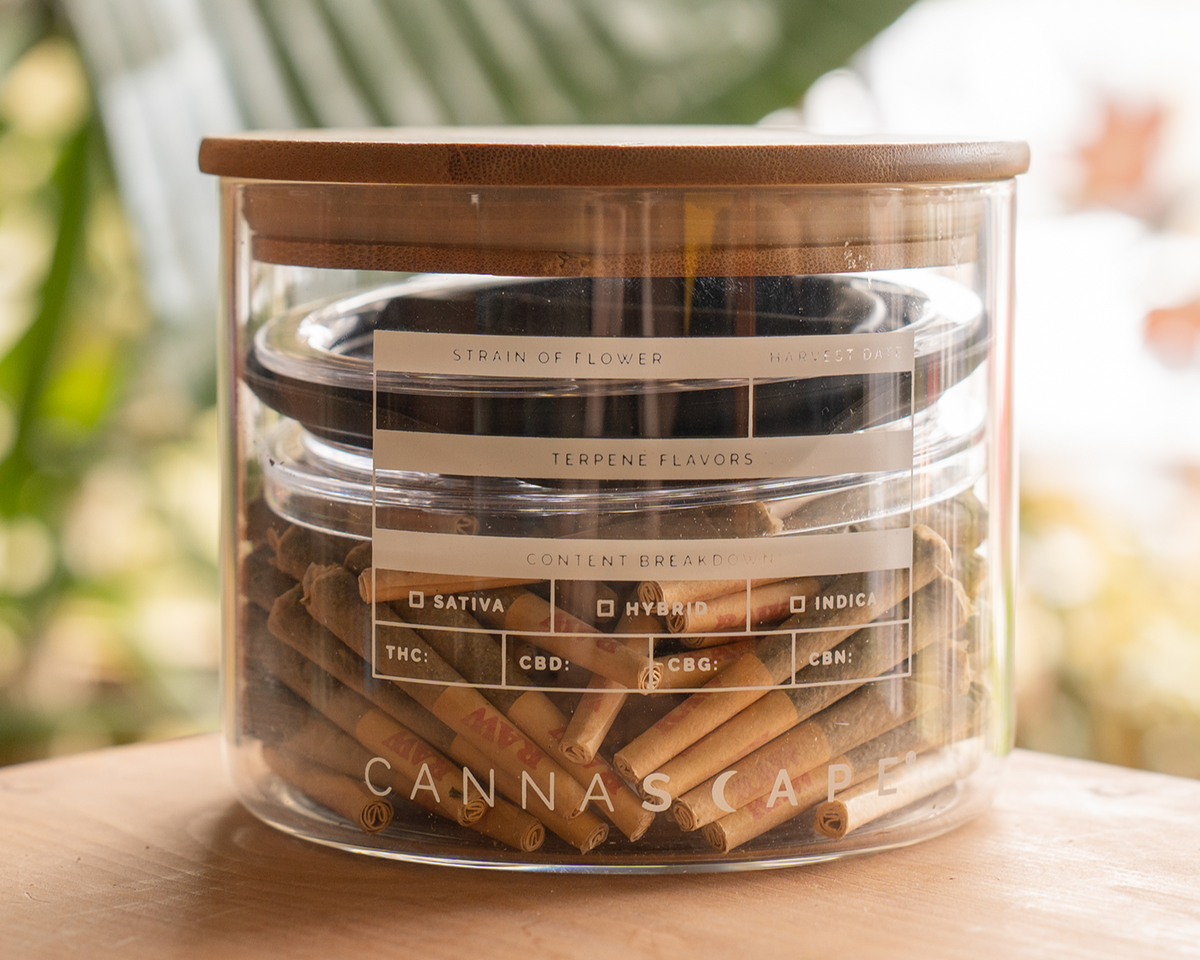
How to Store Pre-Rolls So They Don't Dry Out
How to Store Dry Dog Food: Keep Kibble Fresh to the Last Scoop
Sustainable Food Storage Containers That Actually Work
Share:
Caffeine and Cannabis: What the Research Actually Says