





- by Madeline Staples
Stainless Steel vs Glass Food Storage: Which Lasts Longer?
- by Madeline Staples
Stainless steel is more durable and portable than glass, while glass allows you to see contents and reheat food in the microwave. Your best choice depends on whether you prioritize break resistance and travel convenience or visibility and heating flexibility.
This guide is for anyone tired of cracked glass containers or wondering if stainless steel is actually safe for food. You're comparing materials because you want storage that lasts, doesn't leach chemicals, and fits how you actually use your kitchen. Whether that's packing lunches, storing leftovers in a stash jar, or organizing a pantry.
Here's what we'll cover:
The core difference is structural. Glass is inert and transparent but brittle. Stainless steel is opaque and impact-resistant but cannot go in a microwave. Both are non-reactive with food, meaning they don't leach chemicals or absorb odors the way plastic does.
Glass food storage containers are typically made from tempered or borosilicate glass. They let you see what's inside without opening the lid, which matters when you're searching a crowded fridge or organizing airtight coffee containers in your pantry. You can move them straight from refrigerator to microwave or oven (if the lid is removed). The material is completely inert, it doesn't react with acidic foods like tomato sauce or citrus.
Stainless steel food storage containers are usually made from 18/8 or 304-grade stainless steel, which is food-safe and corrosion-resistant. They're lighter than glass and won't shatter if dropped. Steel containers are your best bet for packed lunches, camping, or anywhere breakage is a concern. The tradeoff is you can't see inside, and you can't microwave them.
Both materials outlast plastic. A 2026 market report found that reusable glass and metal containers now account for 24.2% of the food storage category, up from 23.2% in 2024. Consumers are shifting away from plastic toward materials that don't degrade or transfer chemicals into food.
Both are safe. High-quality food-grade stainless steel and glass are chemically stable and don't leach toxins into your food, even with acidic or fatty contents.
Glass is inert, meaning it doesn't react with anything. You can store lemon juice, vinegar, or oil-based dressings indefinitely without worrying about chemical interaction. Borosilicate glass, used in many glass food storage containers, resists thermal shock and won't crack from sudden temperature changes.
Stainless steel, specifically 18/8 or 304 grade, is also non-reactive and safe for long-term food contact. It doesn't rust or corrode under normal kitchen conditions. Some people worry about nickel content in stainless steel, but the amount that migrates into food is negligible and well below safety thresholds for most people.
The safety concern with any container isn't the body, it's the lid. Many glass and stainless steel containers come with plastic or silicone lids. Look for BPA-free plastic or food-grade silicone seals. If you're eliminating plastic entirely, choose containers with stainless steel lids or consider a system that removes oxygen rather than just sealing it in.
Stainless steel wins on impact resistance. Glass wins on scratch resistance and stain resistance.
Steel containers survive drops that would shatter glass. If you're packing lunches for kids or tossing containers into a backpack, stainless steel handles the abuse. It dents if you really mistreat it, but a dent doesn't compromise the container's function. Consumer Reports noted in July 2026 that stainless steel is a lighter-weight, more portable alternative to glass, which matters when you're carrying multiple containers.
Glass doesn't dent, but it breaks. Tempered glass is stronger than standard glass, but it's still glass. Drop it on tile or concrete and you're likely replacing it. That said, glass doesn't scratch easily, doesn't absorb stains from tomato-based sauces, and won't retain odors from garlic or onions the way some plastics do.
Both materials last years if you treat them reasonably. A stainless steel container from 15 years ago still works fine, it might have a few dings, but it's structurally sound. Glass containers from the same era are either still pristine or long gone, depending on how many times they hit the floor.
Glass works in the microwave and freezer. Stainless steel works in the freezer but not the microwave.
Glass food containers are microwave-safe as long as you remove any metal components from the lid. You can reheat leftovers directly in the container, which saves you from dirtying another dish. Glass also handles freezer temperatures without issue, just leave headspace for expansion if you're freezing liquids.
Stainless steel containers are freezer-safe but cannot go in the microwave. Metal reflects microwaves and can cause arcing or damage the appliance. If you use stainless steel for meal prep, you'll need to transfer food to a microwave-safe dish for reheating. Some stainless steel containers are oven-safe if the lid is removed, but verify this with the manufacturer before testing it.
For freezer storage, both materials perform well. Neither cracks from cold the way some plastics do. Glass can break if you drop it while frozen, but the material itself isn't harmed by low temperatures.
Stainless steel is lighter and safer to carry. Glass is heavier and requires more careful handling.
A stainless steel lunch container weighs less than an equivalent glass container, which matters when you're packing multiple items or carrying a bag all day. Steel also won't break if jostled in a backpack or dropped on pavement. This makes it the default choice for camping, hiking, or anywhere you're away from a kitchen.
Glass containers work fine for portability if you're careful, but they add weight and fragility. If you're driving to work and carrying one container, glass is manageable. If you're packing lunch for kids or loading a cooler for a day trip, stainless steel makes more sense.
Lids matter here too. Many stainless steel containers use screw-top or snap-lock lids that seal tightly and won't pop open in transit. Glass containers often use silicone-sealed lids that work well but may not be as secure under pressure. Check the lid design if leak-proof portability is a priority.
Neither material extends freshness on its own, the seal does. Both stainless steel and glass are non-porous and won't absorb odors or flavors, but they only keep food fresh if the container creates an airtight seal. That's why metal stash containers are designed with precision sealing mechanisms to lock in freshness regardless of the material.
Most glass and stainless steel containers use lids that trap air inside. That's fine for short-term storage, but trapped oxygen degrades food over time. Fats oxidize and turn rancid. Flavors fade. Moisture evaporates or condenses depending on the food.
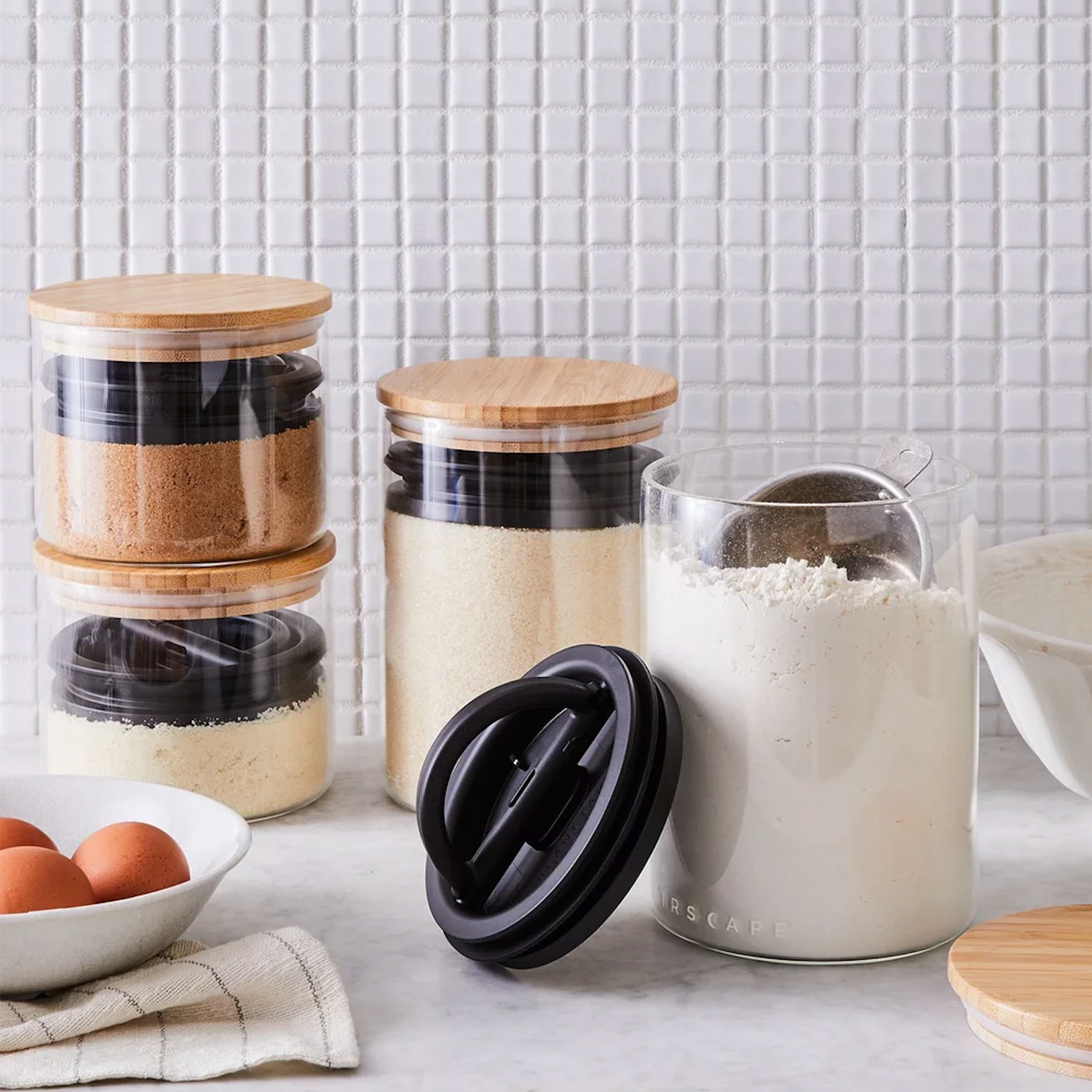
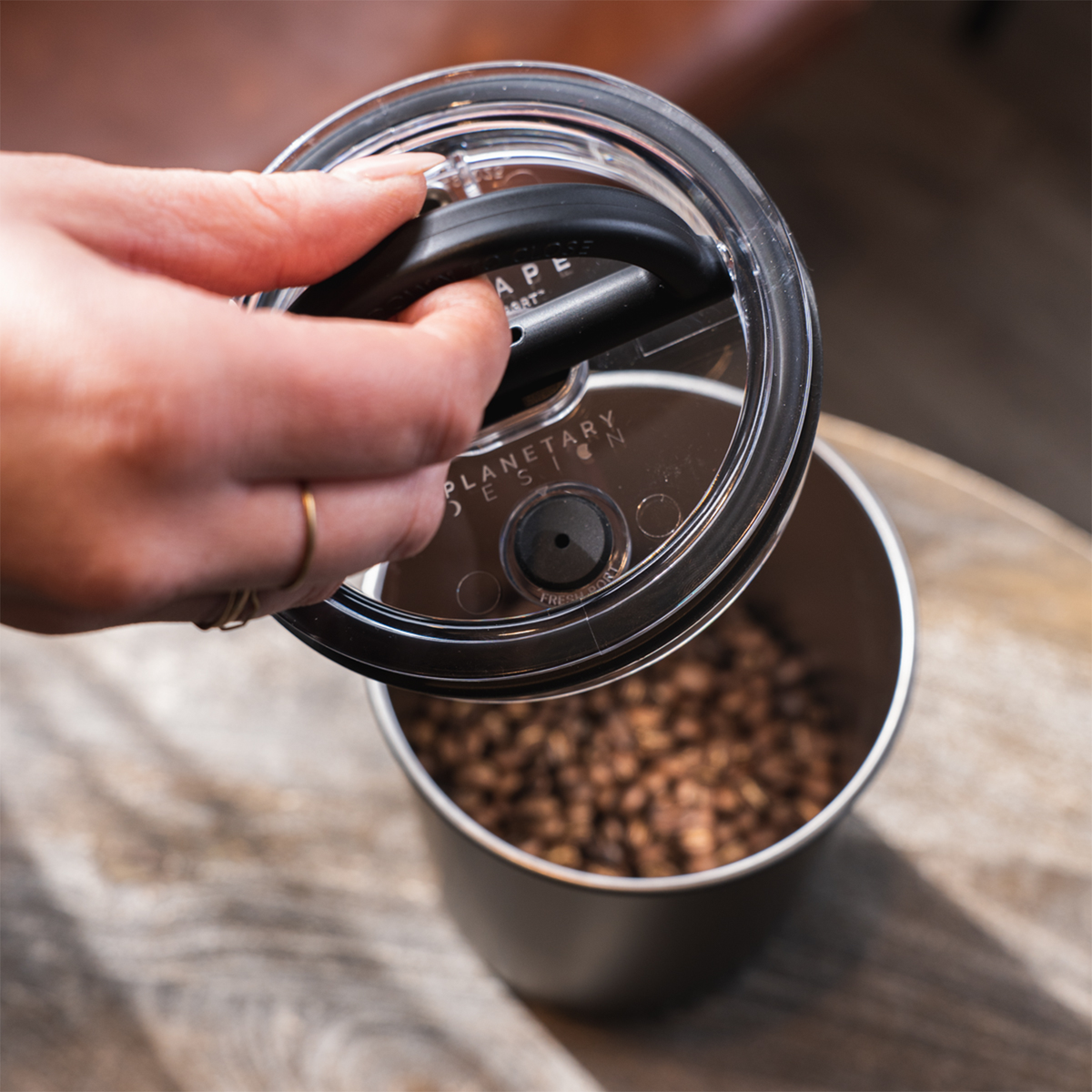
Better-than-airtight storage removes oxygen instead of trapping it. Planetary Design's Airscape® system uses a two-lid design: the outer lid closes the container, and the inner lid descends directly onto the contents, forcing air out through a one-way valve. This creates a true vacuum seal by physically removing air from the container, which matters for anything with oils or volatile compounds like nuts, whole grains, coffee, tea, flour, and even pet food.
For dry pantry goods, oxygen is the main spoilage route. For leftovers, moisture and temperature matter more, and a standard airtight seal is usually sufficient. If you're storing bulk dry goods or anything you want to last weeks instead of days, an airless system outperforms a passive seal regardless of whether the container body is steel or glass.
|
Feature |
Stainless Steel |
Glass |
|---|---|---|
|
Durability |
Dent-resistant, won't shatter |
Scratch-resistant but breaks if dropped |
|
Weight |
Lighter, easier to carry |
Heavier, less portable |
|
Microwave Safe |
No |
Yes (without metal lids) |
|
Freezer Safe |
Yes |
Yes |
|
Visibility |
Opaque: can't see contents |
Transparent: see what's inside |
|
Staining |
May discolor from turmeric or tomato |
Stain-resistant |
|
Odor Retention |
Minimal with proper cleaning |
None |
|
Chemical Safety |
Non-reactive (18/8 or 304 grade) |
Inert, no leaching |
|
Typical Use Case |
Lunch boxes, travel, camping |
Leftovers, meal prep, reheating |
The lid determines whether your container actually keeps food fresh. Most stainless steel and glass containers ship with plastic or silicone lids, which work fine for basic sealing but don't remove oxygen.
Silicone seals are flexible, create a tight fit, and tolerate temperature changes better than rigid plastic. They're also more durable. A silicone seal won't crack after months in the freezer. Look for food-grade silicone that's BPA-free and dishwasher-safe.
Plastic lids are lighter and cheaper but may warp over time, especially if you run them through the dishwasher repeatedly. BPA-free plastic is standard now, but the durability still lags behind silicone or metal.
Stainless steel lids exist but are less common. They add weight and cost, but they're the most durable option and eliminate plastic entirely if that's a priority for you.
For dry goods storage, consider a valve-based lid system. Planetary Design's Fresh-Port® lids convert containers you already own, including mason jars, into airless storage. The one-way valve lets you press air out but won't let it back in. Pair that with Airgone® argon gas for an extra layer of protection: a two-second flush of food-safe argon displaces oxygen and creates a protective barrier. This setup works on glass or stainless steel and gives you better-than-airtight preservation without replacing your entire container set.
Match the container to the food and how you'll use it.
Leftovers and meal prep: Glass works well here. You can see what's inside, which reduces the "mystery container" problem in the back of the fridge. You can also reheat directly in the container if it's microwave-safe. Glass doesn't stain from tomato sauce or curry the way some plastics do.
Packed lunches: Stainless steel is the safer choice. It's lighter, won't break if dropped, and handles the daily abuse of being tossed into bags. Kids especially benefit from the durability.
Dry pantry goods: Either material works, but the seal matters more than the body. Flour, sugar, rice, pasta, and bulk goods need protection from moisture and pests. An airless canister, whether it's the stainless steel Airscape® Classic or the glass Airscape® Glass Canister, will keep dry goods fresher longer than a standard airtight container by removing the oxygen that causes fats to oxidize and flavors to fade.
Pet food: Stainless steel is the practical choice for large quantities. Dry kibble is coated in fat, and fat oxidation is the primary spoilage route. Rancid kibble smells noticeably off and animals often refuse it. The Airscape® Bucket Insert Lid converts a standard five-gallon bucket into an airless container, which is the only size that makes sense for a large bag of pet food. Removing oxygen as you go keeps the kibble fresh from the top of the bag to the bottom.
Travel and camping: Stainless steel, no question. It's lighter, tougher, and won't shatter if your pack gets dropped or kicked around a campsite.
Both materials are dishwasher-safe, but hand washing extends their life.
Glass containers clean easily. They don't absorb odors or stains, and you can scrub them with abrasive sponges without worrying about scratches. Baked-on food comes off with soaking and a bit of baking soda. Glass can go in the dishwasher indefinitely without degrading.
Stainless steel containers also tolerate dishwashers, but hand washing prevents water spots and maintains the finish. Steel can discolor from highly acidic or pigmented foods, turmeric and tomato sauce are common culprits, but this is cosmetic and not a safety issue. A paste of baking soda and water usually removes stains. Avoid steel wool or harsh abrasives, which can scratch the surface.
Lids require more attention. Silicone seals can trap food particles and develop odors if not cleaned thoroughly. Remove gaskets and wash them separately. Plastic lids may warp in the dishwasher over time, so hand washing extends their usability.
For valve-based lids like those on Airscape® or Fresh-Port® containers, rinse the valve area to prevent buildup. The one-way valve is mechanical and doesn't require special maintenance, but keeping it clean ensures a good seal.
Consumers are moving toward glass and stainless steel and away from plastic. The shift is driven by durability, safety concerns, and environmental impact.
A 2026 market report projects the household food storage containers market at $27.05 billion in 2025 and $38.09 billion by 2031, with glass identified as the fastest-growing segment. Another report estimates glass containers contribute about 30% of unit volumes, while stainless steel accounts for roughly 15% of the market. Stainless steel represented nearly 18% of the market share by type in 2024, and manufacturers reported a 22% increase in stainless steel container exports from India to Western markets over the last 18 months.
Consumer-facing 2026 reviews consistently frame glass as the preferred option for reheating and visibility, and stainless steel as the preferred option for travel, camping, and lunch-packing. Wirecutter included stainless steel among its top food storage picks in June 2026, and Consumer Reports highlighted it as a lighter-weight, more portable alternative to glass in July 2026.
The broader household food storage containers market grew from $28.43 billion in 2025 to $29.72 billion in 2026, with a projected compound annual growth rate of 6.63% through 2032. Market research indicates consumer preference is shifting toward non-toxic, durable materials such as borosilicate glass and premium stainless steel over traditional plastics.
Ask yourself three questions: Where will you use it? What will you store? Do you need to reheat food in the container?
If you're packing lunches, traveling, or storing food anywhere it might get dropped, choose stainless steel. The durability and light weight make it the obvious choice for portability.
If you're storing leftovers at home and want to reheat them without transferring to another dish, choose glass. The visibility also helps you track what's in your fridge and use it before it spoils.
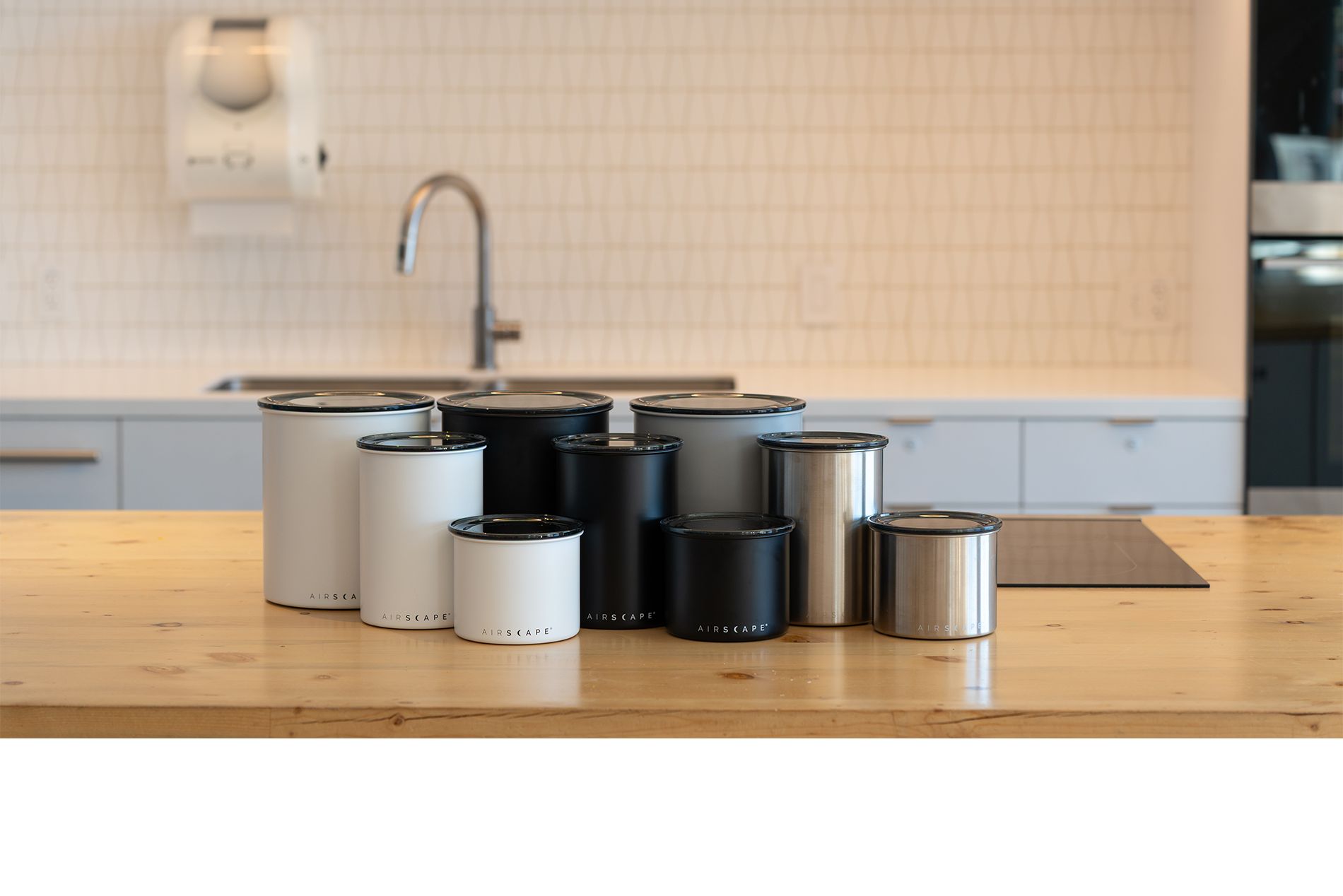
If you're organizing a pantry or storing bulk dry goods, focus on the seal rather than the material. Both glass and stainless steel work, but an airless system will keep flour, nuts, coffee, tea, and pet food fresher longer than a standard airtight container. Planetary Design's Airscape® canisters are available in both stainless steel and glass, so you can match the material to your preference while getting the oxygen-removing valve that actually extends shelf life.
For a mixed approach, use stainless steel for portability and glass for stationary storage. You don't have to pick one material for everything, match the container to the job.
Yes, stainless steel food storage containers are dishwasher-safe. Hand washing prevents water spots and maintains the finish longer, but the dishwasher won't damage the steel itself. Remove silicone seals and wash them separately to prevent odor buildup.
Neither material extends freshness on its own, the seal does. Both glass and stainless steel are non-porous and won't absorb odors, but food stays fresh only if the container removes or excludes oxygen. Standard airtight containers trap air inside, which allows oxidation. An airless valve system removes oxygen and keeps food fresher longer.
Yes, high-quality food-grade stainless steel (18/8 or 304 grade) is non-reactive and safe for acidic foods like tomato sauce, citrus, and vinegar. The material doesn't leach chemicals or corrode under normal kitchen conditions. Prolonged storage of highly acidic foods may cause cosmetic discoloration, but this doesn't affect safety.
Metal reflects microwaves and can cause arcing, which damages the appliance and creates a fire hazard. If you need to reheat food stored in stainless steel, transfer it to a microwave-safe dish first. Glass containers can go directly from fridge to microwave as long as you remove any metal components from the lid.
Both glass and stainless steel are more sustainable than single-use plastic. They last years, don't degrade into microplastics, and can be recycled at end of life. Stainless steel has a lower breakage rate, which may result in longer usable life. Glass is made from abundant raw materials and recycles indefinitely. The environmental impact depends more on how long you use the container than which material you choose.
Stainless steel gives you durability and portability. Glass gives you visibility and microwave convenience. Neither material is objectively better. The right choice depends on whether you're packing lunches, reheating leftovers, or organizing a pantry.
For dry goods, coffee, tea, flour, nuts, or pet food, the seal matters more than the container body. An airless valve system removes oxygen instead of trapping it, which keeps contents fresh longer. Planetary Design's Airscape® canisters are available in stainless steel and glass, and Fresh-Port® lids convert containers you already own into better-than-airtight storage.
We've spent 15 years refining storage systems for Montana backcountry conditions and home kitchens. Our patent-protected valve technology actively removes air instead of passively sealing it in, and a portion of every sale supports conservation efforts through The Conservation Alliance. Explore our full line of airless storage at Planetary Design and find the container that fits your kitchen, your routine, and the way you actually use food storage.
Odor Proof Storage Containers: What Works and Why
Stainless Steel vs Glass Food Storage: Which Lasts Longer?
Dishwasher Safe Food Storage Containers That Last
How Long Does Cannabis Stay Fresh? The 60–70°F Storage Range Explained
Coffee Grind Size Chart: Match Your Brew Method Perfectly
Share:
Dishwasher Safe Food Storage Containers That Last
Odor Proof Storage Containers: What Works and Why