






- by Madeline Staples
Best Camping Coffee Setup: Gear for Every Adventure
- by Madeline Staples
The best camping coffee setup depends on your camping style: ultralight backpackers need compact single-serve brewers like the AeroPress Go or collapsible pour-over drippers, while car campers can bring larger French press systems for multiple servings along with airtight coffee containers to keep beans fresh. Your ideal setup balances brew quality, pack weight, durability, and ease of cleanup based on where you're heading.
This guide is for anyone who refuses to compromise on coffee quality outdoors, whether you're trekking solo into the Boundary Waters, setting up base camp with friends, or brewing in a remote cabin. We've spent 15+ years testing coffee gear in Montana's backcountry, from individual tools to bundled storage solutions, and we'll help you match equipment to your specific camping needs.
You'll learn:
A good camping coffee setup delivers consistent flavor without adding unnecessary weight or complexity. You need gear that survives rough handling, cleans easily with limited water, and works reliably when you're tired and cold at sunrise.
The core components include a brewing device, a heat source, a grinder (or pre-ground beans), and storage that protects freshness. Beyond that, your priorities shift based on trip type. Backpackers count every ounce and favor compact designs, often opting for bundled campwear storage to maximize efficiency. Car campers can prioritize brew capacity and comfort features. Weekend warriors want quick cleanup. Multi-day trekkers need durability that won't fail 50 miles from the trailhead.
Weight matters more than most people expect. A brewing system that adds two pounds to your pack feels manageable at the parking lot but exhausting by day three. Cleanup difficulty compounds the same way; what seems like a minor inconvenience at home becomes genuinely frustrating when you're washing dishes in a cold stream.
The best setups share three traits: they're built for actual outdoor conditions (not just outdoor aesthetics), they match your specific camping style, and they make good coffee worth the effort of carrying them.
Backpacking demands lightweight, compact brewers that pack small and clean easily. The AeroPress Go dominates 2026 buyer's guides as the top all-around backpacking brewer because it weighs just 11 ounces with its travel mug, makes excellent coffee, and cleans with a simple plunger push.
Ultralight pour-over drippers offer the lightest option for solo brewing. Collapsible silicone designs like the MiiR Pourigami weigh under two ounces and pack nearly flat. You'll need to carry paper filters, but they weigh almost nothing and double as emergency fire starters. The GSI Outdoors Ultralight Java Drip is another solid choice at just 0.6 ounces; it sits directly on your mug and brews a clean cup with minimal fuss.
Our ethoz® pour-over brewer bridges the gap between ultralight simplicity and richer flavor. The reusable stainless steel filter eliminates the need to pack paper filters on multi-day trips, and the durable construction handles the abuse of backcountry travel. At under six ounces, it's light enough for serious backpacking while delivering the full-bodied flavor paper filters can't match.
Small portable press systems work well for two-person backpacking trips where you're splitting gear weight. They brew larger volumes than single-serve options and handle coarse grinds that are easier to pack. Just confirm the press components nest inside your cook pot to save pack space.
The standard 1:16 coffee-to-water ratio recommended by the National Coffee Association and Specialty Coffee Association translates to about 20 grams of coffee per 320 milliliters of water, roughly two tablespoons per standard camping mug. This ratio works across brewing methods and gives you a consistent baseline to adjust from based on your taste preferences.
Measure by weight when possible, even at camp. A small digital scale adds minimal weight and eliminates the guesswork that leads to weak or bitter coffee. If you're counting ounces obsessively, measure at home and pre-portion beans into daily servings.
Car camping lets you prioritize comfort and capacity over weight. French press systems shine here because they brew multiple servings at once, deliver rich flavor through immersion brewing, and require no paper filters to pack out.
The BruTrek® BaseCamp French press is purpose-built for outdoor use with double-wall stainless steel construction that keeps coffee hot and survives the inevitable bumps of camp life. The 32-ounce capacity serves two to four people, and the durable build means you're not babying fragile glass around the campfire. Field & Stream named it best overall for car campers in their 2026 testing.
Larger percolators work well for group camping where you're brewing for six or more people. They sit directly on camp stoves or campfire grates and produce consistent results once you dial in timing. The main drawback is that they're harder to clean thoroughly at camp, and the brewing process extracts more bitterness than immersion methods.
Pour-over setups like the Chemex or our ethoz® brewer offer excellent flavor control for car camping couples who appreciate the brewing ritual. You'll need a gooseneck kettle for proper pour technique, but car camping accommodates the extra gear. The resulting clarity and nuance in flavor justify the additional equipment when you're not counting ounces.
Coffee degrades rapidly when exposed to air, especially in fluctuating outdoor temperatures. Pre-ground coffee loses peak flavor within days. Whole beans stay fresh longer but still suffer from oxygen exposure during multi-day trips.
The Airscape® storage system uses a patented two-way valve that physically pushes air out of the container and locks freshness in. For car camping trips lasting several days, bundled coffee storage means your Sunday morning coffee tastes as good as Friday's first cup. The durable stainless steel construction handles the temperature swings from hot car trunks to cold mountain nights without degrading seal integrity.
For backpacking, portion beans into smaller Airscape® containers or vacuum-seal daily servings at home. The effort pays off when you're brewing at 10,000 feet and actually tasting the coffee's origin characteristics instead of stale oxidation.
|
Method |
Best For |
Weight |
Brew Time |
Cleanup |
Flavor Profile |
|
AeroPress Go |
Solo backpacking |
11 oz |
2 minutes |
Very easy |
Clean, versatile |
|
Pour-Over Dripper |
Ultralight trips |
1-6 oz |
3 minutes |
Easy |
Bright, nuanced |
|
French Press |
Car camping |
16-24 oz |
4 minutes |
Moderate |
Rich, full-bodied |
|
Percolator |
Large groups |
24-32 oz |
10 minutes |
Difficult |
Strong, bold |
|
Cowboy Coffee |
Minimalists |
0 oz |
5 minutes |
Easy |
Variable, gritty |
|
Portable Espresso |
Espresso lovers |
12-16 oz |
3 minutes |
Moderate |
Concentrated, intense |
AeroPress Go excels at versatility and ease. You can brew everything from espresso-style concentrate to smooth cold brew, and cleanup takes seconds. The plastic construction worries some users about durability, but the material handles drops better than glass or ceramic alternatives. The main limitation is single-serve capacity; brewing for two people means two separate brewing cycles.
Pour-over drippers deliver exceptional clarity and let you taste subtle flavor notes that immersion methods can obscure. They're the lightest option and pack the smallest. The downside is that they require more technique and attention during brewing, difficult when you're cold and tired. Wind affects pour consistency, and you need steady hands to avoid spills.
French press systems like our BruTrek® BaseCamp produce rich, full-bodied coffee that satisfies at camp. They brew larger volumes and require minimal technique. The trade-offs are weight and cleanup complexity; you need to dispose of wet grounds properly and rinse the mesh filter thoroughly. Immersion brewing also extracts more oils and fine particles, which some people love, and others find muddy.
Percolators handle large groups efficiently and work on any heat source. They're nearly indestructible and require no filters. However, they're prone to over-extraction if you're not watching carefully, cleanup is tedious with limited water, and the brewing process produces less nuanced flavor than other methods.
Cowboy coffee requires zero equipment, just grounds, water, and heat. It's the ultimate minimalist approach and weighs nothing. The coffee tastes inconsistent, you'll get grounds in your cup despite settling techniques, and it wastes coffee because you can't fully extract the grounds without drinking sludge.
Portable espresso makers satisfy espresso cravings at camp but demand significant arm strength for manual models and careful technique for consistent results. They're heavier than other single-serve options and harder to clean thoroughly. If you genuinely need espresso outdoors, they work well. For most campers, they're overkill.
A quality grinder makes more difference than any other accessory. Freshly ground beans extract more flavor and aroma than pre-ground coffee, even when you're using a basic brewing method. Hand grinders like the Porlex Mini or JavaPress weigh just a few ounces and produce consistent grinds for any brewing method.
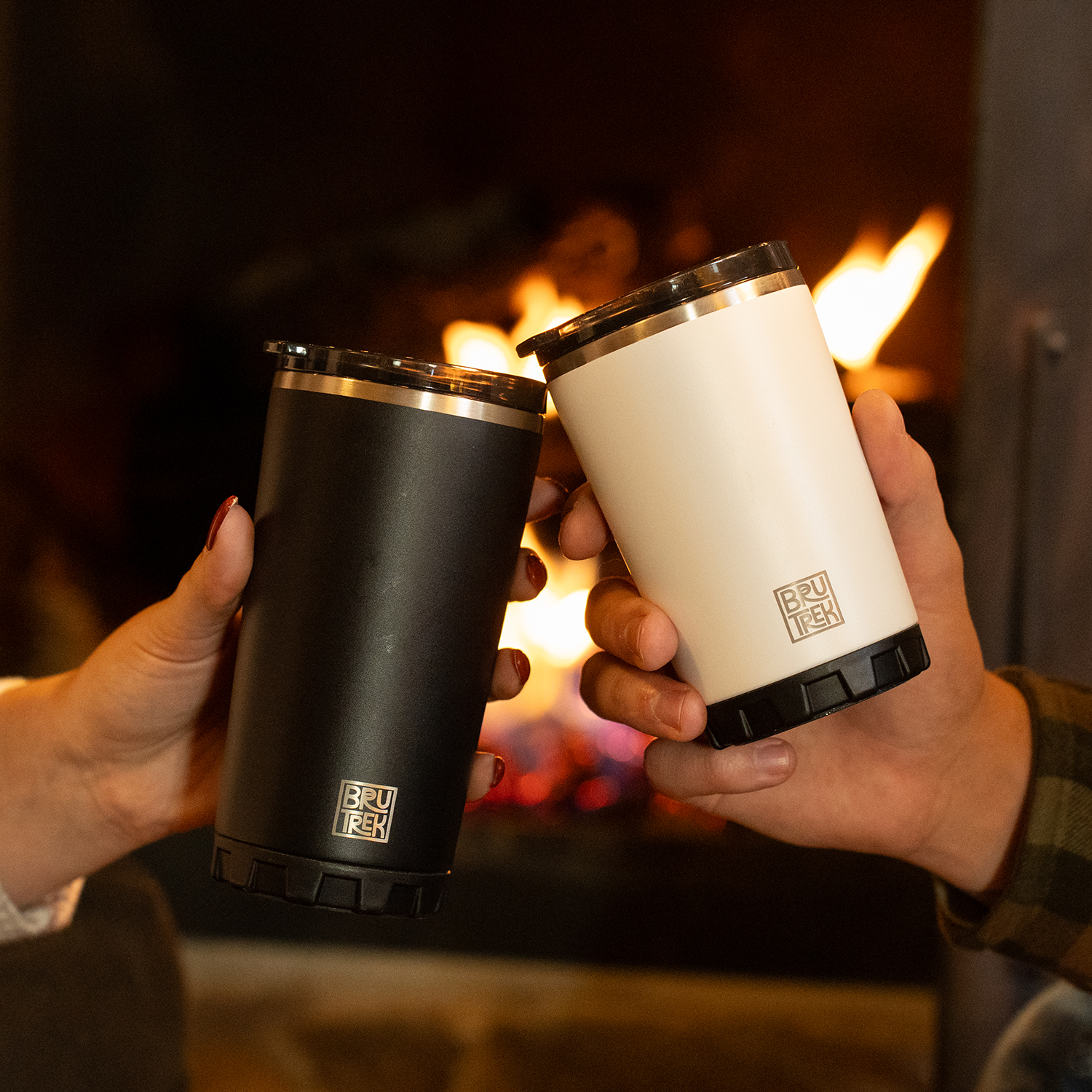
Insulated mugs keep coffee hot while you're breaking down camp or watching sunrise. The BruTrek® travel mugs use double-wall vacuum insulation that maintains temperature for hours and handles the inevitable bumps of outdoor use. Unlike ceramic camp mugs, they won't burn your hands on hot coffee or crack when dropped on rocks.
A gooseneck kettle improves pour-over brewing control but adds weight and bulk. For car camping, it's worth bringing. For backpacking, your standard camp pot works fine; you'll sacrifice some precision but save significant pack space and weight.
Collapsible water containers let you prep coffee water the night before, saving time at breakfast. You can also use them to carry extra water for cleanup, which matters when you're camping in areas with limited access to water.
Battery-powered frothers seem appealing, but they're fragile, require batteries you need for other gear, and don't significantly improve coffee quality at camp. If you want frothy coffee, use the inverted AeroPress method or gently shake your French press after brewing.
Complicated multi-piece brewing systems with proprietary parts create failure points and make field repairs impossible. Stick with simple, durable designs that use standard components you can replace or improvise if something breaks.
Oxygen degrades coffee rapidly, and temperature fluctuations accelerate the process. On a typical five-day camping trip, beans stored in a standard ziplock bag lose noticeable flavor by day three as volatile aromatic compounds oxidize and dissipate.
The Airscape® valve system solves this by creating an active barrier between your beans and oxygen. You press the lid down until it contacts the beans, forcing air out through the two-way valve. This physical removal of oxygen, not just an airtight seal, preserves the aromatic compounds that define coffee flavor. We developed this patent-protected system specifically for situations where coffee is exposed to variable conditions for extended periods.
For backpacking trips where every ounce matters, pre-portion beans into daily servings and vacuum-seal them at home, similar to how bundled cannabis storage solutions organize contents for optimal freshness. This eliminates the weight of a storage container while maintaining freshness. Each morning, you open one serving, grind it, and brew it without exposing the remaining beans to air.
Store your coffee container away from direct sunlight and temperature extremes. In a car, this means the cooler or a shaded spot under a seat, not the dashboard where temperatures swing wildly. At camp, keep it in your tent or a shaded area of your cooking setup.
Modern instant coffee has improved dramatically from the bitter crystals of decades past. Brands like Alpine Start and Steeped Coffee produce genuinely good instant coffee options made with freeze-dried specialty coffee. They weigh almost nothing, require only hot water, and create zero cleanup.
For ultralight trips where you're counting every gram, quality instant coffee makes sense. You sacrifice some flavor complexity compared to fresh-brewed coffee, but the weight savings and convenience often justify the trade-off. This is especially true on high-mileage days when you want caffeine quickly without the brewing ritual.
Coffee bags work like tea bags; you steep them in hot water for several minutes. They're lighter than bringing a brewer and filters, and cleanup is just disposing of the bag. The main limitation is that you can't control variables like water temperature, steep time, or coffee-to-water ratio as precisely as with traditional brewing methods.
Neither option delivers the same satisfaction as fresh-ground, properly brewed coffee. They're tools for specific situations, emergency backup, ultralight trips, or mornings when you need caffeine more than you need ceremony.
Water boils at lower temperatures as elevation increases. At 10,000 feet, water boils around 194°F instead of 212°F at sea level. This lower temperature extracts coffee differently, often producing weaker, more sour flavors because you're not reaching the optimal 195-205°F brewing range.
Compensate by extending brew time slightly. For pour-over methods, slow your pour to increase contact time between water and grounds. For immersion methods like French press, add 30-60 seconds to your standard steep time. The longer extraction helps pull more soluble compounds from the beans despite the lower water temperature.
Use a slightly finer grind at altitude. Finer particles increase surface area and improve extraction efficiency when water temperature is suboptimal. Don't go too fine; you'll over-extract and get bitterness, but one notch finer than your sea-level setting typically helps.
Some backpackers bring a small thermometer to monitor water temperature, especially for pour-over brewing where precision matters. If your water isn't hot enough after boiling, you're fighting physics. Focus on extraction time and grind size rather than trying to heat the water beyond its boiling point.
The simplest reliable camping coffee setup is a pour-over dripper, paper filters, pre-ground coffee in an Airscape® container, and your existing camp stove. Total added weight: under eight ounces. Total added pack volume: negligible. Cleanup: rinse the dripper and compost the filter.
This setup works because it has almost no failure points. There are no moving parts, no seals to leak, no mechanisms to break. You can brew excellent coffee with just hot water and basic technique. If you forget filters, you can improvise with a clean bandana or make cowboy coffee.
For car camping, swap the pour-over dripper for a BruTrek® French press to gain capacity without sacrificing reliability. The press mechanism is simple and durable, cleanup is straightforward, and you can brew for multiple people at once.
Both setups scale easily. Need more coffee? Brew another round. Want stronger coffee? Add more grounds. Prefer weaker coffee? Use less. The simplicity gives you flexibility without requiring expertise or perfect conditions.
Yes, and it's actually easier at camp than hot brewing. Mix coarse-ground coffee with cold water in a water bottle or container at a 1:8 ratio (stronger than hot coffee, since you'll dilute it later). Let it steep for 12-24 hours in a cool spot or your cooler. Strain through a coffee filter or clean cloth. The concentrate keeps for several days, and you just add cold water when you want a cup. This works great for hot-weather camping when you don't want to heat water.
Plan for 20-25 grams (about 2.5 tablespoons) per cup, and most people drink 2-3 cups per day at camp. That's roughly 50-75 grams or 6-9 tablespoons per person daily. Bring slightly more as a buffer; running out of coffee on day three of a five-day trip is miserable. Whole beans stay fresh longer than pre-ground, but they require a grinder. For trips longer than three days, the grinder's weight is worth it for flavor.
Pack out used grounds in a sealed bag or container; don't scatter them around camp or bury them. Coffee grounds attract animals, acidify soil, and don't decompose as quickly as people assume. Some campers add used grounds to their trash bag; others keep a dedicated grounds container. If you're car camping with a cooler, store the grounds container there to prevent odors. The grounds make excellent compost when you get home.
A hand grinder significantly improves coffee quality when you're bringing whole beans, but it's not essential for short trips. For weekends, you can pre-grind beans at home and store them in an Airscape® container to maintain freshness. For trips longer than three days, a hand grinder lets you bring whole beans that stay fresh longer. Models like the Porlex Mini or Hario Mini weigh 8-10 ounces and produce consistent grinds. If you're serious about coffee quality outdoors, grinding coffee beans at home or on the trail with a quality grinder is worth the weight.
Your best camping coffee setup matches your specific outdoor style. Backpackers need lightweight, compact brewers like the AeroPress Go or ultralight pour-over systems. Car campers can bring larger French press setups like the BruTrek® BaseCamp for multiple servings and richer flavor. Both approaches benefit from proper storage that keeps beans fresh during multi-day trips.
We've spent 15+ years testing coffee gear in Montana's backcountry, and we've learned that the best setup is the one you'll actually use consistently- not the lightest or most complex, but the one that fits your priorities and camping style. Start with a simple, reliable brewing method, invest in quality storage to protect freshness, and add accessories only when they solve real problems you're experiencing at camp.
Browse our BruTrek® adventure-brewing gear and Airscape® storage systems, designed specifically for outdoor coffee. Every product is built for actual backcountry conditions and backed by our Montana heritage and patent-protected innovations. Your purchase supports our Conservation Alliance partnership, which works to protect the Boundary Waters and other wild places where great coffee happens.
How Many Scoops of Coffee Per Cup? A Measuring Guide for Every Brewer

What Is Argon Gas Used For? How It Keeps Coffee, Wine and Pantry Goods Fresh
Can You Store Coffee and Cannabis Together? A Side-by-Side Storage Guide
Caffeine and Cannabis: What the Research Actually Says
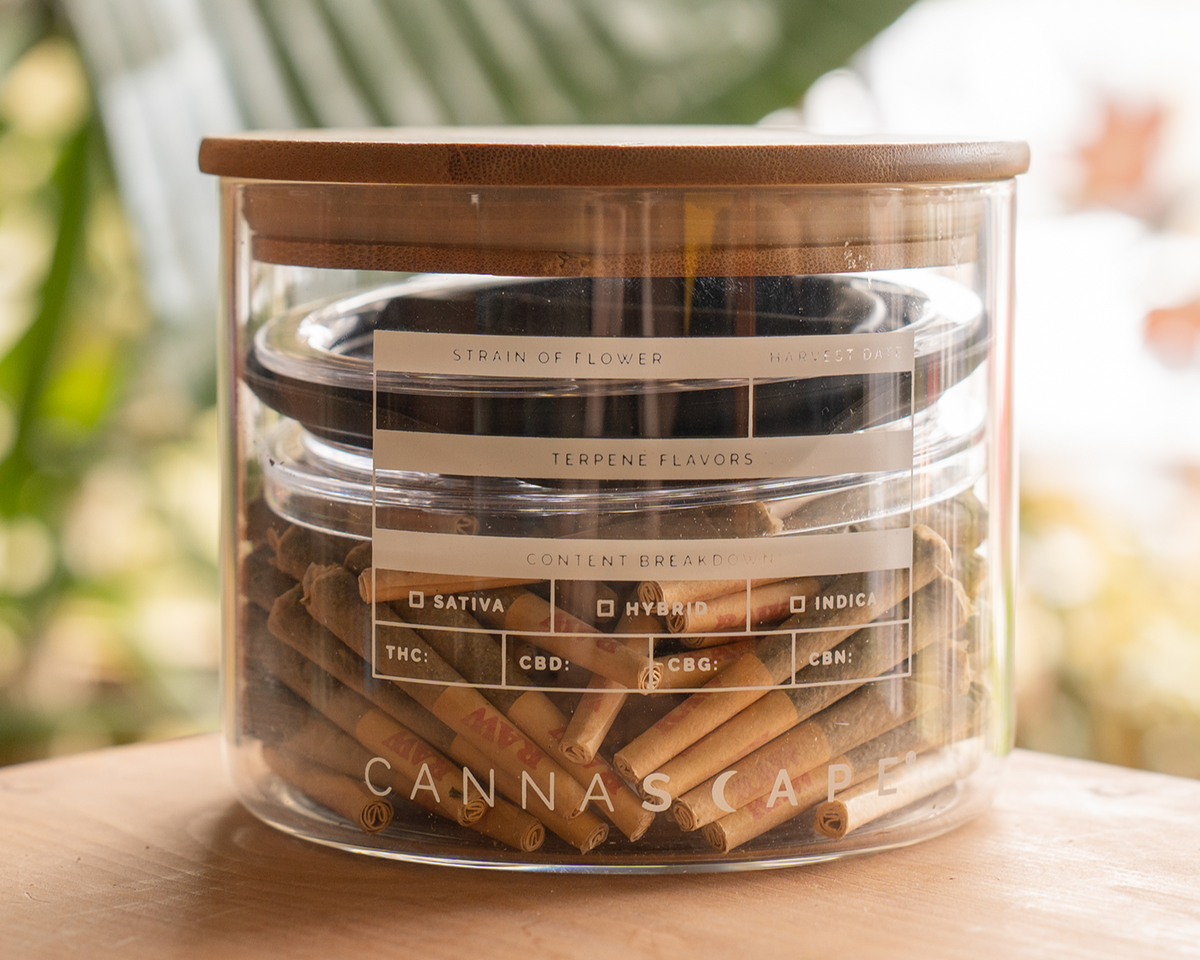
How to Store Pre-Rolls So They Don't Dry Out
Share:
How to Keep Drinks Cold While Camping: 7 Proven Methods
How to Grind Coffee Beans at Home: A Complete Guide