






- by Madeline Staples
How to Grind Coffee Beans at Home: A Complete Guide
- by Madeline Staples
Grinding coffee beans at home means measuring whole beans, selecting the right grind size for your brew method, and processing them in a burr grinder just before brewing, whether for your daily routine or your camping coffee setup. This simple shift from pre-ground coffee delivers a noticeably fresher flavor because coffee begins to lose aromatic compounds within minutes of grinding.
This guide is for anyone ready to brew better coffee at home, whether you're setting up your first grinder or refining your technique for backcountry trips. We'll walk through choosing the right grinder type, matching grind size to your brew method, and storing beans properly between grinds with bundled storage solutions.
Pre-ground coffee starts losing flavor the moment it's packaged. Grinding breaks open cell walls and exposes oils and aromatics to oxygen, which rapidly degrades them. When you grind beans just before brewing, you're capturing those compounds at their peak.
Recent data show that 74% of specialty coffee drinkers now prepare coffee at home, and that grind consistency quality ranks as the top purchase driver for 31% of consumers in 2026. That shift reflects what you notice immediately when you switch: fresher aroma, clearer flavor notes, and better extraction control.
Grinding at home also lets you adjust coarseness for different brew methods. French press needs coarse grounds, espresso demands fine powder, and pour-over sits somewhere in between. Pre-ground coffee offers one grind size, which means compromised results no matter what you're brewing.
Burr grinders crush beans between two abrasive surfaces, producing uniform particle size. Blade grinders chop beans with spinning blades, creating uneven chunks and powder. The difference shows up in your cup: inconsistent grounds extract unevenly, producing bitter and sour notes simultaneously.
The 2026 market split is 64% burr, 36% blade, and burr preference in developed markets jumped from 22% of households in 2019 to 34% by 2025. Grinder innovation is accelerating too, with manufacturers expanding precision burr grinding systems and introducing smart grinders with app-based controls and grind memory.
For home use, manual burr grinders work well if you're brewing one or two cups and value portability; they're ideal for camping or travel. Electric burr grinders handle larger batches faster and offer more precise adjustment. Blade grinders cost less upfront but sacrifice consistency, which directly impacts flavor.
We've spent 15 years refining coffee gear for backcountry durability, and we see burr grinding as non-negotiable for quality. If you're investing in whole beans and proper storage, a burr grinder completes the system.
Grind size controls extraction speed. Finer grounds expose more surface area to water, extracting faster. Coarser grounds slow extraction down. Matching grind to brew time prevents over-extraction (bitter, harsh) or under-extraction (sour, weak).
Here's how grind size maps to common brew methods:
|
Brew Method |
Grind Size |
Texture Reference |
|
French Press |
Coarse |
Sea salt crystals |
|
Pour-Over (ethoz®) |
Medium |
Granulated sugar |
|
Drip Coffee Maker |
Medium |
Sand |
|
Moka Pot |
Fine |
Table salt |
|
Espresso |
Extra Fine |
Powdered sugar |
Moka pot brewing sits between drip and espresso, finer than pour-over but coarser than true espresso grind. Getting this right makes the difference between balanced extraction and metallic bitterness.
Most burr grinders use numbered settings or click adjustments. Start with the manufacturer's recommendation for your brew method, then adjust finer if coffee tastes sour or coarser if it tastes bitter. Small changes (one or two clicks) make noticeable differences.
Measure beans by weight, not volume, because roast level affects density. A scoop of light roast weighs more than the same volume of dark roast. Digital scales eliminate guesswork and improve consistency between brews.
The standard ratio is 1:16 coffee to water by weight. For a 12-ounce cup (340 grams of water), you need 21 grams of beans. For a 32-ounce French press (900 grams of water), measure 56 grams. Adjust to taste: more coffee for a stronger brew, less for a lighter one.
Grind only what you'll brew immediately. Ground coffee stales in hours, not days. If you're brewing for multiple people or making cold brew concentrate, scale up the bean measurement, grind right before brewing, and consider bean storage bundle sets to keep your whole beans fresh between sessions.
Empty any old grounds from the grinder chamber and burrs. Residual coffee from previous grinds can taste stale or carry flavors from different roasts. A quick brush or dry cloth takes five seconds and keeps flavors clean.
Pour measured beans into the hopper. Set grind size based on your brew method (refer to the chart in Step 2). For electric grinders, pulse in short bursts rather than running continuously; this prevents heat buildup that can cook aromatic oils. For manual grinders, maintain steady pressure and consistent speed.
Grind until all beans are processed. Tap the grinder gently to settle grounds and ensure complete grinding. Some grinders retain a small amount of coffee in the burrs; purging a few grams before your main batch minimizes mixing of retained coffee.
Transfer grounds directly to your brew device. Minimize time between grinding and brewing; every minute counts when preserving volatile aromatics.
Ground coffee begins oxidizing within 15 minutes. Brew as soon as grinding finishes to capture peak flavor. This is where grinding at home delivers the biggest advantage over pre-ground; you're working with fresh grounds every single time.
For pour-over brewing with our ethoz® line, blooming the grounds (adding a small amount of water first) releases trapped CO2 and improves extraction. For French press, add all water at once and steep for four minutes before pressing. Moka pot grounds go in the filter basket, tamped lightly but not compressed.
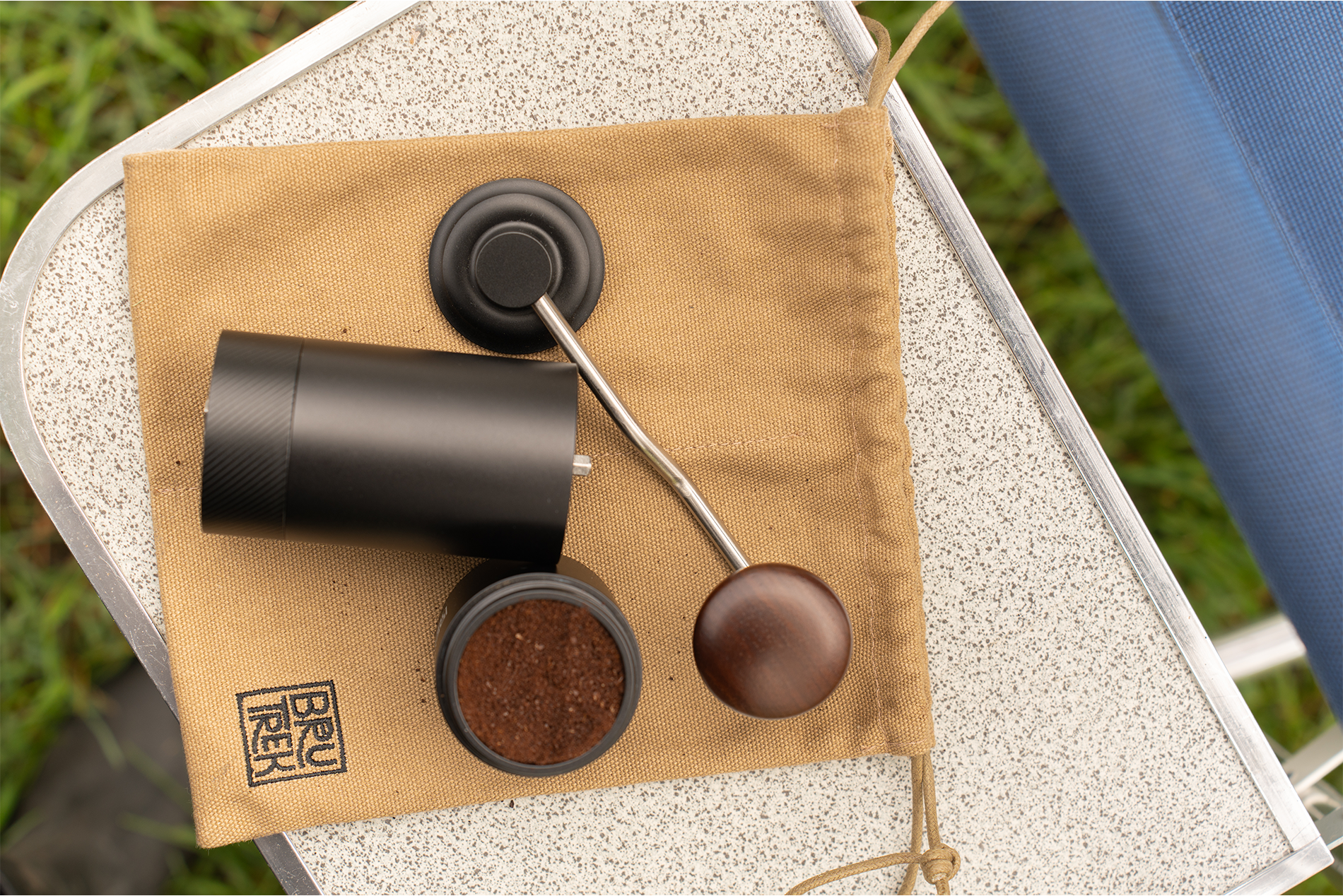
If you're brewing outdoors with the BruTrek® line, grind beans at camp using a manual burr grinder. The difference between fresh-ground backcountry coffee and pre-ground is dramatic, especially at elevation where flavor clarity matters even more.
Whole beans stay fresh weeks longer than ground coffee, but only if stored properly. Oxygen, light, heat, and moisture all degrade coffee, principles that apply equally well to bundled cannabis storage. Airtight storage in a cool, dark place preserves flavor and extends shelf life.
Our Airscape® storage canisters use a patent-protected valve system that removes air from the container after each use. You press the lid down, forcing oxygen out through a one-way valve, then lock it in place. This same technology found in our bundled tea storage keeps beans fresh during multi-day trips or between weekly grocery runs.
Store beans in their original bag inside an airtight container, or transfer them directly into the canister. Keep the container away from heat sources (not next to the stove or in direct sunlight). Room temperature in a pantry or cabinet works well.
Buy beans in quantities you'll use within two to three weeks. Roast date matters; coffee peaks seven to 14 days post-roast, then gradually declines. Grinding fresh beans from proper storage delivers better results than grinding stale beans, no matter how good your grinder is.
Grinding too far in advance is the most common error. Even 30 minutes between grinding and brewing costs you noticeable flavor. Grind right before you brew, every time.
Using inconsistent grind size creates uneven extraction. If you're using a blade grinder, you're getting a mix of powder and chunks no matter how careful you are. Upgrading to a burr grinder fixes this immediately.
Skipping grinder cleaning lets old coffee oils turn rancid and contaminate fresh batches. Brush out burrs and chambers weekly if you're grinding daily, monthly if you're a weekend brewer.
Grinding too fine for your brew method over-extracts and produces bitterness. Grinding too coarse under-extracts and tastes weak or sour. Start with recommended settings, then adjust in small increments based on taste.
Grind consistency is the single biggest factor separating good grinders from mediocre ones. High-quality burr grinders produce uniform particle size, which means even extraction and balanced flavor. Cheap grinders, especially blade models, produce a wide range of particle sizes that are extracted at different rates.
In 2026, grinder technology is entering a new phase where precise adjustment systems and data-driven support are becoming standard features. Some manufacturers are exploring AI-driven grind optimization, though the most important innovation remains burr quality and simple workflows over heavy digital interfaces.
Grinder longevity matters too, especially if you're using gear outdoors or in remote locations. We design BruTrek® brewing tools for backcountry durability because failed equipment on the trail isn't just inconvenient; it can end your coffee supply. The same principle applies to grinders: buy once, use for years.
A French press needs coarse grounds because the beans steep directly in water for 4 minutes. Fine grounds slip through the mesh filter and create a sludgy texture. Coarse grinding also slows extraction, preventing over-extraction during the long steep time.
Pour-over brewing with ethoz® or similar drippers uses medium grind. Water passes through the ground in 2 to 3 minutes, so you need a moderate surface area for proper extraction. Too fine and water pools; too coarse and it runs through too fast.
Espresso demands extra-fine grind because extraction happens in 25 to 30 seconds under high pressure. Particle size needs to be precise; small changes in grind setting produce dramatically different shot times and flavors. This is where grinder quality matters most.
Moka pot sits between drip and espresso. Grind finer than pour-over but coarser than espresso. The pressurized brewing creates a concentrated coffee, and a proper grind size prevents bitter, metallic notes while maintaining body.
Cold brew uses an extra-coarse grind because steep time runs 12 to 24 hours. Fine grounds would over-extract and turn bitter during extended contact time. Coarse grinding also makes filtering easier.
Manual burr grinders work well for backcountry use because they're lightweight, don't need power, and produce consistent results. Look for models with sealed bearings and metal construction; plastic adjustment mechanisms fail under trail conditions.
Pre-measure beans into daily portions before leaving home. This saves weight (you're not carrying a scale) and simplifies morning routine at camp. Small airtight coffee containers or resealable bags work for short trips. For longer expeditions, our Airscape® canisters keep beans fresh while protecting them from moisture and crushing in your pack.
Grind over a stuff sack or bandana to catch stray grounds; cleanup matters when you're practicing Leave No Trace. Brush out the grinder before packing to prevent oil buildup and keep moving parts clean.
The BruTrek® French press pairs well with manual grinding because both are durable, portable, and produce excellent coffee without electricity. This combination works in cabins, at campsites, or anywhere you have hot water.
You can grind coffee beans in a blender, but results will be inconsistent. Blenders chop rather than crush, creating uneven particle sizes, similar to those of blade grinders. Use pulse mode and slightly shake the container between pulses to improve uniformity. For better coffee, invest in a burr grinder instead.
Whole beans stay fresh two to three weeks after roasting when stored in an airtight container away from light and heat. Our Airscape® canisters extend freshness by removing oxygen after each use. Beans remain drinkable for months but lose aromatic complexity over time. Buy in quantities you'll use within three weeks for best flavor.
Burr grinders crush beans between two abrasive surfaces, producing uniform particle size. Blade grinders chop beans with spinning blades, creating inconsistent chunks and powder. Burr grinders cost more but deliver noticeably better flavor through even extraction. The 2026 market is 64% burr, reflecting this quality difference.
Grind size depends on brew method. French press needs coarse grounds, pour-over uses medium, and espresso requires extra-fine. Finer grinds extract faster; coarser grinds extract slower. Match grind size to your brewing time; longer contact time needs a coarser grind to prevent over-extraction.
Grind 10 to 11 grams of beans per six-ounce cup, following a 1:16 coffee-to-water ratio by weight. For a standard 12-ounce mug, use 21 grams. Adjust to taste: more coffee for a stronger brew, less for a milder one. Measuring by weight with a digital scale produces more consistent results than volume measurements.
Grinding coffee beans at home transforms your daily brew by capturing fresh aromatics and giving you control over extraction. The process is straightforward: choose a burr grinder, match grind size to your brew method, measure beans by weight, grind immediately before brewing, and store whole beans properly between sessions.
We've been refining coffee gear for backcountry use and home brewing for over 15 years, and we see grinding as the foundation of quality coffee anywhere. Pair fresh-ground beans with proper storage in Airscape® canisters and durable brewing tools like our ethoz® pour-over or BruTrek® French press, and you're set for excellent coffee whether you're in your kitchen or miles into the wilderness. Browse our complete line of patent-protected coffee solutions and start brewing better today.
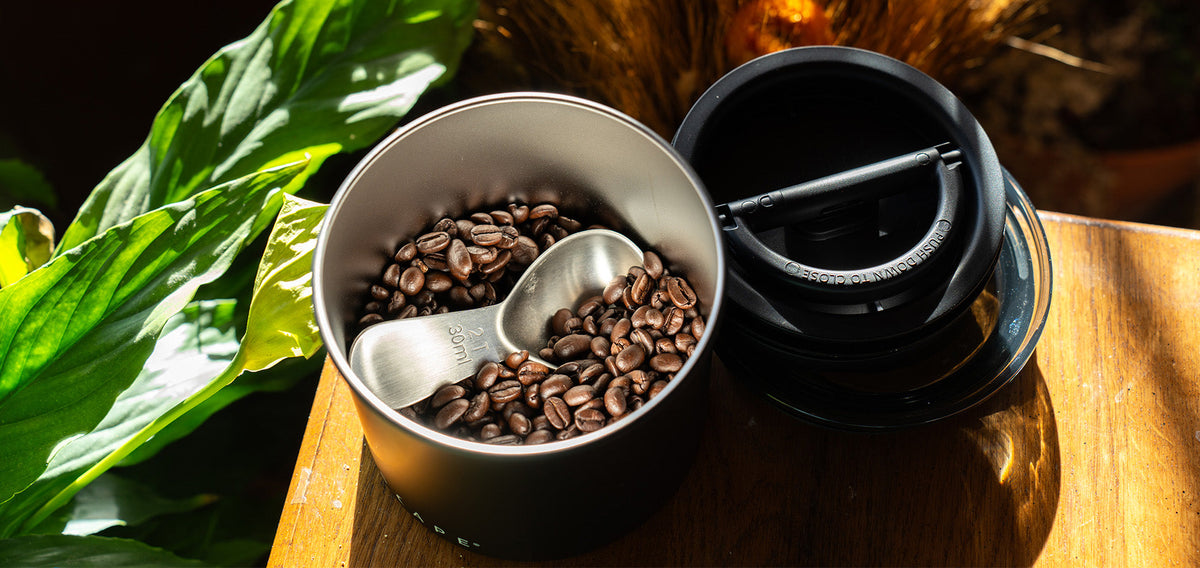
How Many Scoops of Coffee Per Cup? A Measuring Guide for Every Brewer

What Is Argon Gas Used For? How It Keeps Coffee, Wine and Pantry Goods Fresh
Can You Store Coffee and Cannabis Together? A Side-by-Side Storage Guide
Caffeine and Cannabis: What the Research Actually Says
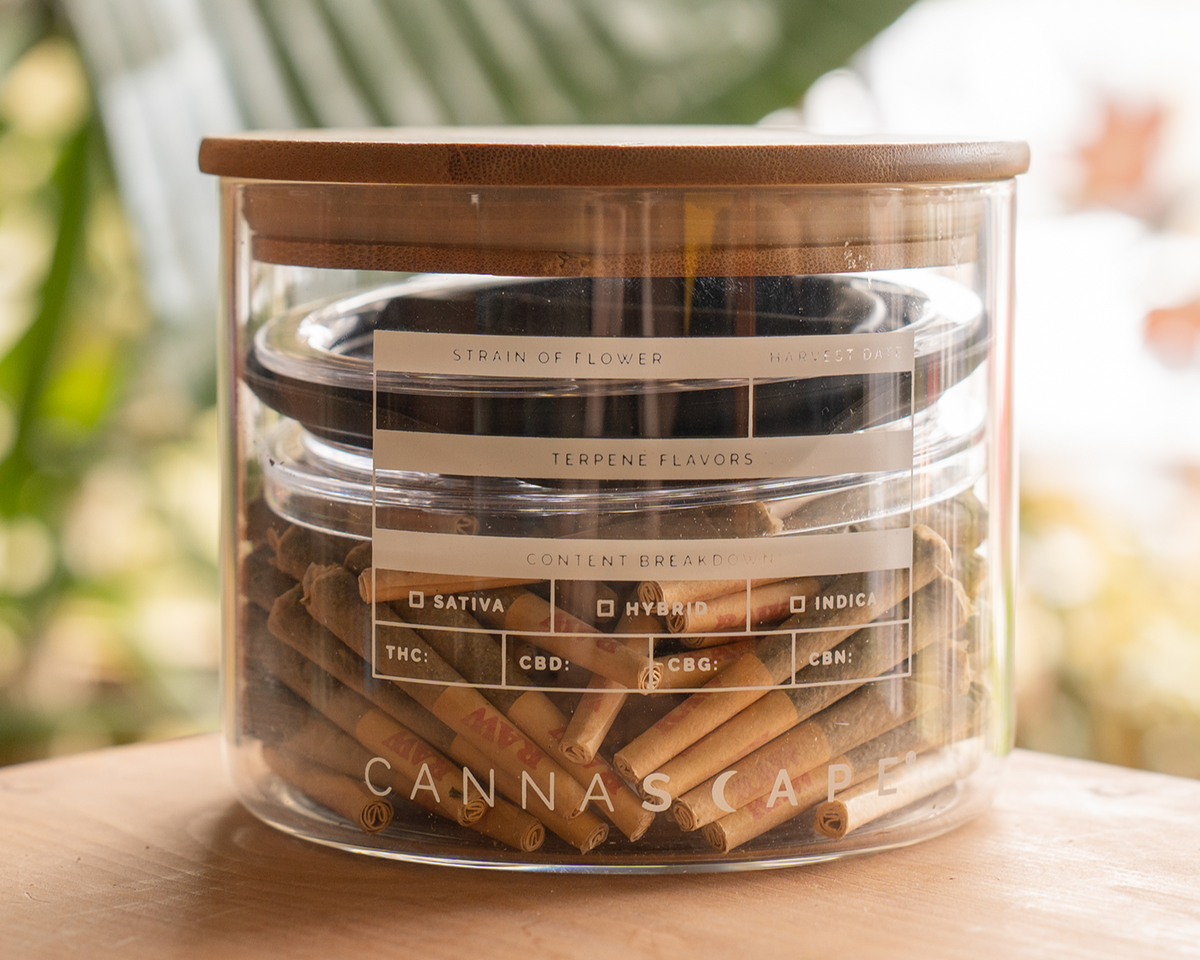
How to Store Pre-Rolls So They Don't Dry Out
Share:
Best Camping Coffee Setup: Gear for Every Adventure
Best Airtight Coffee Containers: Expert Guide for 2026