






- by Madeline Staples
Best Airtight Coffee Containers: Expert Guide for 2026
- by Madeline Staples
The best airtight coffee containers use either vacuum-seal technology or valve-based systems to remove oxygen from stored beans, with opaque stainless steel or ceramic construction to block light degradation. In 2026, vacuum-sealed canisters and patent-protected valve designs represent the premium standard for preserving coffee freshness beyond the typical two-week window of opened bags, whether at home or as part of your best camping coffee setup.
This guide is for coffee enthusiasts who've watched expensive specialty beans go stale too quickly, and anyone tired of transferring beans into containers that promise freshness but deliver disappointing results. We'll compare the mechanisms that actually work, explain why material choice matters as much as seal quality in individual containers and bundle storage solutions, and show you what to look for when the marketing claims fade.
Coffee beans begin degrading the moment roasters break the protective seal of their packaging. Oxygen triggers oxidation that breaks down the aromatic compounds and oils you're paying premium prices to enjoy. Within two weeks of opening a standard bag, beans stored in ambient air lose the complexity that distinguishes a $20 bag from a $10 one.
Light accelerates this degradation by breaking down organic compounds through photodegradation. Moisture introduces another enemy. Beans absorb ambient humidity, which dilutes flavor and can introduce off-tastes. Temperature fluctuations cause beans to expand and contract, releasing precious aromatics faster than stable storage conditions would, which is why solutions like bundled tea storage prioritize environmental protection.
An effective airtight container addresses all four enemies: oxygen, light, moisture, and temperature swings. That's why opaque, sealed containers consistently outperform clear glass jars with simple rubber gaskets. The question isn't whether you need airtight storage, it's which mechanism and materials actually deliver on the promise.
A truly airtight container creates a physical barrier that prevents gas exchange between your beans and the surrounding environment. The two proven approaches are vacuum sealing (mechanically removing air from the container) and valve-based systems (pushing air out through one-way mechanisms as you close the lid).
Vacuum-sealed containers like the Fellow Atmos use a pump-activated lid to extract air, creating negative pressure inside the canister. This approach works well for stationary kitchen storage but requires manual pumping with each opening, unlike bundled campwear storage solutions designed for portability. The seal quality depends on gasket condition and proper lid alignment. These factors contribute to gasket degradation with repeated use and cleaning.
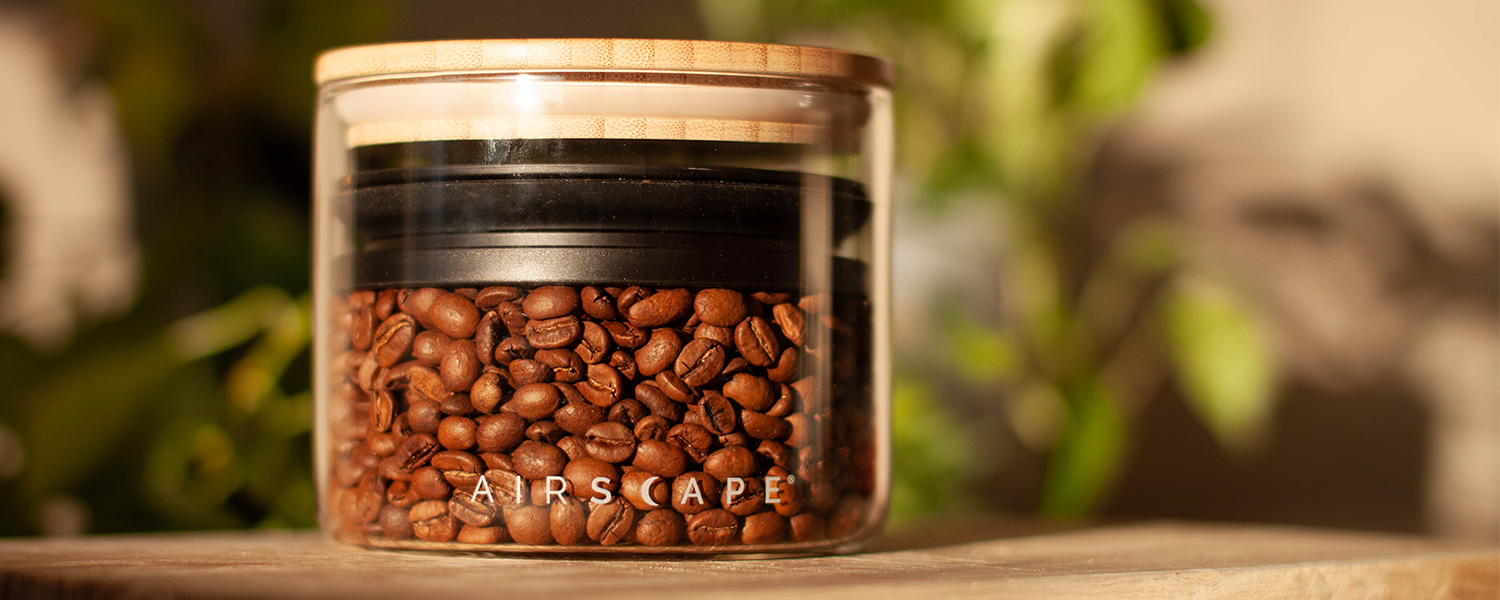
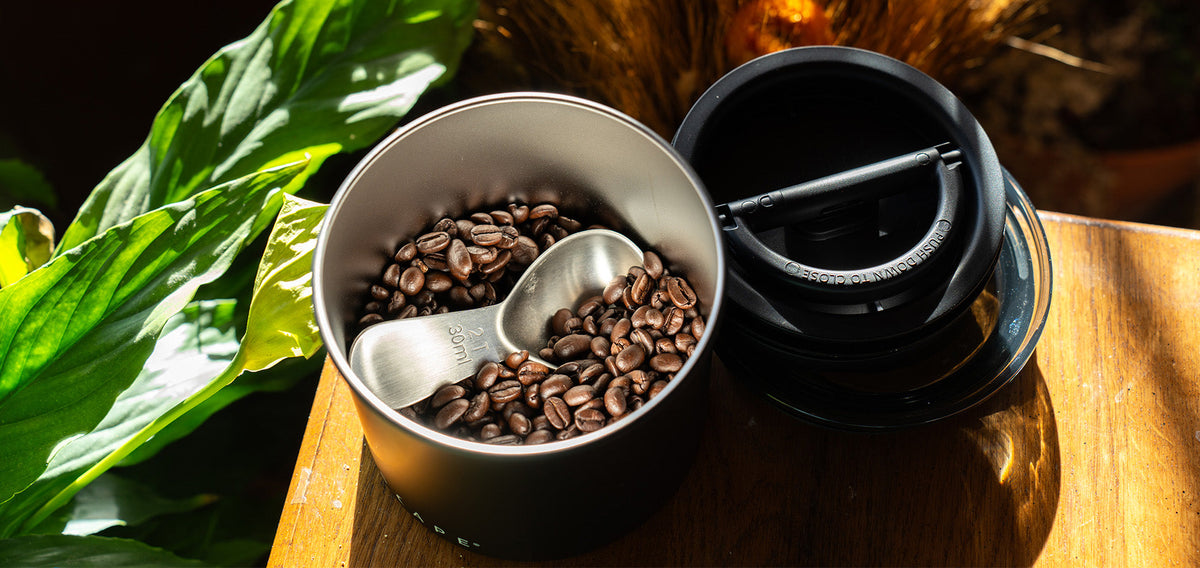
Valve-based systems like our Airscape® technology take a different approach. The patented two-lid design uses an inner plunger lid that sits directly on top of your beans, physically pushing air up and out through a one-way valve as you press down. This removes oxygen from the storage space without pumps or batteries, and works consistently whether you're storing two ounces or two pounds. The mechanism doesn't rely on gasket compression alone, so it maintains effectiveness through hundreds of open-close cycles.
Simple screw-top or flip-lock containers with rubber gaskets fall short of true airtight performance. They reduce air exchange compared to open storage, but they don't actively remove the oxygen already present when you seal the container. That trapped oxygen continues degrading your beans from day one.
Stainless steel blocks 100% of light while providing durability that outlasts glass and ceramic alternatives. Steel canisters withstand the thermal shock of moving from cold storage to warm countertops without cracking, and they survive the drops and bumps of daily kitchen use. The material is non-reactive, so it won't absorb oils or transfer flavors between different bean varieties, making it ideal for bean storage bundle sets.
Glass containers offer visibility, you can see your bean supply at a glance, but transparency works against freshness preservation. Even amber or tinted glass allows some light penetration, accelerating photodegradation. Glass also carries fragility concerns, particularly for households with children, pets, or anyone who's ever knocked a canister off a crowded counter.
Ceramic provides excellent light blocking and aesthetic appeal, but weight and fragility limit practical applications. A ceramic canister works beautifully as stationary countertop storage in a careful household. It becomes problematic for travel, camping, or active kitchens where containers get moved frequently.
Plastic construction appears in budget-friendly options, but food-grade plastic can absorb coffee oils over time, creating residual flavors that contaminate fresh beans. BPA-free plastic addresses health concerns without solving the flavor transfer issue. If you're investing in specialty coffee, plastic storage undermines the investment.
Vacuum canisters excel at creating measurable negative pressure, and you can often hear the seal break when opening them. This appeals to users who want tangible confirmation their storage is working. However, vacuum systems require active pumping with each closure, adding steps to your daily coffee routine. The pumps themselves introduce mechanical failure points, and replacement pumps or lids can be difficult to source years after purchase.
Valve-based systems like the Airscape® design require only downward pressure on the inner lid. The one-way valve automatically releases displaced air without pumps, batteries, or complex mechanisms. This simplicity translates to reliability because there are fewer components to fail, clean, or replace. The tradeoff is less dramatic feedback; you don't get the vacuum hiss, just the visual confirmation of the inner lid sitting directly on your beans.
For kitchen-only storage where you'll access beans daily, vacuum canisters work well if you don't mind the pumping ritual. For versatility across home, office, camping, and travel scenarios, valve systems offer more practical durability. Our Airscape® canisters have accompanied customers on multi-week backcountry trips where pump mechanisms would fail from altitude changes and temperature extremes.
The freshness preservation difference between properly functioning vacuum and valve systems is negligible and both remove oxygen effectively. The meaningful differences emerge in long-term reliability, ease of use, and adaptability to different environments.
Match your container size to consumption rate, not bulk-buying ambitions. A one-pound capacity suits most households brewing two to three cups daily. You'll rotate through beans within the optimal two to three week window after roasting. Larger families or multi-pot households benefit from two-pound canisters, but only if consumption justifies the volume.
Buying beans in bulk to save money backfires if half the bag goes stale before you brew it. Split large purchases between a daily-use container and a separate freezer-stored reserve in vacuum-sealed bags. This approach preserves freshness better than storing everything in one oversized canister.
Consider multiple smaller canisters over one large container if you rotate between bean varieties. Storing a light roast Ethiopian and a dark roast espresso blend in the same canister creates cross-contamination. Separate storage lets you maintain distinct flavor profiles and prevents the dark roast oils from overwhelming lighter beans.
Our Airscape® line includes sizes from half-pound (ideal for sampling new roasts or espresso-only drinkers) to two-pound canisters (suitable for households brewing multiple pots daily). The modular approach lets you scale storage to actual consumption rather than forcing compromise on a one-size-fits-all solution.
Airtight storage slows degradation of ground coffee but cannot overcome the fundamental problem: grinding multiplies surface area by several hundred times, exponentially accelerating oxidation. Whole beans stored in a quality airtight container remain fresh for three to four weeks. Ground coffee starts losing volatile aromatics within hours of grinding, even in perfect storage conditions.
If you must store ground coffee, use the smallest container that fits your immediate needs and plan to consume within one week maximum. The same oxygen-removal principles apply, vacuum or valve systems outperform simple sealed jars, but you're fighting a losing battle against surface area exposure.
The better solution is grinding beans immediately before brewing. A decent burr grinder costs less than the specialty coffee you'll waste storing pre-ground beans poorly. If convenience drives the pre-grinding decision, buy pre-ground in smaller quantities more frequently rather than bulk-buying into airtight storage.
For espresso drinkers, the freshness window tightens further. Espresso extraction amplifies both the best and worst characteristics of coffee, making stale notes immediately obvious. Store whole beans in an airtight container and grind your espresso dose within 30 seconds of pulling the shot.
|
Container Type |
Oxygen Removal Method |
Best For |
Limitations |
|---|---|---|---|
|
Airscape® Valve System |
One-way valve with plunger lid pushes air out |
Daily use, travel, camping, versatile environments |
Less dramatic feedback than vacuum pump |
|
Vacuum-Pump Canisters |
Manual pump extracts air to create negative pressure |
Stationary kitchen storage, users who want tactile confirmation |
Pump mechanisms can fail, requires effort with each closure |
|
Screw-Top with Gasket |
Compression gasket reduces air exchange |
Budget-conscious buyers, short-term storage |
Doesn't remove existing oxygen, gaskets degrade quickly |
|
Flip-Lock Glass Jars |
Wire bail and rubber gasket compression |
Aesthetic display, small quantities |
Light penetration, fragility, gasket replacement needed |
Stainless steel construction with food-grade powder coating survives the daily abuse of active kitchens. Look for 18/8 stainless steel (18% chromium, 8% nickel) which resists corrosion from coffee oils and moisture. Single-piece body construction eliminates seams where moisture can penetrate or oils can accumulate.
Lid mechanisms determine long-term reliability more than body construction. Multi-component lids with springs, pumps, or complex gasket arrangements introduce failure points. Our Airscape® two-lid system uses a simple silicone gasket on the inner plunger and a straightforward outer lid. Both components you can clean thoroughly and replace easily if needed after years of use.
Handle design matters if you'll move containers frequently. Integrated handles molded into the body provide strength without creating catch points for bags or utensils. Avoid containers with separate handle attachments that can loosen or break under repeated carrying.
For outdoor use (camping, van life, or remote cabin storage) prioritize containers designed for temperature extremes and rough handling. Glass and ceramic fail this test immediately. Vacuum pumps can malfunction at altitude or in freezing conditions. Simple, mechanical valve systems maintain function whether you're at sea level or 10,000 feet, in summer heat or winter cold.
Freshly roasted coffee releases carbon dioxide for several days after roasting, which is why commercial bags include one-way degassing valves. If you're buying beans within three to five days of roasting, trapped CO2 can build pressure in a fully sealed container. Valve-based systems like Airscape® naturally accommodate this through the one-way valve mechanism. As CO2 builds, it vents through the valve without letting oxygen back in.
Vacuum-sealed containers can struggle with fresh roasts. The CO2 release works against the vacuum seal, potentially breaking the seal or requiring you to re-pump multiple times in the first week. Some vacuum canisters include secondary vents to address this, adding complexity to the design.
The practical solution is simple: let ultra-fresh beans (roasted within 48 hours) rest in their original degassing bag for two to three days before transferring to airtight storage. This allows the initial CO2 burst to dissipate while the beans reach optimal flavor development. Most specialty roasters recommend a three to five day rest period anyway before brewing.
If you're roasting your own beans, plan your storage accordingly. Transfer to airtight containers after the initial degassing period, not immediately post-roast. This applies whether you're using valve systems, vacuum canisters, or any other airtight approach.
Coffee oils build up on container walls over time, creating a rancid film that contaminates fresh beans. Clean your storage containers every two to three weeks, or whenever you notice visible residue. Stainless steel and ceramic tolerate hot water and mild dish soap without degrading. Avoid abrasive scrubbers that can scratch surfaces and create microscopic harbors for oil accumulation.
Remove all gaskets and seals before washing. Coffee oils penetrate silicone and rubber gaskets, creating off-flavors if not cleaned separately. Hand wash gaskets with dish soap, rinse thoroughly, and air dry completely before reassembling. Replace gaskets annually or when you notice compression loss. A degraded gasket compromises the entire airtight system.
Glass containers show oil buildup clearly, which helps with cleaning timing but requires more frequent washing to maintain appearance. Plastic containers absorb oils into the material itself, making thorough cleaning nearly impossible after months of use. This is another reason we specify stainless steel for the Airscape® line. The non-porous surface releases oils with simple soap and water.
Never put containers away damp. Residual moisture creates an environment for mold growth and introduces the exact humidity you're trying to keep away from your beans. Air dry all components completely, or dry with a clean lint-free towel before reassembly and refilling.
Store coffee at room temperature in an airtight container for daily use, especially if you're grinding coffee beans at home regularly. Refrigeration introduces moisture through condensation every time you open the container in a warm kitchen. Freezer storage works for long-term preservation of unopened, vacuum-sealed bags, but requires letting beans return to room temperature before opening to prevent condensation damage. Never freeze and thaw repeatedly.
Whole beans maintain peak flavor for three to four weeks in a quality airtight container that removes oxygen. Simple sealed containers extend this to two to three weeks compared to one to two weeks in an opened original bag. Ground coffee degrades within one week regardless of storage method due to increased surface area exposure.
Avoid mixing different beans in one container. Coffee oils from darker roasts will transfer flavors to lighter beans, and distinct origin characteristics will muddle together. Use separate containers for each variety, or clean containers thoroughly between different beans if you must reuse the same canister.
Replace gaskets annually or when you notice the seal isn't as tight as when new. Silicone gaskets compress and degrade over time, especially with frequent washing and exposure to coffee oils. A compromised gasket defeats the purpose of airtight storage. Quality containers like our Airscape® line use standard gasket sizes you can replace easily.
Coffee-specific canisters prioritize oxygen removal and light blocking over general food storage needs. Standard food containers focus on preventing spills and keeping moisture out, but they don't address the oxidation that degrades coffee. Coffee canisters also avoid materials like plastic that can absorb and transfer flavors. This is a non-issue for storing rice or pasta but critical for preserving coffee's volatile aromatics.
The best airtight coffee container removes oxygen through vacuum or valve mechanisms, blocks light with opaque construction, and uses materials that won't absorb oils or transfer flavors. For most coffee drinkers, this means stainless steel bodies with either pump-based vacuum systems for stationary kitchen use or valve-based designs for versatility across home, travel, and outdoor environments.
We've spent 15 years refining the Airscape® valve system because we saw too many customers struggling with containers that promised freshness but delivered compromises. Our patent-protected two-lid design pushes air out mechanically, works at any altitude or temperature, and maintains seal integrity through hundreds of uses without pumps to fail or complex gaskets to replace. Whether you're storing beans at base camp or in a Montana cabin, the mechanism works the same way every time.
Your coffee deserves storage that preserves what you paid for. Explore our Airscape® collection to find the capacity and finish that fits your kitchen, or contact our team with questions about matching storage to your specific brewing routine and environment.
How Many Scoops of Coffee Per Cup? A Measuring Guide for Every Brewer

What Is Argon Gas Used For? How It Keeps Coffee, Wine and Pantry Goods Fresh
Can You Store Coffee and Cannabis Together? A Side-by-Side Storage Guide
Caffeine and Cannabis: What the Research Actually Says
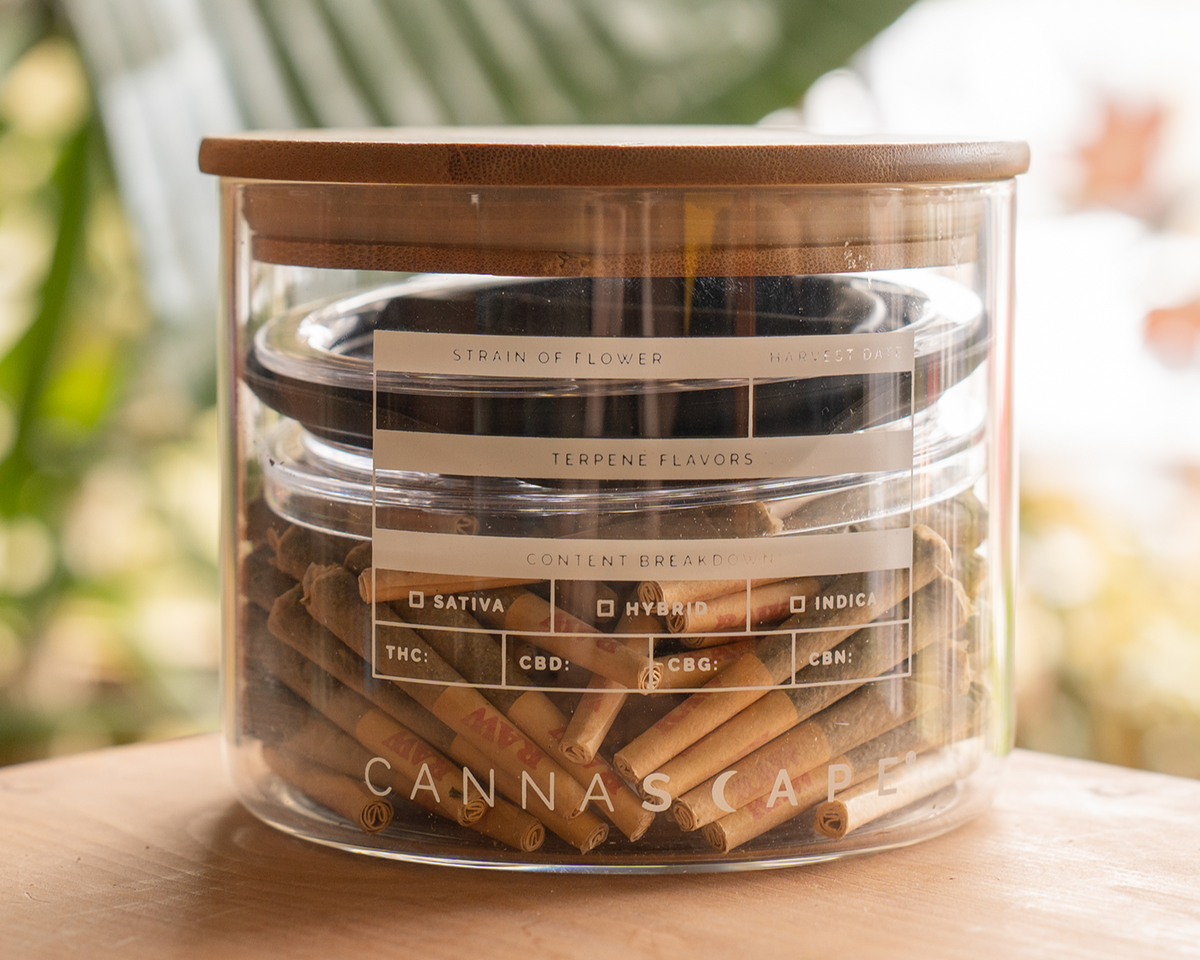
How to Store Pre-Rolls So They Don't Dry Out
Share:
How to Grind Coffee Beans at Home: A Complete Guide
Coffee Grind Size Chart: Match Your Brew Method Perfectly