





- by Natalie Adams
How Long Does Loose Leaf Tea Last? Storage Guide 2026
- by Natalie Adams
Loose leaf tea doesn't expire in a safety sense, but it does lose freshness, aroma, and flavor over time. Most loose leaf teas maintain peak quality for 6 to 24 months when stored properly, with green teas on the shorter end and black teas lasting longer.
This guide is for tea enthusiasts who want to preserve the quality of their loose leaf collection, whether you're brewing at home or packing tea for backcountry adventures. We'll cover how long different tea types last, what affects shelf life, and how proper tea storage keeps your tea tasting fresh.
Shelf life ranges for green, black, white, oolong, and herbal teas
Storage factors that accelerate or prevent flavor loss
How to tell when tea has gone stale
Best practices for maintaining aroma and taste
Five environmental factors directly affect how long your loose-leaf tea retains its flavor: moisture, air exposure, light, heat, and surrounding odors. Tea leaves are hygroscopic, meaning they absorb moisture from the air, which can lead to mold growth and accelerated degradation of the compounds that create aroma and taste.
Air exposure causes oxidation, the same process that turns a cut apple brown. When tea leaves oxidize beyond their intended processing level, they lose the volatile oils that carry flavor and aroma. Light breaks down these delicate compounds even faster, which is why tea stored in glass tea canisters should be kept away from sunny countertops to prevent going stale quickly.
Heat speeds up all chemical reactions, including the breakdown of flavor compounds. A pantry that reaches 80°F in summer will age your tea faster than a cool, dark cupboard. Strong odors from spices, coffee, or other foods can also permeate tea leaves, altering their intended flavor profile.
The date printed on tea packaging is typically a sell-by or freshness indicator rather than a safety expiration date. As of 2026, most tea brands mark their products with freshness windows of 18 to 24 months from the date of packing, but the tea remains safe to drink after that date—it just won't taste as good.
Green tea maintains peak flavor for 6 to 12 months after opening, making it the most delicate type of loose leaf tea. Japanese green teas like sencha and matcha are particularly short-lived, with some sources recommending consumption within 3 to 6 months for optimal freshness.
Green tea undergoes minimal oxidation during processing, which preserves its bright, grassy flavor but also makes it more vulnerable to staleness. The same light processing that creates green tea's delicate character means it has fewer stable compounds to protect it from degradation over time.
Matcha powder has an even shorter shelf life than whole leaf green tea because grinding exposes more surface area to air and light. Unopened matcha can last up to 12 months in a cool, dark place, but once opened, you'll notice the vibrant green color and fresh aroma fading within a few months.
Store green tea in airtight containers to keep it away from light and heat. If you buy green tea in bulk, consider portioning it into smaller containers, so you're not repeatedly exposing your entire supply to air every time you brew a cup.
Black tea stays fresh for 1 to 3 years when stored properly, significantly longer than green tea. The full oxidation process that creates black tea's strong flavor also produces more stable compounds that resist breakdown over time.
The longer shelf life makes black tea ideal for stocking up or taking on extended trips where you can't control storage conditions as precisely. You'll still notice gradual flavor loss after the first year, but black tea degrades much more slowly than its less-oxidized counterparts.
Different black tea styles age at different rates. Delicate first flush Darjeelings lose their floral notes faster than malty Assams or bold Ceylon teas. Broken leaf grades and fannings stale more quickly than whole leaf teas because the smaller pieces have more surface area exposed to air.
Even within the 1- to 3-year window, black tea tastes best in the first 12 to 18 months. After that, you'll still have a perfectly drinkable cup, but the nuanced flavors that distinguish premium teas from everyday blends start to flatten.
White tea typically maintains quality for 6 months to 2 years, falling between green and black tea in longevity. Minimal processing preserves delicate flavors but also leaves white tea vulnerable to staleness, as with green tea.
High-quality white teas like Silver Needle can develop more complex flavors with age if stored carefully, similar to aged pu-erh. However, this aging requires precise humidity control and isn't something most home tea drinkers can replicate successfully. For practical purposes, plan to drink white tea within a year of purchase.
Oolong tea lasts 6 months to 2 years depending on oxidation level. Lightly oxidized oolongs that lean closer to green tea in character (like Tie Guan Yin) should be consumed within 6 to 12 months. Darker, more heavily oxidized oolongs (like Da Hong Pao) can last closer to 2 years.
The wide range in oolong processing creates corresponding variety in shelf life. When buying oolong, ask about oxidation level if you're planning to store it for more than a few months. Darker oolongs give you more flexibility for longer storage.
Herbal tea blends typically stay fresh for 6 to 18 months, though this varies widely based on ingredients. Dried flowers and delicate herbs lose aroma faster than woody or root-based ingredients like cinnamon or ginger.
Chamomile, peppermint, and other floral or leafy herbs are best consumed within 6 to 12 months. Spice-heavy blends with cinnamon, cloves, or cardamom can last closer to 18 months because these ingredients contain more stable essential oils. Check your herbal blend for the most delicate ingredient and use that as your freshness guideline.
Pu-erh tea is the major exception to standard tea shelf life rules. This fermented tea can improve with age and be kept for years, even decades, when stored properly. Both raw (sheng) and ripe (shou) pu-erh develop more complex, mellower flavors over time.
Aging pu-erh requires consistent temperature, moderate humidity (60-70%), and good air circulation. Most tea drinkers don't have the setup for proper aging, but pu-erh remains drinkable and enjoyable for many years even in ordinary storage conditions. It won't develop the same complexity as professionally aged tea, but it won't go stale like other types of tea.
Stale tea loses its aroma first, then its flavor complexity. When you open a container of fresh tea, you should immediately smell its characteristic scent—grassy and bright for green tea, malty and strong for black tea. If you have to put your nose right up to the leaves to detect any aroma, the tea has lost significant freshness.
The brewed flavor of stale tea tastes flat, one-dimensional, or slightly musty. You'll still get the basic tea taste and caffeine, but the nuanced flavors that make each tea unique fade away. A stale Darjeeling tastes generic rather than floral and bright. A stale oolong loses its fruity or creamy notes.
Visual changes can also indicate staleness. Green tea may shift from vibrant green to dull olive or brown. Black tea might look dusty or develop a grayish cast. These color changes reflect the breakdown of chlorophyll and other compounds that contribute to flavor.
Stale tea isn't unsafe to drink unless it's developed mold, which appears as fuzzy spots or a musty, damp smell. If your tea smells moldy rather than simply weak or flat, discard it. Mold means the tea was exposed to too much moisture and is no longer safe to consume.
Store loose leaf tea in an airtight container in a cool, dark, dry location. This simple practice addresses all five factors that accelerate staleness: it blocks air and moisture, prevents light exposure, maintains stable temperature, and protects against odor absorption.
The container material matters. Opaque containers protect better than clear glass, which allows light penetration. Metal tins work well if they have tight-fitting lids. Ceramic containers with rubber-sealed lids provide excellent protection. At Planetary Design, we've spent 15 years developing patent-protected storage solutions for coffee, and the same principles apply to tea: removing air is the key to preserving freshness.
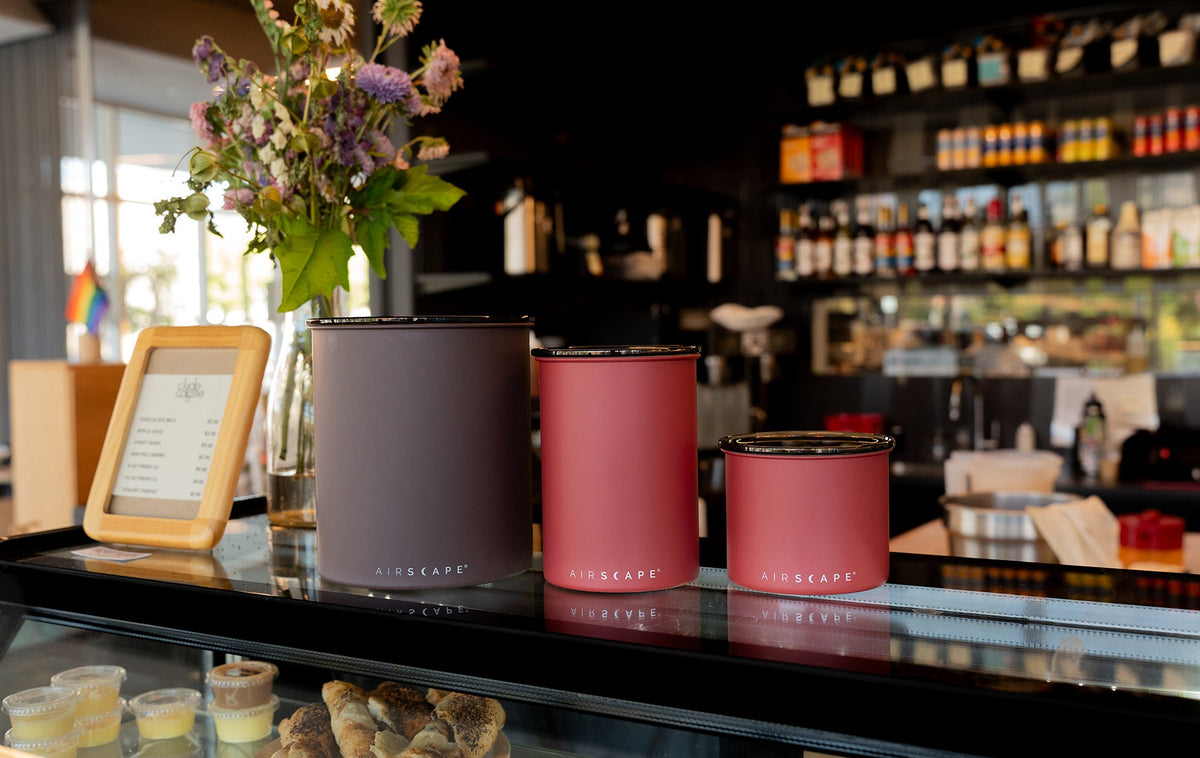
Our Airscape® storage containers use a patented valve system that pushes air out and locks freshness in. Originally designed for coffee beans, the Airscape® works equally well for loose leaf tea, protecting delicate flavors during multi-day trips or months of home storage. The inner lid forces air out as you press down, then seals to prevent new air from entering.
Avoid storing tea in the refrigerator or freezer unless you're dealing with matcha powder for extended storage. Temperature fluctuations when removing and returning tea to cold storage cause condensation, which introduces moisture. If you refrigerate matcha, let the sealed container reach room temperature before opening to prevent condensation inside.
Keep tea away from the stove, dishwasher, or any heat source. That convenient cabinet above your coffee maker might seem like the perfect spot, but the heat and humidity from brewing will age your tea faster. Choose a location that stays consistently cool and dry year-round.
Container size directly affects how much air remains in contact with your tea. A half-full container means your tea sits in a pocket of air that slowly degrades flavor compounds. As you use tea from a large container, the air-to-tea ratio worsens.
Portion loose leaf tea into smaller containers as you work through your supply. If you buy 8 ounces of tea, store 2 ounces in your daily-use container and keep the rest sealed in a separate container. This is the best way to store loose leaf tea, ensuring you're only exposing a small amount to repeated air exposure.
The Airscape® valve system solves this problem by adjusting to the remaining tea in your supply. As the tea level drops, you simply press the inner lid down to force out excess air, maintaining an airtight seal regardless of how much tea remains. This makes it practical to store larger quantities without sacrificing freshness.
For travel or backcountry use, smaller is better. Pack only what you'll use on your trip in a compact, airtight container. Our BruTrek® line includes adventure-ready storage solutions designed for durability in outdoor conditions, keeping your tea fresh whether you're car camping or trekking remote trails.
Check your tea's aroma every few weeks. Open the container and note whether the scent is still strong and characteristic. If you notice the aroma weakening, your storage method isn't providing adequate protection.
Compare freshly opened tea to tea you've had stored for a month. Brew both side by side and taste them. If you detect a significant difference in flavor intensity or complexity, your storage container isn't sealing properly, or your storage location experiences excessive temperature fluctuations.
Look for physical changes in the tea leaves. They should maintain their original color and texture. If green tea is browning or black tea is developing a dusty appearance, something in your storage environment is accelerating degradation.
Moisture is the most critical factor to monitor. If you see any condensation inside your container or the tea leaves feel damp or clump together, you have a moisture problem. This can happen if you store tea in a humid location or if your container doesn't seal properly. Address moisture issues immediately to prevent mold growth.
Buying in bulk makes sense for black tea, oolong, and pu-erh that you drink regularly. These teas maintain quality for 1 to 2 years, giving you plenty of time to work through a larger quantity while enjoying the cost savings.
Avoid buying green tea or delicate white tea in bulk unless you drink it daily. The 6- to 12-month freshness window means you need to consume it relatively quickly. Buy green tea in 2- to 4-ounce quantities that you'll finish within a few months.
For herbal tea blends, check the ingredients before buying in bulk. Spice-heavy blends with long shelf lives are good candidates for bulk. Floral or leafy herb blends that stale quickly should be purchased in smaller amounts.
When you do buy in bulk, immediately portion the tea into smaller containers. Don't leave it all in one large container where you'll repeatedly expose the entire supply to air. This single step significantly extends the usable life of bulk tea purchases.
Tea bags generally have a shorter shelf life than loose leaf tea because the leaves are broken into smaller pieces, exposing more surface area to air and accelerating oxidation. Most tea bags maintain acceptable quality for 6 to 12 months.
The paper or fabric bag material provides minimal protection against air, light, and moisture compared to a proper airtight container. Even if tea bags come in a box, that box isn't airtight. For best results, transfer the entire box of tea bags into an airtight container.
Individual foil-wrapped tea bags last longer than unwrapped bags in a box because each bag is protected until you're ready to use it. However, this packaging creates more waste and still doesn't match the freshness protection of loose leaf tea in an airtight container.
Loose-leaf tea gives you more control over freshness and typically offers better flavor because it consists of whole or large-leaf pieces rather than the fannings and dust commonly used in tea bags. The initial investment in proper storage pays off in better-tasting tea that lasts longer.
Vacuum sealing extends tea shelf life by removing air before storage. If you buy tea in bulk or want to store it for extended periods, vacuum seal it in small portions. Each sealed portion stays fresh until you open it, even if that's a year or more down the road.
Oxygen absorber packets work similarly to vacuum sealing by removing oxygen from sealed containers. Place an oxygen absorber in your tea container, seal it tightly, and the packet will absorb residual oxygen. Replace the packet each time you open the container.
Freezing works for matcha powder if done correctly. Seal matcha in an airtight container, then place it in the freezer; remove it only when you're ready to use it. Let the sealed container warm to room temperature before opening to prevent condensation. This method can extend matcha's vibrant color and fresh flavor for up to a year.
These preservation methods require more effort and equipment than standard airtight storage. For most tea drinkers, simply using a quality airtight container and buying tea in quantities you'll consume within the standard freshness window is more practical than elaborate preservation techniques.
Brewed iced tea lasts 3 to 5 days in the refrigerator when stored in a sealed container. The cold temperature slows bacterial growth, but brewed tea still degrades relatively quickly compared to dry leaves.
Don't add ice directly to your storage container. As ice melts, it dilutes the tea and introduces water that can harbor bacteria. Instead, store concentrated brewed tea and add ice when serving.
For camping or day trips, brew tea the night before and store it in an insulated container. Our BruTrek® insulated drinkware keeps cold drinks cold for hours, letting you enjoy iced tea on the trail without the bulk of a cooler.
If your iced tea develops an off-smell, a cloudy appearance, or an unusual taste, discard it. These are signs of bacterial growth. When in doubt, brew a fresh batch rather than risk drinking tea that's been stored too long.
No, loose leaf tea should be stored at room temperature in an airtight container in a cool, dark place. Refrigeration causes condensation when you remove and return the tea, introducing moisture that can lead to mold. The only exception is matcha powder, which can be frozen for long-term storage if properly sealed.
Yes, tea past its best-by date is safe to drink but may taste flat or stale. The date on tea packaging indicates peak freshness, not food safety. As long as the tea shows no signs of mold and still has some aroma, it's safe to brew. You'll just notice diminished flavor compared to fresh tea.
Check for loss of aroma, dull or changed color in the leaves, and flat or musty flavor when brewed. If you see fuzzy mold growth or smell a damp, moldy odor, discard the tea immediately. Properly stored tea rarely develops mold, but any tea exposed to excess moisture can become unsafe to drink.
An opaque, airtight container made of metal, ceramic, or opaque plastic works best. The container should block light, seal tightly to prevent air exposure, and be stored in a cool, dry location. Airscape® containers with patent-protected valve systems provide superior protection by actively removing air from the storage space.
No, green tea has a shorter shelf life than black tea. Green tea maintains peak flavor for 6 to 12 months, while black tea lasts 1 to 3 years. The minimal oxidation that creates green tea's delicate flavor also makes it more prone to staleness than fully oxidized black tea.
Loose leaf tea delivers better flavor than tea bags, but only if you store it properly. Green teas need to be consumed within 6 to 12 months; black teas last 1 to 3 years. Proper storage in airtight containers for loose-leaf tea protects against moisture, air, light, heat, and odors that accelerate staleness.
Whether you're brewing at home or packing tea for backcountry adventures, the right storage solution preserves the aroma and flavor you paid for. Our Airscape® patent-protected valve system removes air and locks in freshness, and our BruTrek® adventure gear keeps your tea at the right temperature on the trail. Explore our storage solutions and adventure drinkware designed for tea and coffee enthusiasts who refuse to compromise quality anywhere they brew.
Caffeine and Cannabis: What the Research Actually Says
How to Store Pre-Rolls So They Don't Dry Out
How to Store Dry Dog Food: Keep Kibble Fresh to the Last Scoop
Sustainable Food Storage Containers That Actually Work
Glass vs Plastic Storage Containers: Which Is Right for You?
Share:
Meet the Airscape® Bucket Lid Insert: The Ultimate Solution for Bulk Storage
Best Way to Store Loose Leaf Tea: Keep Flavor Fresh Longer